
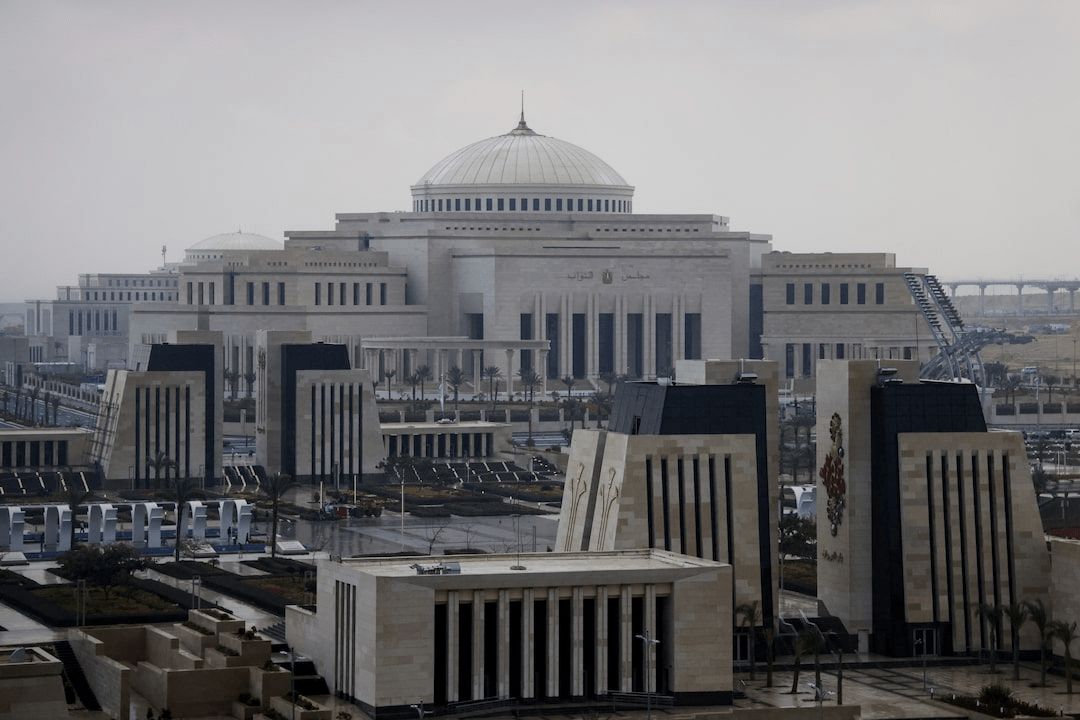
Egypt’s parliament has given the green light to a major cabinet reshuffle proposed by President Abdel Fattah el-Sisi, overhauling key economic posts as the country wrestles with mounting financial pressures.
The House of Representatives approved the changes on Tuesday, ushering 13 new ministers into the government. Among the appointments are officials for housing, higher education, planning, investment, and foreign trade. A new position, deputy prime minister for economic affairs, has also been introduced, according to local media reports.
Despite the changes, crucial portfolios such as defence and foreign affairs remain untouched, reflecting the administration’s desire for continuity in security and diplomacy.
The new lineup places a clear emphasis on economic and technical expertise. Ahmed Rostom, formerly a senior economist at the World Bank, steps into the planning ministry, while Mohamed Farid Saleh, head of the Financial Regulatory Authority, assumes the Ministry of Investment. Analysts suggest these choices signal a deliberate effort to reassure investors and strengthen fiscal management.
The State Ministry of Information, which had been dissolved in 2021, is being reinstated, with Diaa Rashwan, chairman of the State Information Service, taking the helm. Observers say this may help the government communicate policy changes more effectively amid economic turbulence.
Read also: Secret Ethiopian Camp Training Sudan RSF Forces – Sources
Two women join the cabinet: Randa al-Menshawi now leads Housing, and Gihane Zaki heads Culture. Their inclusion, though limited, marks a modest step toward broader gender representation in high-level government posts.
Egypt’s economy has endured persistent strains. Austerity measures linked to a 2016 International Monetary Fund programme, the fallout from COVID-19, and disruptions from Russia’s war in Ukraine have all weighed heavily on public finances. Recent unrest in Gaza has compounded regional uncertainty, while attacks on shipping routes in the Red Sea by Houthi forces have diverted cargo away from the Suez Canal, cutting vital revenue from one of the country’s main foreign currency sources.
The new cabinet is expected to be sworn in on Wednesday, according to state media. Officials indicate that priorities will focus on economic stabilization, infrastructure development, and the strengthening of investment frameworks.
The reshuffle comes at a delicate moment. Rising prices, currency volatility, and unemployment have fueled public discontent, and the government appears to be responding by placing ministers with specialized experience in charge of key economic levers.
Observers note that Rostom’s World Bank background may facilitate engagement with international institutions, while Saleh’s experience in financial regulation could help maintain market confidence. Restoring the State Ministry of Information, led by Rashwan, is seen as a move to improve messaging on reforms, projects, and social programmes.
While security and foreign policy roles remain unchanged, the administration is striking a balance between continuity and reform. Political stability, particularly in areas tied to national security, seems to be a key concern alongside economic recovery.
Read also: Gaza Casualties Increase, Ministry Releases Latest Update
Economic analysts have highlighted immediate challenges for the new ministers. Inflation continues to erode household incomes, and the Egyptian pound remains under periodic pressure. Balancing trade agreements, foreign investment, and domestic demands for affordable housing and education will test the cabinet’s capacity for coordinated action.
International scrutiny is likely to intensify. Observers will watch whether the new lineup can deliver tangible results on the IMF programme, attract investment, and stabilize Egypt’s macroeconomic environment. The newly created deputy prime minister for economic affairs will coordinate policies across ministries to ensure coherence in the government’s approach.
Regional developments add further complexity. Conflicts in Gaza and the Red Sea shipping threats persist, potentially affecting trade, energy imports, and tourism. How the new ministers navigate these external pressures alongside domestic reforms will shape their early tenure.
Experts caution that while the appointments may inspire confidence, genuine progress depends on the government’s ability to implement structural reforms, enforce fiscal discipline, and maintain transparency amid volatile conditions.