
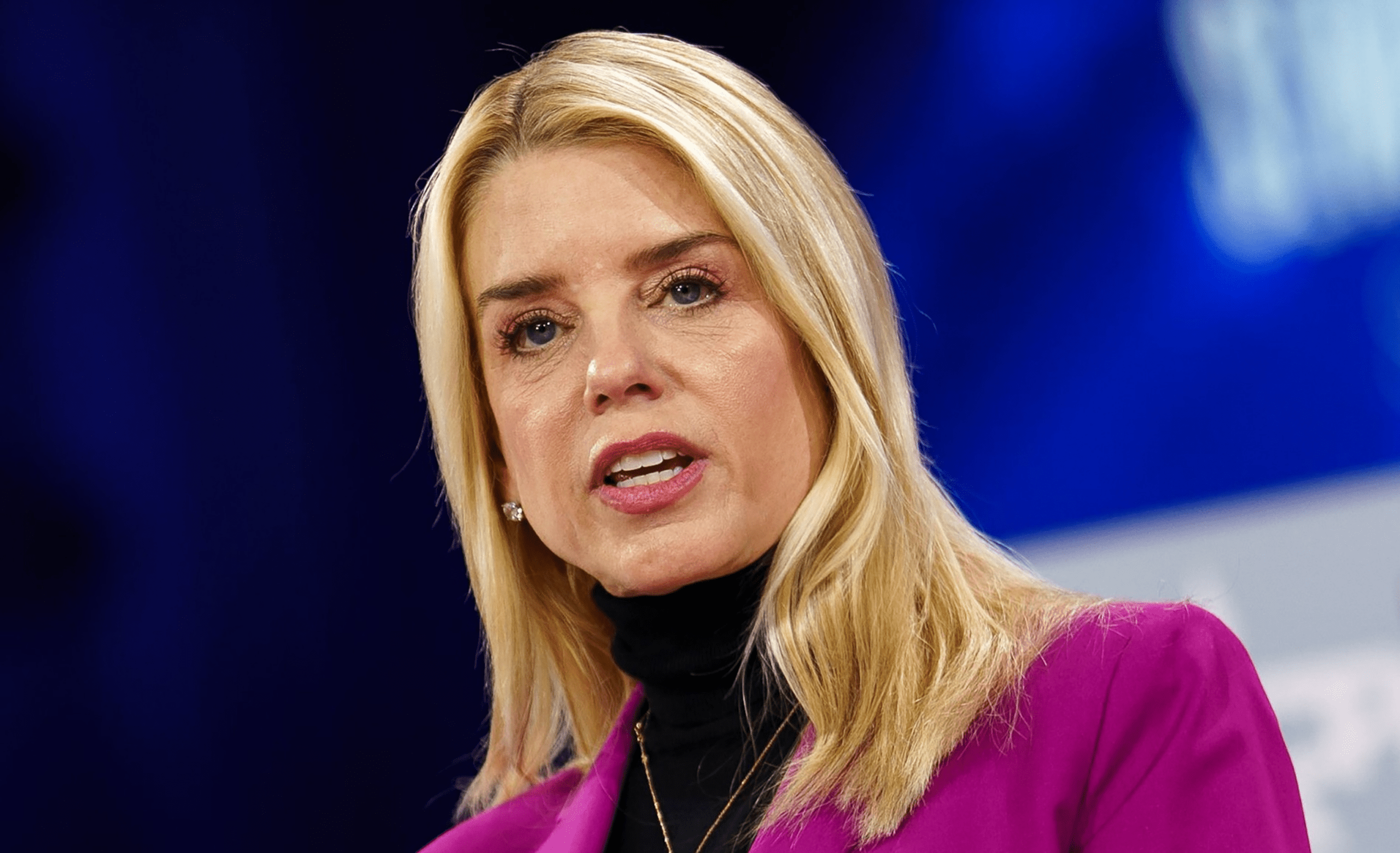
A Republican member of the U.S. House of Representatives on Wednesday accused Attorney General Pam Bondi of concealing the names of prominent associates of late financier and convicted sex offender Jeffrey Epstein during a contentious oversight hearing on the Justice Department’s handling of investigative records.
Representative Thomas Massie of Kentucky questioned Bondi during a House Judiciary Committee session focused on the department’s release of files related to the federal sex trafficking investigation into Epstein. Massie said the department had committed a “massive failure” to comply with a law passed by Congress requiring broad disclosure of the material.
Massie displayed a Federal Bureau of Investigation document listing potential co conspirators and asked why the name of businessman Leslie Wexner appeared redacted. He said the redaction suggested the department was shielding individuals with influence.
Bondi said Wexner’s name appeared in other documents already released and that the department removed the redaction shortly after it was identified. “We unredacted his name on the document within 40 minutes,” she said.
“Forty minutes of me catching you red handed,” Massie replied.
The hearing featured repeated disputes between lawmakers and the attorney general over the scope of the disclosures. Members of both parties questioned the volume of redactions and the department’s decision to withhold additional records citing legal privilege and privacy protections. Several people identified as victims of Epstein’s alleged crimes attended the hearing from the public gallery.
Late last month the Justice Department released what it described as a final tranche of more than 3 million pages of investigative material. The records renewed scrutiny of business, political and social figures who maintained contact with Epstein after his 2008 conviction in Florida for soliciting prostitution from a minor.
Read also: Bondi Beach Attack Memorial Marks Week Since Shooting
Lawmakers said some redactions appeared broader than the exemptions allowed under legislation Congress approved nearly unanimously in November to mandate publication of the files. The department has said certain information must remain confidential to protect victims’ identities and comply with legal restrictions governing grand jury material and sealed records.
Bondi told the committee more than 500 department lawyers worked on a compressed timeline to review the documents before release. She said any disclosure of victims’ identities was inadvertent. “I have spent my entire career fighting for victims, and I will continue to do so,” she said in her opening statement.
The hearing at times turned personal. Bondi criticized Democratic lawmakers, accusing them of indifference toward crime victims in their districts and referring to the committee’s top Democrat as a “washed up lawyer.”
Democratic Representative Pramila Jayapal of Washington asked Bondi to apologize to victims for the rollout of the files, including instances in which names were disclosed. Bondi declined and said she would not “get in the gutter for her theatrics.”
Wexner, the founder and former chief executive of L Brands, the parent company of the Victoria’s Secret retail chain, employed Epstein as a personal financial manager beginning in the 1980s. Wexner has said Epstein misappropriated his money to purchase property and goods and that he severed ties around 2007 after Epstein faced criminal charges. Wexner has denied knowledge of Epstein’s criminal activity and has not been accused of wrongdoing.
Epstein, who was arrested in 2019 on federal sex trafficking charges involving underage girls, died in a Manhattan jail cell while awaiting trial. Authorities ruled the death a suicide. His case prompted multiple civil lawsuits and investigations into associates and institutions connected to him.
Read further: Bondi Beach Hero Ahmed al Ahmed Recounts Disarming Gunman
The Justice Department’s approach to releasing the records has drawn political scrutiny during Bondi’s tenure as attorney general. Last year the department initially declined to release additional material, prompting criticism from some supporters of President Donald Trump and renewed attention to Trump’s past social contact with Epstein. Trump has said he broke off relations years before Epstein’s later criminal charges.
Bondi’s testimony came one day after a federal grand jury declined to indict six Democratic lawmakers over a video they produced urging members of the U.S. military not to follow unlawful orders, according to court records.
The committee said it may request additional documentation and could schedule further oversight sessions as lawmakers continue reviewing the released material and considering whether legislative changes are needed to govern future disclosures.