
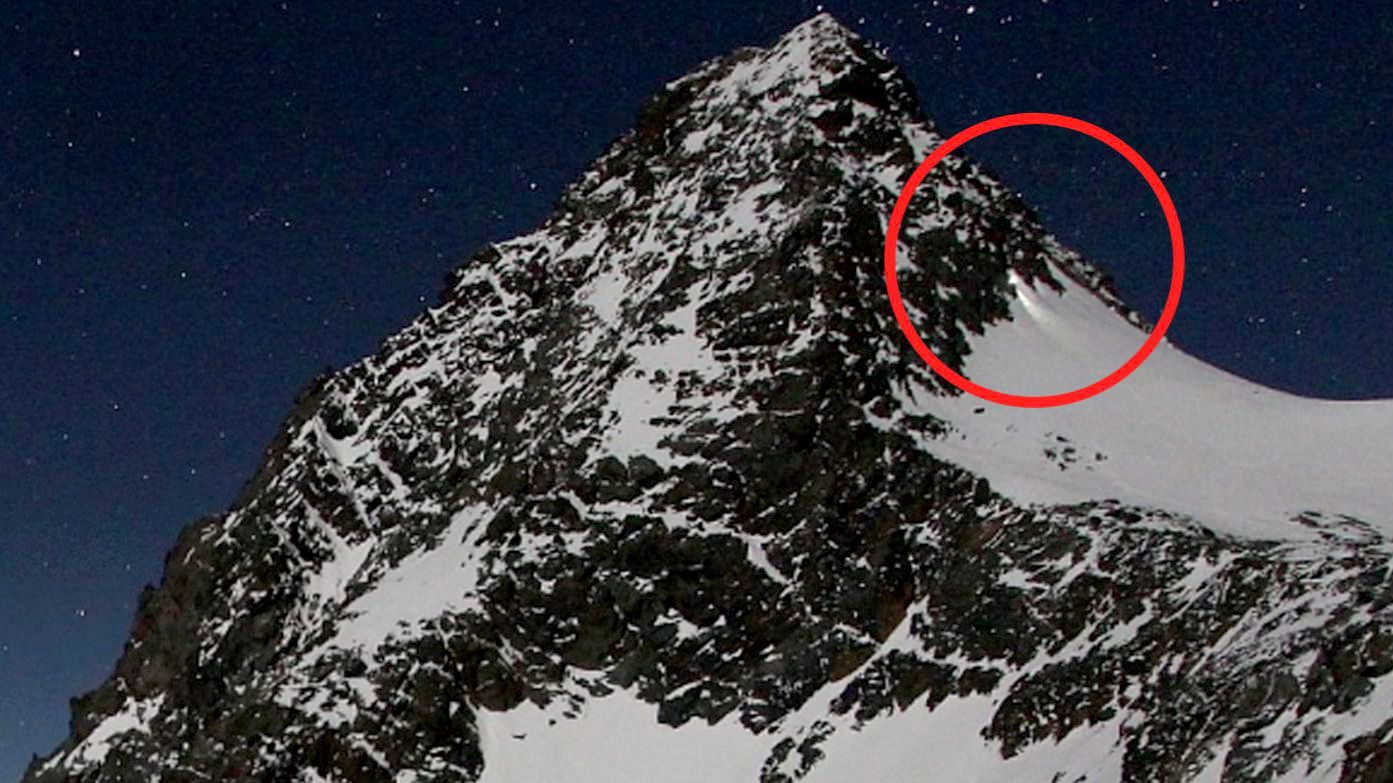
More than a year after a German climber died from exposure near the summit of Austria’s highest mountain, her companion has now gone on trial for allegedly causing her death through gross negligence.
The trial started on Thursday in Innsbruck against a 33-year-old man known as Thomas P in Austrian media reports, who has been accused by prosecutors of not taking sufficient precautions and waiting too long to call for help during a winter ascent of the Grossglockner, a 3,798-meter peak in the Austrian Alps.
He has pleaded not guilty to a charge of gross negligent manslaughter and has claimed that the death was a mountaineering accident due to rapidly changing weather conditions at high altitude.
The trial revolves around the death of Kerstin G, who was also 33 years old, and died from hypothermia in the early hours of Jan. 19, 2025, as a result of the couple’s climb going awry near the summit.
According to the authorities, Kerstin died alone on a mountainside when she was no longer able to climb, leaving her partner to look for assistance down the mountain.
The prosecution holds that the defendant had a special duty of care in the climb due to his superior knowledge of mountain climbing.
From the charging documents submitted by the Innsbruck public prosecutor’s office, the defendant is accused of being the “responsible guide for the tour,” which is one of the key legal issues in the case.
Prosecutors state that the defendant had a special responsibility for his partner due to his greater experience in alpine climbing and his involvement in planning the ascent.
In charging documents submitted by the Innsbruck public prosecutor’s office, he is accused of having acted as the “responsible guide for the tour,” which is one of the main legal issues in the case:
Prosecutors state that the ascent should not have been made in the circumstances.
Read Also: Avalanches Leaves 13 Dead Across Northern Italian Mountains
They state that Kerstin G had not previously undertaken a high-altitude alpine tour of similar length and difficulty, particularly in winter conditions, and that her partner had decided to continue with the ascent in spite of forecasts of strong winds and cold.
The authorities state that wind speeds reached a maximum of 74 kilometers an hour, with temperatures of about minus 8 degrees centigrade and wind chill factors of around minus 20.
Nine alleged mistakes were listed by investigators before and during the climb. Among these, prosecutors say the couple set out about two hours later than they should have in winter weather, did not bring enough emergency bivouac gear, and wore the wrong footwear. They say the woman wore soft boots for snowboarding, which were not suitable for the mixed alpine terrain at high altitude.
The defence denies these claims.
In a written statement, lawyer Kurt Jelinek said the couple made the plan to climb together and felt they were adequately prepared.
“Both considered themselves to be sufficiently experienced, adequately prepared, and well-equipped,” he said.
The sequence of events on the mountain is still in dispute.
Prosecutors argue that the couple should have turned back earlier due to the onset of weather and fatigue. They report that the couple was effectively stranded at 20:50 but did not call attention to themselves even as a police helicopter flew overhead at 22:50.
The defence argues that the climbers still believed they could reach the summit safely and did not think they were in imminent danger at this point.
Read Also: Putin Confirms Expulsion Of Austrian Diplomats In Major Move
According to Jelinek, the situation only changed later when Kerstin G suddenly suffered from extreme exhaustion, making it impossible for the two to descend.
Phone records and emergency calls are likely to be important evidence during the trial.
The defendant did call mountain police at 00:35 on Jan. 19, although the exact nature of this conversation is in question.
The defendant’s lawyer claims that he asked for help and that he did not tell the rescue party that the situation was under control.
Both parties concur that the couple did reach an area about 40 meters below the cross on the summit of the Grossglockner.
The defence states that since the woman had become unable to move, the defendant chose to leave her temporarily so that he could go to the summit and come down on the other side. The prosecutors claim that he left her at about 02:00 hours.
The images from the webcams later revealed a single headlamp going down from the summit ridge.
The authorities also claim that he did not use aluminium rescue blankets or other available equipment to protect her from the cold and that he only notified the emergency services around 03:30.
At this point, according to the prosecution, the increasing winds made it impossible to use helicopters during the night, thus greatly reducing the chances of survival.
Rescue teams eventually arrived in the area, but Kerstin G had already died from hypothermia.
The incident has sparked a discussion in alpine sports circles about the responsibility of climbing partners, especially when there are differences in experience.