
The arrival of a Russian oil tanker in Cuban waters has introduced a notable shift in the geopolitical dynamics surrounding the island’s deepening energy crisis, raising questions about the durability of recent U.S. pressure measures and the evolving calculus in Washington. The development comes in close temporal proximity to remarks by Donald Trump suggesting a more permissive stance toward third-party fuel deliveries to Cuba, a position that appears to diverge from the restrictive framework enforced since early January.
According to Russia’s Interfax news agency, the tanker Anatoly Kolodkin has entered waters off Cuba carrying approximately 100,000 tonnes of crude oil.
The shipment, described by Russian officials as humanitarian in nature, represents the first such delivery to the island in nearly three months. Its arrival is expected to provide limited but immediate relief to a country grappling with acute fuel shortages and the cascading consequences of disrupted energy supply.
Read Also: Man United Zero In On Midfield Target As Plans Shift
Cuba’s current predicament is rooted in a convergence of external pressure and longstanding structural vulnerabilities. The tightening of U.S. policy earlier this year effectively curtailed the island’s access to imported fuel, creating what analysts have characterized as a de facto oil blockade. Although not formally declared, the combination of sanctions, diplomatic warnings, and enforcement signals significantly constrained Cuba’s ability to secure energy shipments through conventional channels.
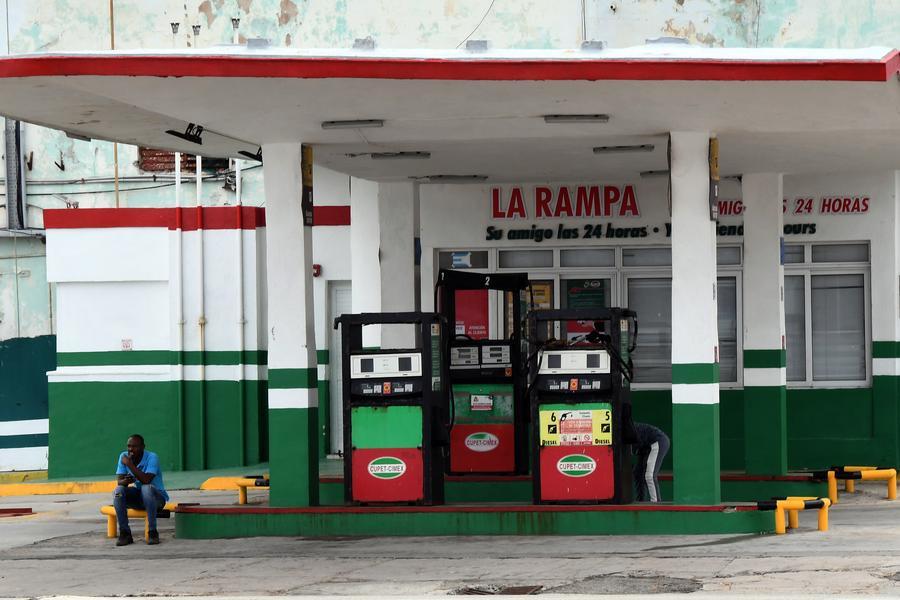
The effects have been visible across multiple sectors of Cuban society. Recurrent nationwide blackouts have disrupted economic activity and public services, while the strain on critical infrastructure has become increasingly pronounced. The World Health Organization recently warned that fuel shortages were undermining the operational capacity of hospitals, with emergency and intensive care units facing growing difficulty in maintaining essential services.
The crisis accelerated sharply following developments on 3 January, when U.S. forces detained Venezuelan leader Nicolás Maduro, a key ally of Havana.
Venezuela had long served as a primary energy partner for Cuba, supplying oil under preferential arrangements that insulated the island from market volatility. The disruption of this supply line removed a critical pillar of Cuba’s energy security, exposing underlying fragilities that had been partially masked for years.
In the weeks that followed, Washington expanded its pressure campaign. The U.S. Treasury Department moved to include Cuba on a sanctions list restricting the flow of Russian oil, while the administration warned that countries facilitating fuel deliveries to the island could face retaliatory tariffs. These measures collectively reinforced the blockade’s practical effect, even in the absence of overt naval enforcement.
It is within this constrained environment that Moscow’s intervention must be understood. Russian Energy Minister Sergei Tsivilev framed the shipment as a response to humanitarian need, citing the “sanctions pressure” confronting Cuba.
The characterization serves both a diplomatic and strategic function, positioning Russia as a provider of relief while implicitly challenging the legitimacy of U.S.-led restrictions.
The timing of the tanker’s arrival is closely linked to a subtle but consequential shift in U.S. rhetoric. Speaking to reporters aboard Air Force One, President Trump indicated that he would not oppose the delivery of oil to Cuba by external actors, including Russia. His remarks, emphasizing that Cuba “has to survive,” suggest a degree of flexibility that contrasts with earlier warnings of punitive action against suppliers.
Whether this represents a substantive policy recalibration or a temporary adjustment remains unclear. The absence of formal guidance or regulatory change leaves room for interpretation, and it is possible that the administration is seeking to balance humanitarian considerations with its broader strategic objectives. Allowing a limited shipment to proceed may mitigate immediate suffering without fully relinquishing leverage over Havana.
The tanker is expected to discharge its cargo at the Matanzas terminal, a key node in Cuba’s energy distribution network. While the volume of oil on board is significant, it is unlikely to provide more than short-term stabilization. Cuba’s energy demands far exceed the capacity of a single shipment, and without a sustained resumption of imports, the structural deficit will persist.
Diplomatic engagement between Havana and Washington continues, albeit under constrained conditions. The Cuban government, led by Miguel Díaz-Canel, has signaled a willingness to explore pathways out of the crisis, but negotiations remain complicated by entrenched positions on both sides. U.S. officials have maintained demands for political and economic reforms, while Cuban authorities have rejected any externally imposed changes to their governance framework.
Recent statements have underscored the depth of this impasse. President Trump has suggested the possibility of asserting control over Cuba, a remark that has been firmly rebuffed by the island’s leadership. Havana has reiterated its commitment to sovereignty and its refusal to accept conditions that would alter the composition or direction of its political system.
Beyond the immediate diplomatic standoff, Cuba’s crisis reflects deeper economic challenges that predate the current blockade. The collapse of tourism revenues following the COVID-19 pandemic significantly reduced foreign exchange inflows, while persistent inefficiencies in state management have constrained productivity and growth. These factors have compounded the impact of external restrictions, leaving the country with limited capacity to absorb shocks.
In this broader context, the arrival of the Anatoly Kolodkin carries symbolic as well as practical significance. It underscores the extent to which global power dynamics continue to shape regional outcomes, with external actors playing decisive roles in the economic fortunes of smaller states.
Russia’s willingness to supply oil, even under constrained conditions, highlights the persistence of geopolitical competition in areas traditionally influenced by U.S. policy.
For the United States, the episode illustrates the complexity of enforcing economic pressure in an interconnected international system. Efforts to isolate Cuba must contend with the interests and actions of other major powers, as well as the humanitarian implications of sustained restrictions. The decision to permit this shipment, whether deliberate or incidental, reflects an awareness of these constraints.
Cuba, meanwhile, remains caught between external pressures and internal limitations. The oil delivered by the Russian tanker may ease immediate shortages and reduce the frequency of blackouts, but it does not alter the underlying trajectory. Without a durable resolution—either through negotiated relief, structural reform, or diversified energy partnerships—the island is likely to face continued instability.
Read Also: Myanmar’s Coup Leader Steps Down, Eyes Presidency
The unfolding situation thus represents more than a discrete policy adjustment. It reveals the fragility of sanctions-based strategies when confronted with competing geopolitical interests, and it highlights the enduring vulnerability of economies heavily dependent on external support.
As the tanker docks and offloads its cargo, it brings temporary relief to Cuba’s strained system, but also signals the uncertain contours of a crisis that remains far from resolved.