
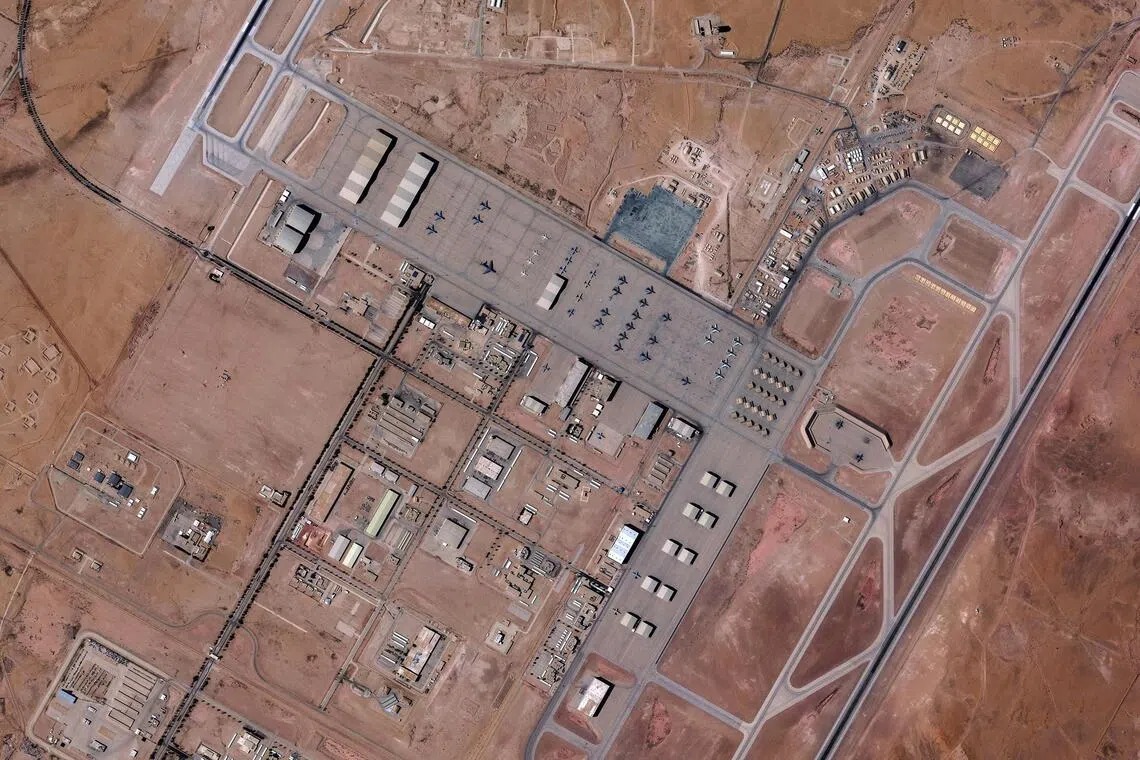
Planet Labs has agreed to block satellite imagery of Iran and the broader Middle Eastern conflict zone indefinitely, complying with a Trump administration request that effectively extends a commercial blackout over one of the world’s most consequential and least independently verifiable military campaigns.
The California-based company, founded by former NASA scientists and one of the world’s largest commercial satellite imagery providers, informed customers of the decision by email on Saturday. The government had asked satellite imagery providers to impose an “indefinite withhold of imagery,” Planet Labs said, and the company would comply by switching to what it described as “managed distribution” — releasing images case by case only for urgent, mission-critical purposes or matters of clear public interest. All imagery dating back to March 9 will be withheld under the new policy, which the company expects to remain in effect until the war ends.
The decision did not arrive without precedent. Planet Labs had already implemented a 96-hour delay on Middle East imagery early in the conflict, then extended that to a 14-day delay last month. Saturday’s announcement converted those temporary measures into an indefinite restriction — a escalation in information control that tracks the war’s own escalation on the ground.
The company framed the move in terms that balanced obligation and discomfort. “These are extraordinary circumstances, and we are doing all we can to balance the needs of all our stakeholders,” it said. The framing acknowledges competing pressures without resolving them: military clients who need imagery withheld from adversaries, civilian researchers and journalists who depend on it for independent documentation, and a commercial company navigating a government request it does not have an obvious legal basis to refuse.
Read also: Iran Allows Iraqi Ships Through Hormuz As Transits Rise
The military rationale for the restriction is straightforward. Satellite imagery supports target identification, weapons guidance, missile tracking and battle damage assessment. An adversary with access to real-time or near-real-time commercial imagery of its own territory under bombardment gains intelligence that could be used to move assets, identify strike patterns and plan counter-operations. American officials have argued that restricting commercial imagery prevents Iran from using it to attack US forces and allies — though some space analysts note that Iran may already be accessing imagery through American adversaries who operate their own commercial satellite constellations and face no obligation to comply with Washington’s requests.
The restriction’s secondary effect is on independent oversight of the campaign itself. Satellite imagery has become one of the most important tools available to journalists, human rights investigators and academic researchers attempting to document the effects of military operations in places where physical access is restricted or impossible. The WHO has verified more than 20 strikes on Iranian healthcare facilities. Iran’s Red Crescent counts 307 damaged medical and emergency facilities. The B1 bridge connecting Tehran to Karaj was severed and posted triumphantly on Trump’s social media. Independent satellite verification of these and other claims — including assessments of civilian infrastructure damage, displacement patterns and the accuracy of official statements from both sides — depends on commercial imagery that Planet Labs and potentially other providers are now withholding.
Read more: Gulf War Pummels India’s Glass Hub, Tests Factory Push
The timing is notable. The imagery blackout takes effect as the war has produced its most contested developments: a downed American F-15E, disputed claims about Iran’s remaining air defence capabilities, strikes on bridges, universities, hospitals and residential buildings, and a war in which both sides are making assertions about military progress that independent observers have limited means to evaluate. Reducing the commercial satellite record available to the public and to investigators narrows the space within which those competing claims can be tested.
Planet Labs said it would continue to release imagery on a case-by-case basis for urgent or public-interest purposes under its managed distribution system, though the criteria for those determinations and who makes them were not specified in detail. The company did not say whether it had received a formal legal order or complied voluntarily with an informal request — a distinction that matters significantly for understanding the legal and precedential weight of the decision.
The war began February 28. The imagery blackout runs from March 9 forward, and indefinitely thereafter. Whatever is happening in Iran during that window will be documented, if it is documented at all, by sources the American government does not control.