
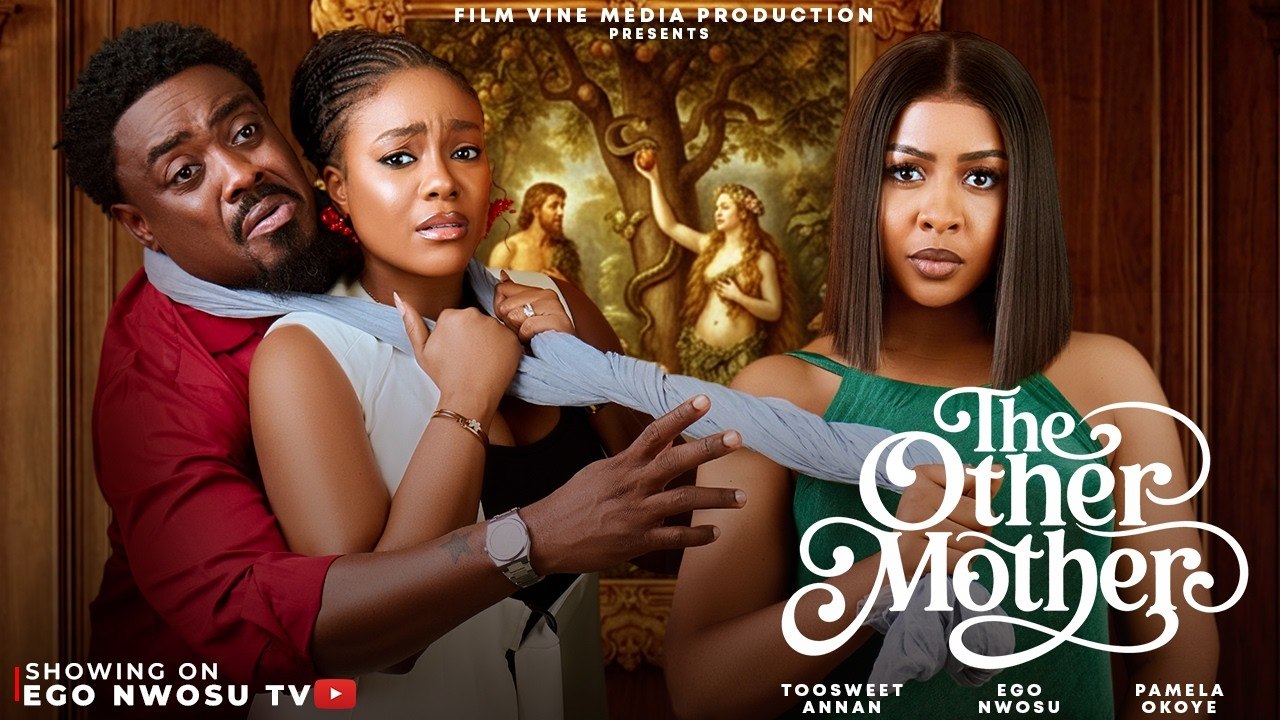
Official Trailer:
There is a particular kind of tension that arises when trust within a family begins to fracture—when love, once taken for granted, turns into a battleground of suspicion and rivalry. That uneasy emotional terrain forms the foundation of The Other Mother, a story that probes the fragile lines between loyalty, jealousy, and the complicated meaning of motherhood.
Rather than presenting domestic conflict as loud spectacle, the film leans into psychological unease, allowing emotions to simmer until they inevitably spill into confrontation.
The narrative centers on a domestic environment that initially appears stable but gradually reveals deeper cracks beneath the surface. A relationship that once thrived on affection begins to falter as new emotional dynamics emerge, forcing each character to reassess their place within the family structure. The film’s strength lies in its ability to portray how seemingly minor misunderstandings can escalate into major emotional divides when pride and insecurity are left unaddressed.
Read Also: The Benefactor: Power Behind Generosity
A compelling performance from TooSweet Annan provides much of the film’s dramatic tension. His portrayal reflects a man caught between conflicting loyalties, navigating a situation that grows increasingly difficult to control. Rather than presenting him as a passive observer, the film positions his character as someone whose decisions—both intentional and accidental—shape the emotional trajectory of the household. Annan’s performance captures the frustration of trying to maintain balance in a situation where every choice seems to carry unintended consequences.
Equally central to the story is Ego Nwosu, whose presence drives much of the film’s emotional intensity. Her character embodies resilience and vulnerability in equal measure, presenting a woman determined to protect what she believes is rightfully hers. Nwosu delivers a performance marked by emotional precision, allowing moments of quiet reflection to carry as much weight as overt confrontation. Her portrayal highlights the internal struggle between self-preservation and compassion, making her character one of the most emotionally layered figures in the narrative.
Adding further depth is Pamela Okoye, whose role introduces tension that disrupts the existing family dynamic. Okoye’s character is portrayed with a careful balance of confidence and mystery, creating an atmosphere of unpredictability. Her presence forces other characters to confront uncomfortable truths, challenging assumptions about loyalty and belonging. Through her interactions, the film explores the idea that rivalry is rarely born out of hatred alone; it often grows from fear, insecurity, and the desire for validation.
From a directorial standpoint, the film embraces a visually intimate style that mirrors the personal nature of its conflict. Most scenes unfold within confined domestic settings, reinforcing the sense that there is no escape from the emotional pressures building within the household. The camera lingers on faces during moments of tension, capturing subtle expressions that reveal more than spoken words. This focus on detail enhances the film’s psychological depth, transforming ordinary conversations into moments of heightened suspense.
The pacing of The Other Mother unfolds with deliberate restraint. Rather than relying on rapid plot twists, the narrative builds gradually, allowing emotional stakes to develop organically. This measured approach encourages viewers to engage with the characters’ motivations, making each confrontation feel earned rather than forced. The film demonstrates a clear understanding that the most powerful drama often emerges not from sudden shocks, but from accumulated tension.
Beyond its central conflict, the film engages with broader themes surrounding motherhood and identity. It questions the societal expectation that motherhood must always align with biological ties, suggesting that emotional connection can be just as significant as lineage. At the same time, it acknowledges the vulnerability that arises when those bonds are threatened, revealing how easily love can transform into competition when insecurity takes hold.
Watch the Full Movie Here: Movie Hub
The production design further reinforces the narrative’s emotional tone. Carefully arranged interiors reflect a sense of outward stability, even as relationships within those spaces begin to unravel. This visual contrast underscores one of the film’s key messages: appearances can be deceiving, and harmony within a family often masks unresolved tension.
Within the broader context of Nollywood storytelling, The Other Mother represents a continuation of the industry’s fascination with domestic drama, yet it distinguishes itself through its attention to psychological nuance. While many family-centered films rely heavily on overt melodrama, this production attempts to balance emotional intensity with reflective storytelling. The result is a narrative that feels both familiar and refreshingly introspective.
What ultimately sets The Other Mother apart is its willingness to examine the consequences of rivalry without simplifying its causes. It does not portray conflict as purely malicious; instead, it recognizes the fears and insecurities that drive individuals toward confrontation. This nuanced perspective invites viewers to empathize with multiple characters, even when their actions are questionable.
By the time the film reaches its final moments, what lingers is not merely the resolution of its conflicts but the questions it raises about belonging and trust. How far can loyalty stretch before it begins to break? Can love survive when suspicion becomes routine? And perhaps most importantly, what defines a mother—the act of giving life, or the act of protecting it?
Read Also: Unexpected Us: Love Beyond Circumstance
Through its layered performances and emotionally charged storytelling, The Other Mother offers a portrait of family life shaped by both tenderness and tension. It is a reminder that relationships, no matter how strong they appear, are built on fragile foundations that require constant care. In exploring these vulnerabilities, the film delivers a story that resonates long after the final scene fades, leaving audiences to reflect on the delicate balance between love and rivalry.