
Indirect negotiations to enact a U.S.-brokered peace plan for Gaza resumed Tuesday in Sharm El-Sheikh, Egypt, as President Donald Trump declared there was a ”really good chance” of securing a lasting agreement. The discussions aim to facilitate a hostage-prisoner exchange and lay groundwork for a ceasefire in the two-year conflict.
Negotiators from Israel and Hamas, working via mediators from Egypt and Qatar, are meeting in separate shuttle sessions to hammer out the first phase: releasing Israeli hostages in return for Palestinian detainees. Palestinian and Egyptian officials told BBC that the focus is on establishing the ”field conditions” necessary for the exchange. Israeli Prime Minister Benjamin Netanyahu had said in an earlier statement that he hopes to announce a hostage release in the coming days.
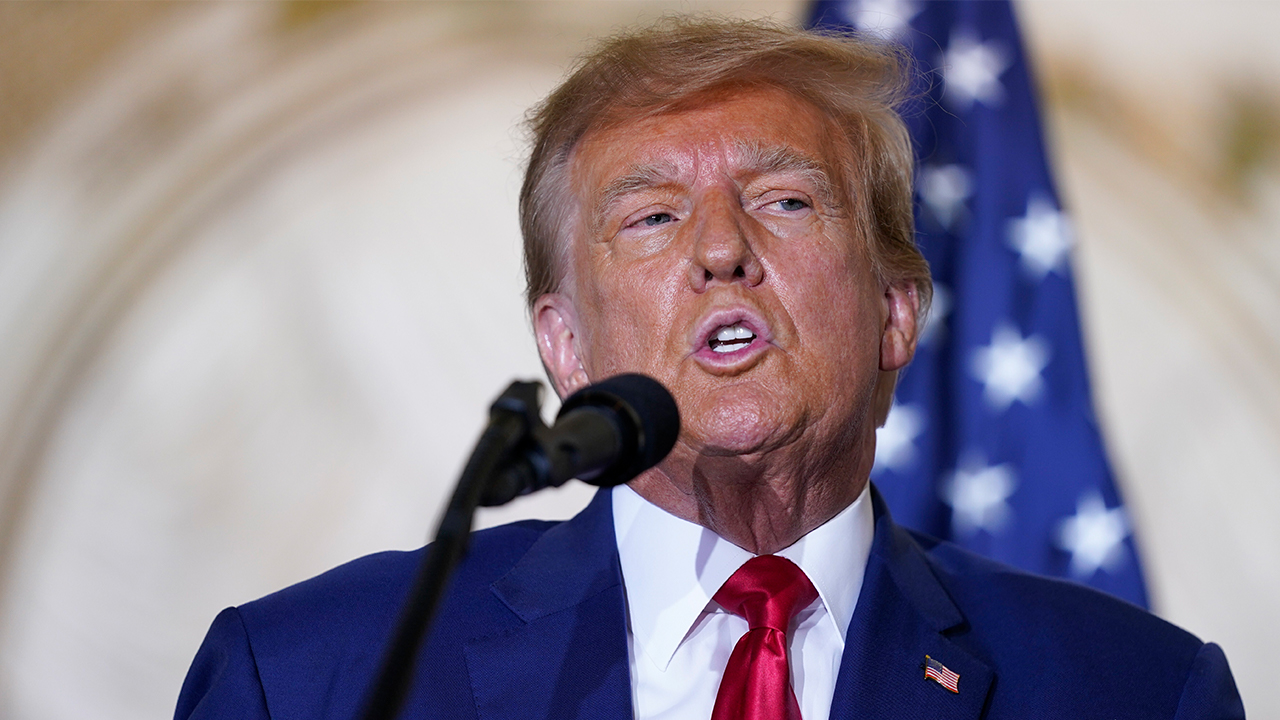
Trump, addressing reporters at the White House had also urged both parties to “move fast,” saying that Hamas has been “agreeing to things that are very important.” He predicted the first phase could conclude within the week.
Hamas has given a qualified acceptance of Trump and Netanyahu’s 20-point proposal — agreeing in principle to free Israeli captives (alive and dead), and to transfer administrative control of Gaza to a technocratic Palestinian body. But the group avoided committing to Trump’s bold demands, asking for full disarmament and a permanent exclusion from Gaza governance.
Read Also: Supreme Court Rejects Maxwell Appeal, Sentence Stands
Several key roadblocks could still derail the plan. One is the timeline and guarantees around the full return of hostages. Trump’s proposal stipulates that once Israel publicly accepts the agreement, all hostages — living and deceased — must be returned within 72 hours. But Hamas has left “field conditions” undefined in its response, raising doubts about how—and how soon—implementation would proceed.
Another major sticking point is disarmament. Trump’s plan demands that Hamas relinquish all arms and that military infrastructure—including tunnels and weapons production facilities—be dismantled and verifiably destroyed. Hamas made no direct commitment on this in its reply, preferring to defer key elements to further negotiations within a broader Palestinian national framework.
Lastly, control and governance of Gaza remain contentious. Under the plan, a technocratic, apolitical committee (alongside a U.S.-led “Board of Peace”) would oversee Gaza initially, before eventually handing governance to the Palestinian Authority. But Hamas insists it must be involved in discussions over the enclave’s future, complicating its exclusion from formal power.
Beyond those hurdles, Trump’s plan includes a wide reconstruction agenda for Gaza, promises that no forced displacement will occur, and stipulates ongoing humanitarian aid delivered via U.N. agencies and the Red Crescent. The plan also envisions the deployment of an international stabilization force to support security and border control.
The second day of the talks began just as the conflict marks its second anniversary on October 7, the date of Hamas’s 2023 attack on southern Israel, in which about 1,200 Israelis died and 251 were taken hostage. Palestinian casualties or the other hand has been exponential: Gaza’s Hamas-run health ministry reports more than 67,000 killed, including 18,000 children.
Leaders around the world have reacted. U.N. Secretary-General António Guterres urged seizing this “opportunity” for peace. U.K. Prime Minister Keir Starmer voiced support for Trump’s plan, saying his government will push for a future in which Israelis and Palestinians live “peacefully in safety and security.”