

JURISDICTIONAL NOTICE
U.S. FIRST AMENDMENT PROTECTED.
Any attempt by the Nigerian State or its proxies to suppress, threaten, hack, intimidate, or interfere with this publication will be documented, preserved as evidence, and reported to the FBI, U.S. Department of Justice, and relevant federal authorities.
♦♦♦♦♦♦♦♦♦♦♦♦♦♦♦♦♦♦♦♦♦♦♦♦♦♦♦♦♦♦♦♦♦♦♦♦♦♦♦♦♦♦♦♦♦♦♦♦♦♦♦♦
A forensic dissection of Flora Shaw’s colonial label, Decree No. 24, and the militarized elite cartel that turned Nigeria into a republic no president can redeem without restructuring.
Abuja’s Chokehold: Power, Rail, Ports, and Productive Suffocation
A forensic account of Abuja’s chokehold over rail, power, ports, minerals, and the permissions that suffocate regional development.
Development does not fail only because leaders lack vision. It fails when law places productive energy in handcuffs. Nigeria’s infrastructure crisis cannot be explained by incompetence alone, although incompetence is abundant. The deeper question is why a country of immense regional diversity has kept so many decisive powers clustered at the center, then wondered why roads decay, ports choke, rail stagnates, electricity fails, and states beg for permissions that should never have been hoarded in one capital.
Abuja’s grip has long shaped the country’s ability to build. Railways, ports, electricity regulation, minerals, policing, and other development levers were placed under heavy federal control through constitutional and statutory arrangements. Some central coordination is normal in any federation. Nigeria went beyond coordination. It created a culture in which the center became gatekeeper, landlord, regulator, financier, dispenser, and excuse. When everything important must pass through Abuja, delay becomes national policy.
Electricity offers the clearest daily evidence. Factories die under generator costs. Small businesses price darkness into survival. Hospitals, schools, farms, and technology firms all pay the tax of unreliable power. For decades, the federal grip over major electricity functions limited the ability of states to design and operate power systems suited to their economies. The 2005 Electric Power Sector Reform Act and later reforms altered the sector, but the larger reality remained painful: centralization, weak transmission, poor distribution, regulatory bottlenecks, gas supply problems, debt, and politicized implementation kept the system from serving the people at scale.
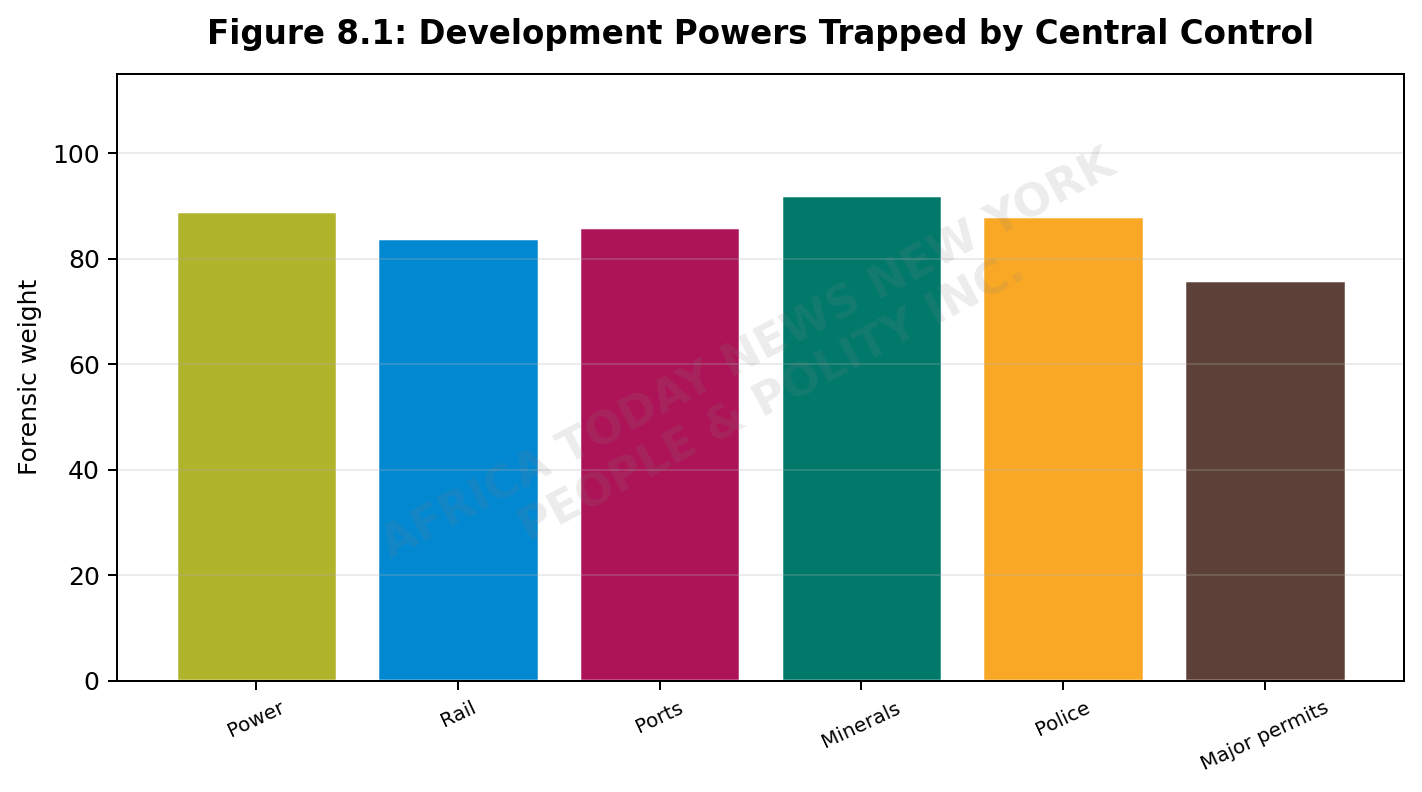
Figure 8.1: Development Powers Trapped by Central Control.
Forensic visualization by People & Polity Inc.; interpretive scale derived from documentary analysis, not official data.
Recent reforms, including the Electricity Act 2023 and constitutional changes expanding state authority over electricity, matter. They should be acknowledged. Yet they should not be misread as liberation. They are admissions that the old order was indefensible. A center collapsing under powers it should never have hoarded has begun shedding some burdens because the failure became impossible to hide. Allowing states greater room in electricity is necessary, but it does not erase decades of lost industrial growth, dead factories, wasted investment, and citizens forced to self-provide what the state could not deliver.
Read also: Nigeria: The Slave Name And The Restructuring Verdict — Part 7
Rail tells a similar story. Railways once carried economic promise across the territory. Over time, neglect, central control, corruption, poor maintenance, policy inconsistency, and weak investment reduced rail to a symbol of national underachievement. The 2023 constitutional movement of railways from the Exclusive List toward the Concurrent List is significant because it confirms the argument of this series: the original arrangement was suffocating. If states and regions had long possessed clearer authority to develop rail corridors tied to production, ports, mines, farms, and industrial zones, Nigeria’s economic geography would look different today.
Ports reveal the cost of concentration in another way. Lagos carries an excessive burden because port development has not followed the logic of regional balance and productive federalism. Congestion, demurrage, transport delays, and corruption around port processes raise costs across the economy. Regions with maritime potential should not be reduced to spectators waiting for federal action. A true federation would allow ports to become regional growth engines, linked to rail, roads, manufacturing, customs reform, and local commercial strategy. Central monopoly has turned what should be a network of gateways into a political bottleneck.
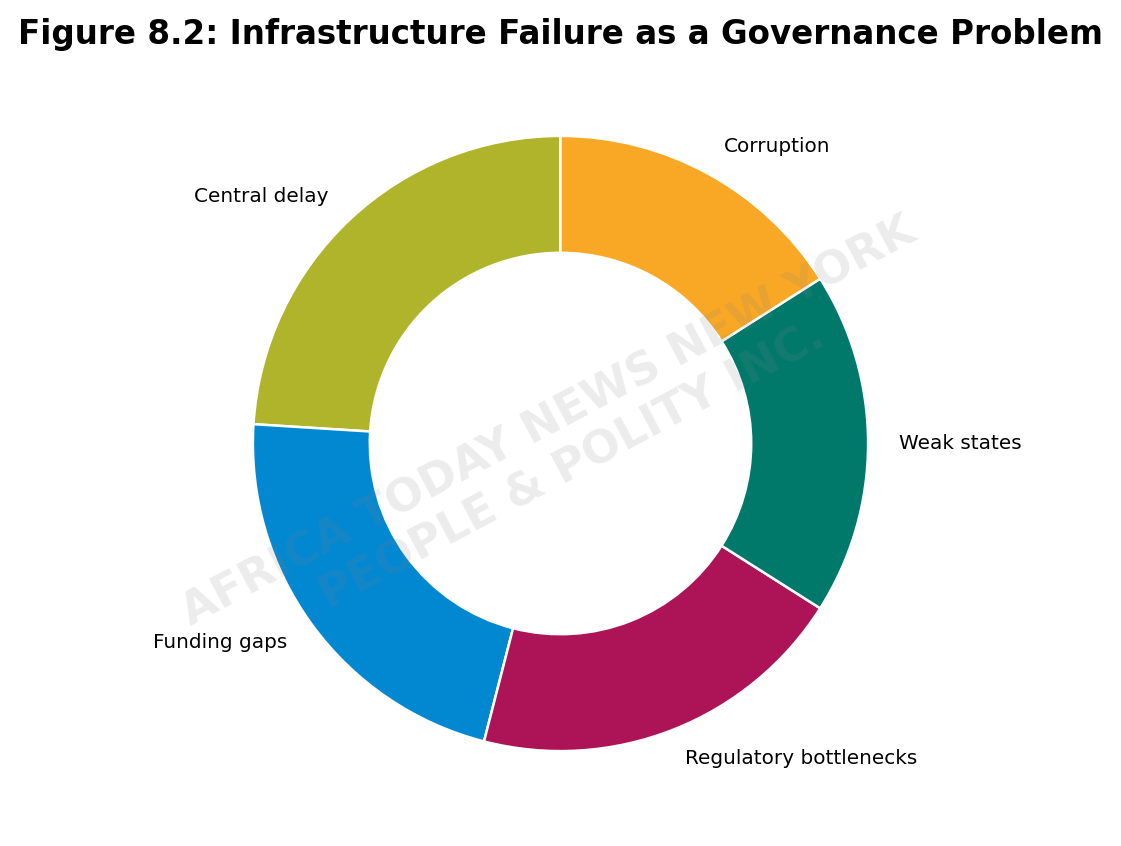
Figure 8.2: Infrastructure Failure as a Governance Problem.
Forensic visualization by People & Polity Inc.; interpretive scale derived from documentary analysis, not official data.
Infrastructure is not concrete alone. It is power. Whoever controls permission controls time. Whoever controls time controls cost. Whoever controls cost controls survival. When a state cannot move quickly on energy, transport, ports, security, or industrial planning without navigating federal corridors, development becomes hostage to the slowest authority in the room. Abuja’s chokehold has forced the country to confuse national control with national progress.
Foster and Pushak’s work on Nigeria’s infrastructure deficit places the problem in continental perspective, showing how infrastructure gaps constrain growth and competitiveness (Foster & Pushak, 2011). World Bank reviews of Nigeria’s public finance and power-sector operations reinforce the same warning: infrastructure weakness and fiscal disorder undermine development outcomes (World Bank, 2022, 2023). Yet statistics cannot fully capture the lived cost. Every blackout is a policy failure entering a room. Every delayed shipment is centralization taxing a trader. Every abandoned rail corridor is a lost factory. Every port bottleneck is a hidden increase in the price of food.
Read also: Nigeria: The Slave Name And The Restructuring Verdict — Part 6
The old defense of federal monopoly rested on fear: fear that states would abuse power, fear that regions would drift apart, fear that local control would weaken national unity. That fear has become self-indicting. Centralization has not delivered unity. It has delivered scarcity, delay, resentment, and a culture of begging. States are blamed for not developing while denied the full authority to build. Regions are accused of dependence while the constitution trains them to depend. Citizens are told to be patriotic while they buy fuel, water, security, power, and transport solutions with private money.
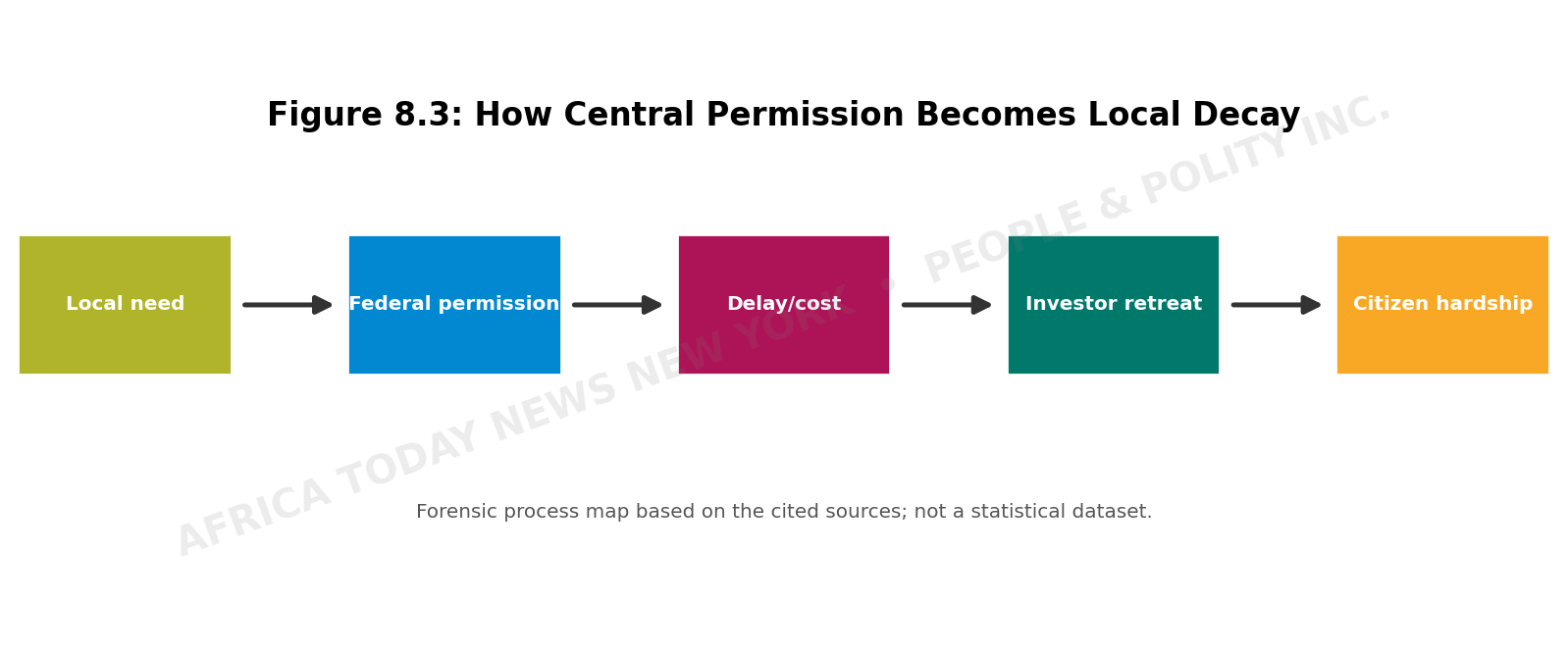
Figure 8.3: How Central Permission Becomes Local Decay.
Forensic visualization by People & Polity Inc.; interpretive scale derived from documentary analysis, not official data.
Part 8 must treat recent devolution as evidence, not escape. The constitutional alterations on railways and electricity prove that federal monopoly was not sacred. It was policy. It could be changed because it was made by law, not by nature. The question is why the political class waited until failure became unbearable before conceding what productive federalism required long ago. Strategic concessions by a strained center are not the same as restructuring. They are pressure valves. The boiler remains.
A full restructuring agenda would go far beyond partial rail and electricity reform. It would allow states and regions to build and regulate infrastructure tied to their economic realities. It would open port development, deepen local energy markets, connect rail to regional production, give subnational governments clearer borrowing and investment powers under responsible rules, and reduce federal ministries to coordination where coordination is truly needed. It would also connect infrastructure to security, land use, taxation, education, and industry. Development is not a ministry. It is a chain of authority, money, responsibility, and consequence.
Central control has helped produce a national habit of excuse. Federal officials blame states. States blame Abuja. Agencies blame laws. Investors blame uncertainty. Citizens blame everyone and still pay the price. The present order diffuses responsibility so widely that failure becomes homeless. Nobody owns it long enough to be punished. A real federation would shorten the distance between promise and accountability. If a state controls power, rail corridors, local security, and economic planning, citizens can judge that government with clarity. If everything depends on Abuja, every failure disappears into fog.
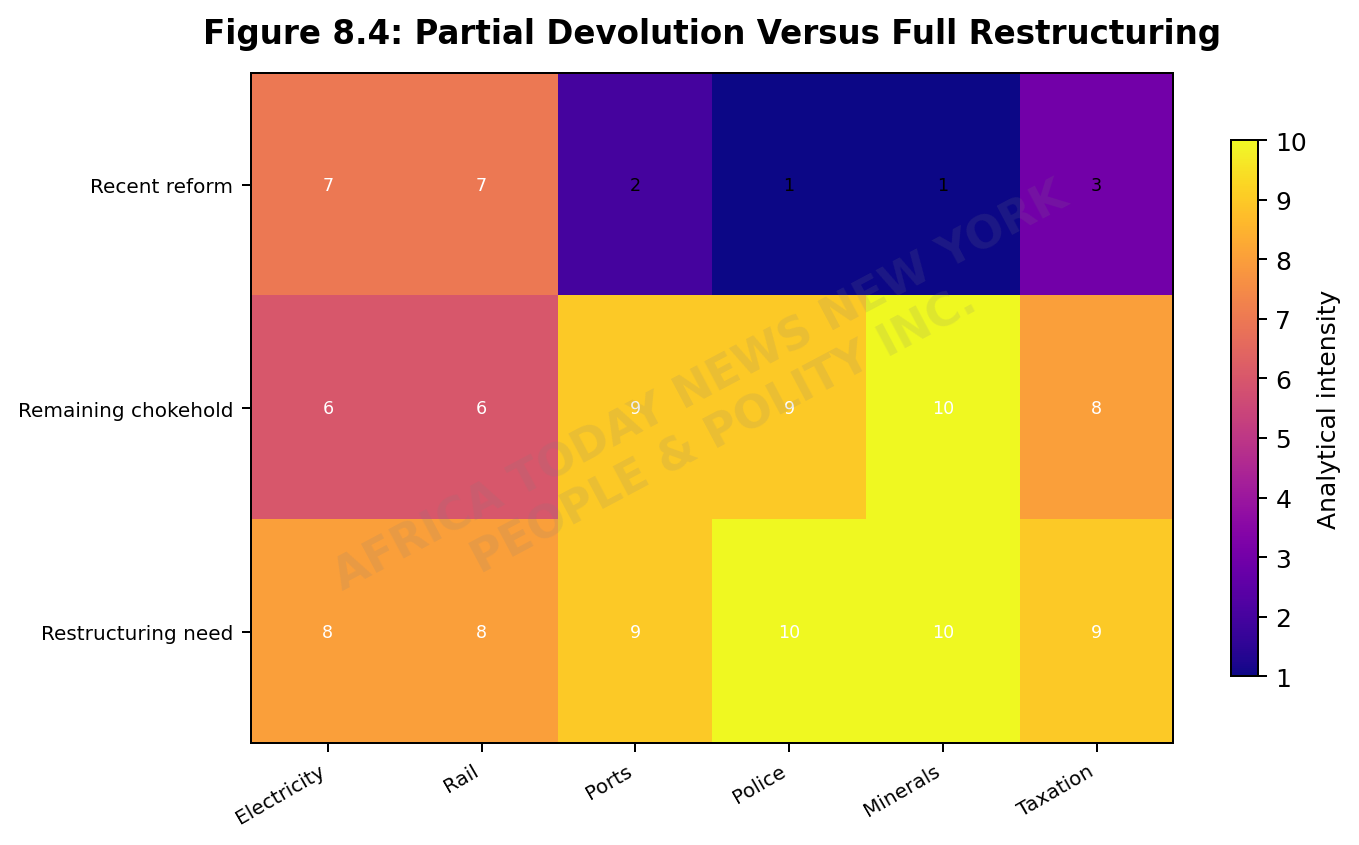
Figure 8.4: Partial Devolution Versus Full Restructuring.
Forensic visualization by People & Polity Inc.; interpretive scale derived from documentary analysis, not official data.
The infrastructure question also exposes the emptiness of the leadership myth. A president can commission projects. He can borrow, announce, flag off, inspect, and celebrate. He cannot personally build a productive country from the center while states wait for permission. Development at Nigeria’s scale requires many centers of initiative. It requires rivalry among regions, competition among states, local innovation, and fiscal consequences. A country this large cannot be built by one capital pretending to be everywhere.
The closing charge is direct. Abuja’s chokehold has cost Nigeria time, factories, jobs, trade routes, reliable power, regional ambition, and public trust. The recent loosening of control over railways and electricity does not absolve the center. It convicts it. For decades, powers that should have fueled production were trapped in a central room where delay thrived and accountability thinned. A republic that criminalizes or delays regional initiative should not be surprised when its people inherit darkness, congestion, unemployment, and decay. Restructuring is the act of returning the tools of development to the hands closest to the work.
A productive federation would not wait for one capital to imagine every corridor. Kano would think like Kano. Aba would think like Aba. Port Harcourt would plan as a Gulf-facing industrial gateway. Lagos would compete rather than carry a burden made heavier by national neglect. The Middle Belt would connect agriculture, processing, rail, and security around its own realities. The North-East would rebuild with powers suited to reconstruction rather than pleading through distant ministries. Federalism should multiply engines. Nigeria has spent decades overworking one engine and blaming the passengers for the breakdown.
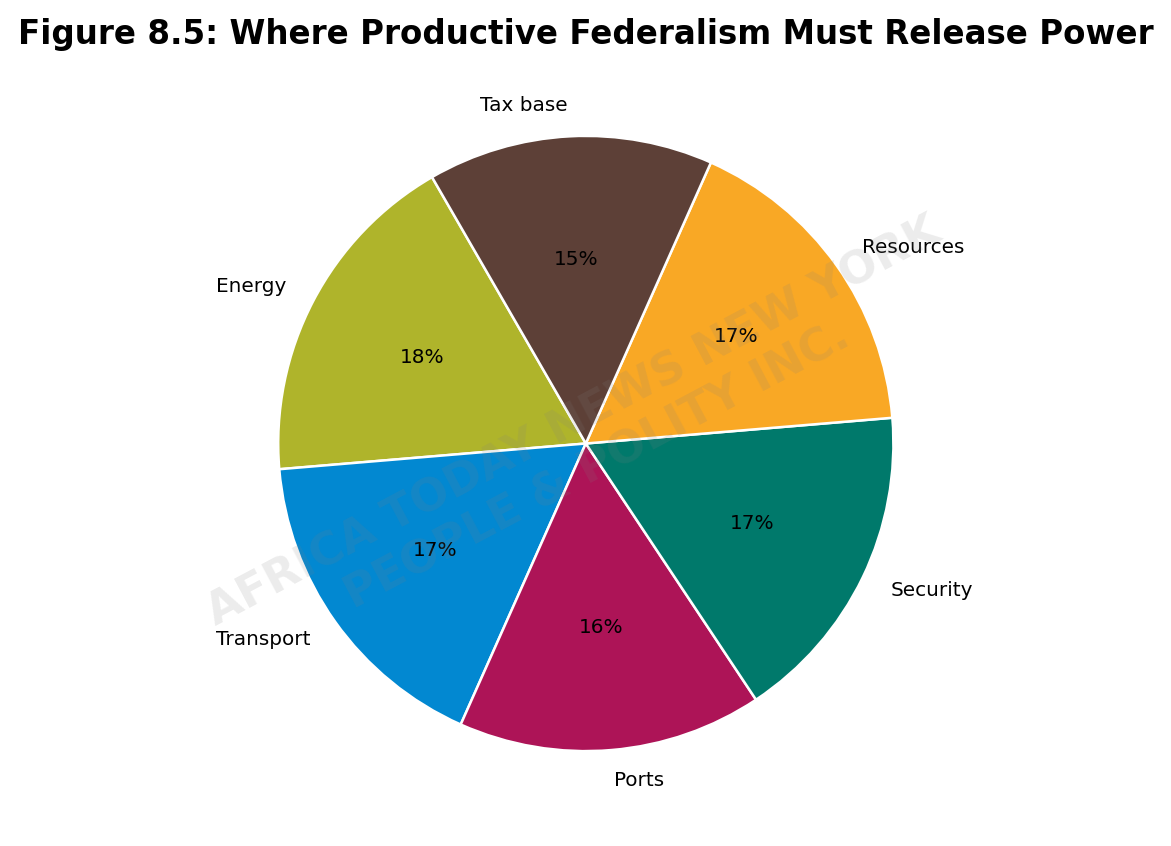
Figure 8.5: Where Productive Federalism Must Release Power.
Forensic visualization by People & Polity Inc.; interpretive scale derived from documentary analysis, not official data.
Infrastructure also shapes dignity. Citizens who provide their own boreholes, generators, guards, school alternatives, and medical escape routes are not living under a capable republic. They are subsidizing state failure while officials praise resilience. The language of resilience has become an insult when used to excuse preventable hardship. Nigerians are not short of stamina. They are short of a state that releases their productive force instead of trapping it in approval chains.
Federal officials often speak as if decentralization means disorder, but the disorder is already here. It is visible in darkness, abandoned lines, congested ports, dead industrial estates, unsafe highways, and states that cannot act at the speed of local need. Centralization has already failed its own promise. The burden of proof now belongs to those who defend it.
Judged fairly, recent reforms should be used as the beginning of a larger argument, not as a curtain drawn across it. If states can now do more on electricity and rail, then the old doctrine of federal indispensability has already cracked. The next question is why ports, policing, minerals, taxation, and wider infrastructure powers should remain trapped in a model whose failures are no longer deniable.
Evidence Exhibit Table — Part 8
| Claim | Evidence type | Forensic meaning | What it proves |
| Federal chokehold delayed development | Constitution; infrastructure law; World Bank reports | Permissions and monopolies slowed productive energy | Centralization has economic costs |
| Electricity reforms confess old failure | Electricity Act 2023; constitutional alterations | State authority expanded because the old order failed | Partial devolution proves the case |
| Rail reform exposes prior suffocation | Fifth Alteration Act; Railway Act history | States were denied initiative for decades | The center held powers it could not deliver |
| Ports and infrastructure need regional energy | Ports law; infrastructure reviews | One capital cannot plan every corridor | Productive federalism requires local authority |
Evidentiary Sources (APA 7th Edition)
Electric Power Sector Reform Act, No. 6 of 2005.
Electricity Act, 2023.
Federal Ministry of Finance, Budget and National Planning. (2020). Reviewed national integrated infrastructure master plan, 2020–2043. Federal Republic of Nigeria.
Federal Republic of Nigeria. (1999). Constitution of the Federal Republic of Nigeria, 1999. Federal Government Printer.
Federal Republic of Nigeria. (2023). Constitution of the Federal Republic of Nigeria, 1999 (Fifth Alteration) (No. 16) Act, 2023. Federal Government Printer.
Federal Republic of Nigeria. (2023). Constitution of the Federal Republic of Nigeria, 1999 (Fifth Alteration) (No. 33) Act, 2023. Federal Government Printer.
Foster, V., & Pushak, N. (2011). Nigeria’s infrastructure: A continental perspective (Policy Research Working Paper No. 5686). World Bank.
Nigerian Ports Authority Act, Cap. N126, Laws of the Federation of Nigeria 2004.
Nigerian Railway Corporation Act, Cap. N129, Laws of the Federation of Nigeria 2004.
Oyewunmi, T. (2018). Regulating gas supply to power markets in Nigeria: Transitions and challenges. Journal of World Energy Law & Business, 11(1), 57–77. https://doi.org/10.1093/jwelb/jwx039
World Bank. (2022). Nigeria public finance review: Fiscal adjustment for better and sustainable results. World Bank.
World Bank. (2023). Additional financing for the Power Sector Recovery Performance Based Operation. World Bank.