
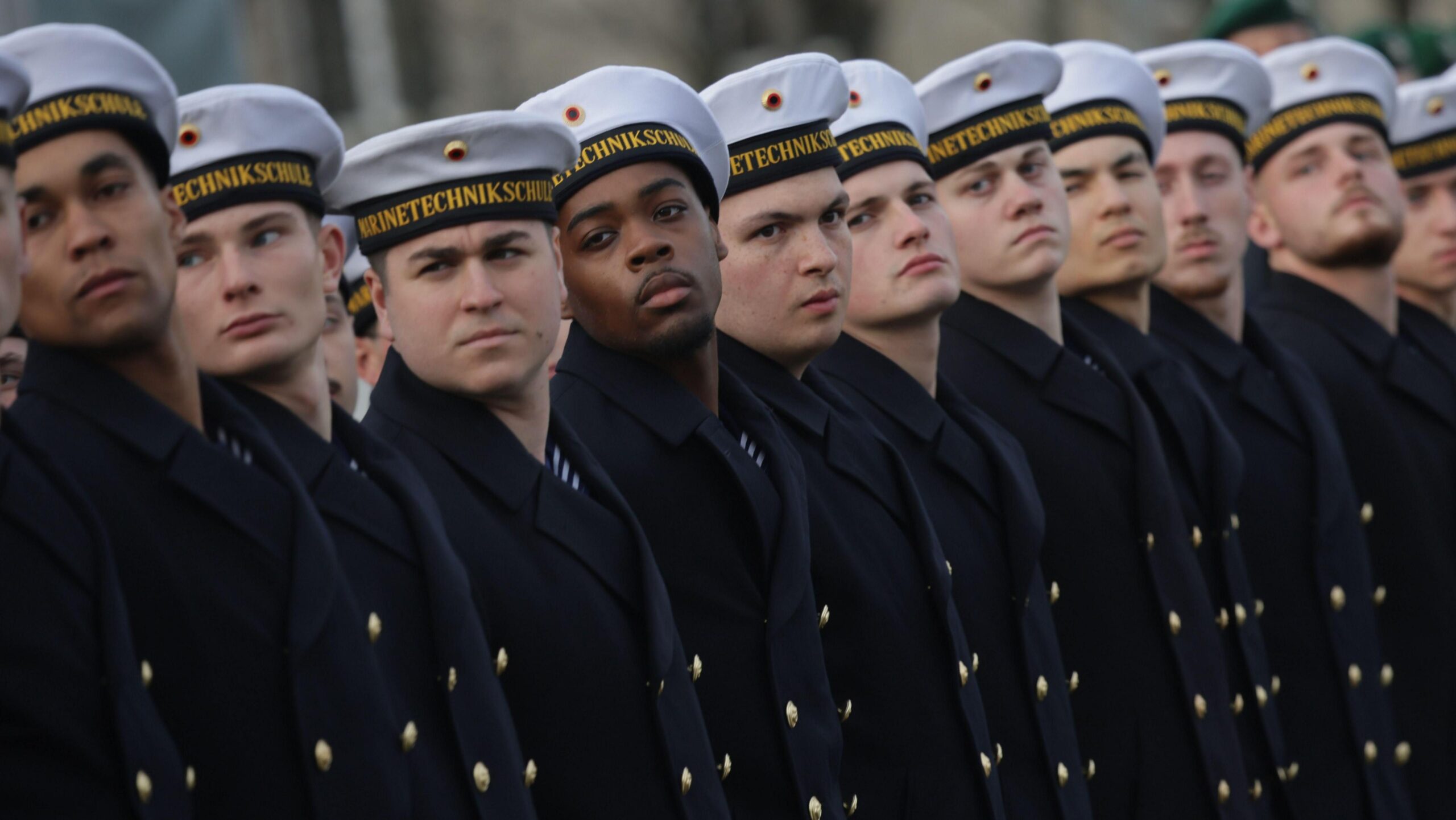
Germany’s coalition government has reached a long-debated agreement on reviving military service, a shift driven by growing security concerns and an ambition to build Europe’s most capable conventional force. After months of political friction, Berlin now plans to require all 18-year-old men to complete a suitability questionnaire and, beginning in 2027, undergo mandatory medical screening. Women will receive the same questionnaire, though completion will remain voluntary.
The proposal reflects a broader urgency within German leadership. Defence officials have warned that Europe must brace for a potentially volatile decade, with NATO’s top commanders urging member states to prepare for the possibility of Russian aggression. Rheinmetall chief executive Armin Papperger, whose company sits at the centre of Europe’s rearmament efforts, believes Germany’s goal of strengthening the Bundeswehr is within reach if political momentum holds. He described the government’s recent decisions as unusually decisive.
At present, the Bundeswehr fields roughly 182,000 active personnel. The new service model is intended to lift that number to at least 200,000 within a year and to as many as 260,000 over the next decade, supported by a substantial reservist pool. If voluntary participation fails to meet expectations, lawmakers may consider introducing compulsory enlistment—a politically fraught step in a country where conscription has deep historical sensitivities.
The plan has struck a nerve among younger Germans. While national polls suggest broad, if cautious, support for some form of mandatory service, younger adults remain overwhelmingly opposed. At a recent protest outside the Bundestag, students described the policy as an intrusion on personal freedom and an unnecessary reaction to what they see as distant threats. Their concerns contrast sharply with the motivations of new recruits who see military service as a contribution to stability and a hedge against geopolitical uncertainty.
Read Also: Hasina Rejects Allegations Ahead Of Crucial Verdict
Defence Minister Boris Pistorius has attempted to ease anxiety, arguing that the goal is deterrence, not escalation. Stronger armed forces, he says, reduce the likelihood of Germany being drawn into conflict at all.
Germany’s long-standing reluctance to project military power began to shift after Russia’s invasion of Ukraine. Chancellor Friedrich Merz now argues that defence policy must follow a simple rule: act with whatever means are required to safeguard the country. That recalibration, combined with pressure from Washington for greater European defence spending, has fuelled a boom for Germany’s defence industry—even as the public continues to wrestle with the implications of a more assertive military posture.