
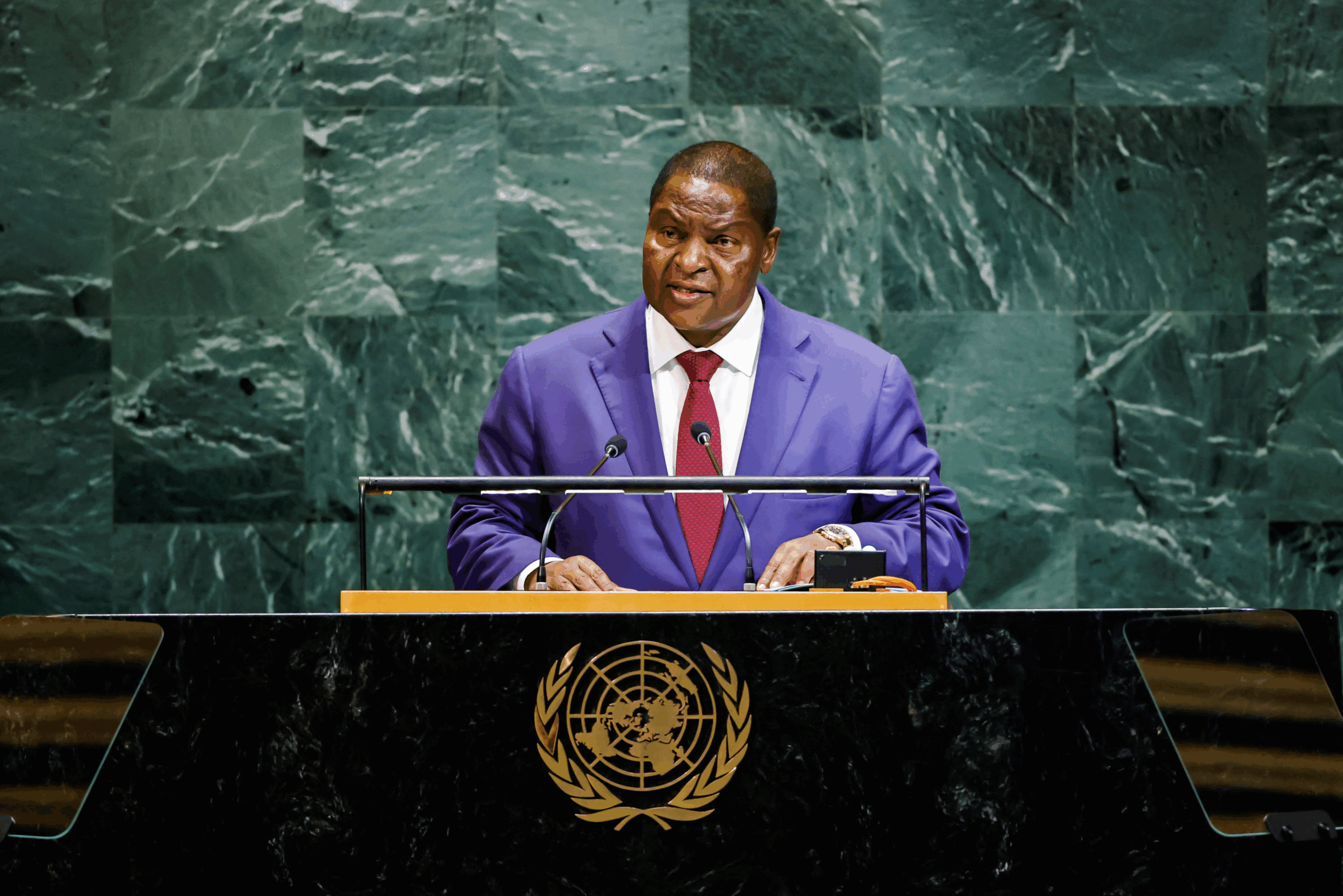
The White House says United States President Donald Trump will receive the leaders of Rwanda and the Democratic Republic of the Congo on Thursday, culminating months of shuttle diplomacy over one of Africa’s most protracted conflicts. Press secretary Karoline Leavitt announced that DRC President Felix Tshisekedi and Rwanda’s President Paul Kagame are expected to sign what she called a “historic peace and economic agreement” negotiated under Trump’s watch.
Thursday’s meeting follows a trail of earlier accords. In June, the foreign ministers of both countries endorsed a preliminary understanding at the White House. By November, the two sides reconvened in Qatar to sign a framework aimed at halting decades of cross border instability and setting up a pathway to economic cooperation.
At the heart of the crisis lies the M23 rebellion, a force dominated by ethnic Tutsi fighters that first rose in North Kivu more than ten years ago. Its origins track back to the trauma of the 1994 genocide in Rwanda, and the group is one among hundreds operating in eastern DRC’s chaotic security landscape. The rebels reemerged in 2021, with Kinshasa accusing Kigali of offering material support. Rwanda denies arming the movement, insisting its actions in the border region are defensive and targeted at hostile militia.
Read also: Trump Signals Lengthy Freeze On US Asylum Decisions
The renewed violence has taken a punishing toll. Civilians have borne the brunt of the fighting, which escalated sharply earlier this year when the M23 seized two major cities. Sporadic clashes have continued despite diplomatic overtures. The UN human rights office reported that at least 319 civilians were killed in North Kivu in July, attributing the attacks to M23 fighters allegedly backed by elements of the Rwanda Defence Force, a claim Kigali rejects.
The contours of the final deal remain murky. In Doha, negotiators signed only two of the eight planned implementation protocols, covering ceasefire monitoring and prisoner exchange. Other pillars, including the return of displaced communities, humanitarian corridors, economic restructuring, reintegration of armed actors, and the dismantling of foreign militias, were left unresolved. Kinshasa has maintained that any durable settlement must guarantee the country’s territorial integrity.
Trump, for his part, has framed the process as proof of his ability to end long running global conflicts, positioning the agreement as another diplomatic win since he took office in January.