
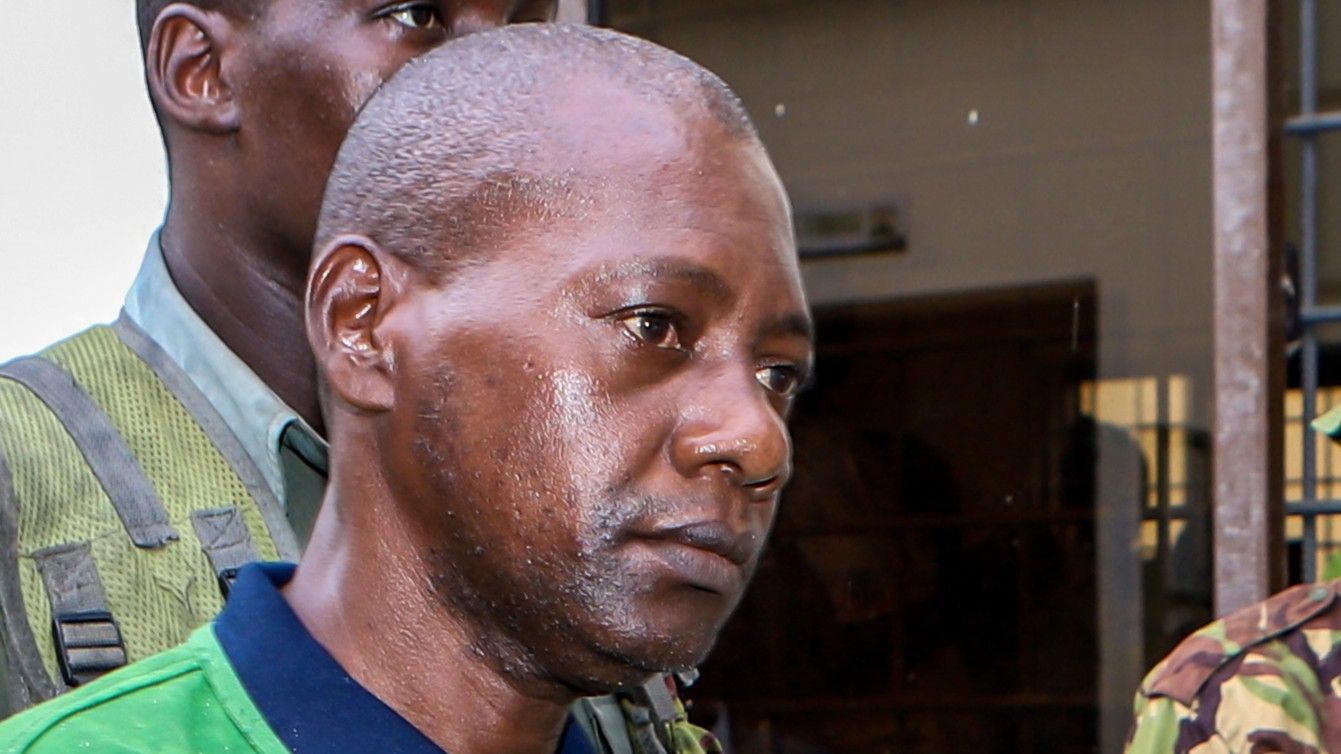
A Kenyan self proclaimed preacher and seven co accused have been charged over the deaths of dozens of people whose bodies were recovered from shallow graves in Kilifi County on the country’s southeastern coast, prosecutors said on Wednesday.
The Office of the Director of Public Prosecutions said Paul Mackenzie, founder of the Good News International Church, faces counts including organized criminal activity, radicalization and facilitating the commission of a terrorist act. The charges relate to the deaths of at least 52 people in the Kwa Binzaro area of Chakama, a rural settlement about 30 km inland from Kenya’s Indian Ocean coastline.
All eight defendants entered not guilty pleas in court, according to judicial officials. The case is due back before the court on March 4 for further proceedings.
In a statement released by the prosecution, authorities said the accused “promoted an extreme belief system by preaching against the authority of the government, adopted an extreme belief system against authority, and facilitated the commission of a terrorist act.”
The new charges are linked to, but legally distinct from, earlier proceedings connected to mass deaths uncovered in the nearby Shakahola Forest, an area of scrubland and woodland where many followers of Mackenzie’s ministry had relocated in recent years.
Police investigations began in April 2023 after relatives reported missing family members believed to have joined the church community. Security officers searched property associated with the group and began excavations that uncovered numerous graves spread across the forest.
Read also: Nigeria’s Zenith Bank Eyes Ethiopia As Banking Sector Opens Up
Over the following months, teams of forensic specialists and pathologists conducted exhumations under court supervision. By 2025, prosecutors said more than 400 bodies had been recovered, making the case one of the largest investigations involving a religious group in Kenya’s modern history.
Authorities allege members of the church were instructed to undertake prolonged fasting in preparation for what they were told would be the end of the world. Prosecutors say adults were encouraged to starve themselves and their children. Mackenzie has denied the accusations and has not been convicted.
Post mortem examinations found that many victims died from starvation, investigators said. Others, including children, showed injuries consistent with strangulation, suffocation or blunt force trauma, according to official findings presented to court.
Mackenzie had previously pleaded not guilty to multiple counts of manslaughter in a separate trial in the coastal city of Mombasa and has remained in custody since his arrest in 2023 while prosecutors pursue several related cases.
The Kwa Binzaro investigation began after additional graves were discovered in 2024 in another remote settlement near Shakahola. Prosecutors allege Mackenzie coordinated activities at the site and continued to exert influence over followers even after he was detained.
Court filings state the accused used religious teachings to recruit adherents and direct them to isolated areas. Defence lawyers have rejected the allegations, saying the prosecution has yet to demonstrate criminal intent or direct responsibility for the deaths.
Read further: Uganda Military Chief’s Bobi Wine Death Remark
The case has drawn national attention in Kenya, a country where Christianity is the dominant religion and thousands of churches operate alongside smaller independent ministries. Religious gatherings and revival movements are common in rural areas, often functioning with limited formal oversight.
Officials have said the government is considering stricter regulation of religious organisations. Separate reports by a Senate committee and a state funded human rights watchdog concluded that authorities may have been able to prevent some of the deaths had earlier complaints from families been acted upon more quickly.
Police investigations remain ongoing, with forensic examinations, witness interviews and financial inquiries continuing, authorities said. Prosecutors indicated further charges could follow depending on the evidence gathered.
The March 4 hearing is expected to address procedural matters and evidentiary issues as the court prepares the case for trial.