
US President Donald Trump has announced the reversal of a major climate policy first introduced during the administration of former President Barack Obama, a move that could significantly reshape how the United States regulates greenhouse gas emissions.
At the centre of the decision is the 2009 “endangerment finding,” a scientific determination made by the Environmental Protection Agency (EPA) which concluded that several greenhouse gases — including carbon dioxide and methane — pose a threat to public health and welfare. For more than a decade, this finding has served as the legal foundation for federal climate regulations, especially policies targeting vehicle emissions and industrial pollution.
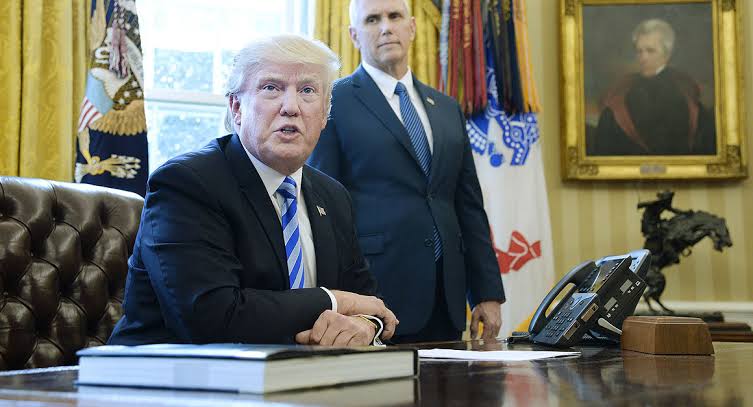
Announcing the reversal from the Oval Office, Trump described the Obama-era ruling as harmful to American businesses and consumers. The White House called the move the “largest deregulation in American history,” arguing that rolling back the policy would reduce production costs for automakers and lower vehicle prices by as much as $2,400 per car. Administration officials also claimed the decision could save the US economy over $1 trillion by easing restrictions on energy production and manufacturing.
Supporters of the rollback say the existing rules placed an excessive burden on the economy. Some former transportation officials argue that strict emissions standards drove manufacturing overseas, particularly to countries with less stringent environmental regulations. They claim removing the finding could encourage domestic production and reduce costs for industries struggling under regulatory pressure.
However, environmental advocates and climate scientists strongly disagree. Groups such as the Environmental Defense Fund warn that dismantling the endangerment finding could weaken federal authority to limit pollution across multiple sectors, including power plants, oil and gas operations, aviation and waste management. Critics say the policy shift may lead to higher fuel consumption, increased air pollution and long-term health consequences for Americans.
The endangerment finding originally emerged at a time when Congress was divided over climate legislation. Without a new law to address rising global temperatures, the EPA relied on existing authority under the Clean Air Act to regulate greenhouse gases. Legal experts say the 2009 decision became the “lynchpin” of US climate policy, providing a scientific and legal basis for regulating emissions from vehicles and other industries.
Read Also: Study Finds Harmful Chemicals In Some Synthetic Hair Extensions
Former President Obama publicly criticised the rollback, warning that eliminating the finding could leave Americans more vulnerable to environmental risks. He argued that weakening climate protections would undermine efforts to combat global warming while benefiting fossil fuel companies.
Environmental researchers have also raised concerns about potential health impacts. Analysts estimate that loosening emissions standards could result in higher fuel costs for consumers over time and lead to increased rates of respiratory illnesses. Some projections suggest that rolling back regulations could contribute to thousands of additional premature deaths and millions of asthma cases if pollution levels rise.
The decision may also create uncertainty within the auto industry. While deregulation could lower manufacturing costs in the short term, experts note that many international markets are moving toward stricter emissions rules and electric vehicle standards. If US-made vehicles become less fuel-efficient, they may struggle to compete globally, placing American automakers in a difficult position.
Legal battles are expected to follow. Environmental organisations and several US states have already indicated plans to challenge the reversal in court. Some legal analysts believe the administration may be seeking a definitive ruling from the US Supreme Court that could permanently weaken federal authority to regulate greenhouse gases without new legislation from Congress.
The controversy also highlights ongoing debates over climate science. A panel assembled by the US Department of Energy previously released a report questioning aspects of mainstream climate research, which helped shape the administration’s proposal to overturn the finding. However, many scientists criticised the panel, arguing that it excluded key experts and relied on disputed conclusions. A federal judge has since ruled that the formation of the group violated procedural requirements, adding another layer of legal complexity to the issue.
Read Also: French Woman Arrested Over Two Dead Babies In Freezer
Observers say the policy shift could have unexpected consequences beyond environmental regulation. In the past, the endangerment finding allowed federal authorities to override certain state-level climate rules while also limiting some climate-related lawsuits. With the finding removed, states and advocacy groups may attempt new legal strategies in local courts, potentially leading to years of litigation over the scope of federal climate powers.
Despite the administration’s claims of economic benefits, critics argue that the rollback represents one of the most significant challenges to US climate policy in modern history. Environmental groups believe the courts will ultimately decide whether the government can permanently abandon the scientific basis that has guided emissions regulations for more than a decade.
As the legal fight unfolds, the reversal marks a major turning point in America’s approach to climate change — setting up a broader political and legal battle over how the country balances economic growth, environmental protection and public health in the years ahead.