
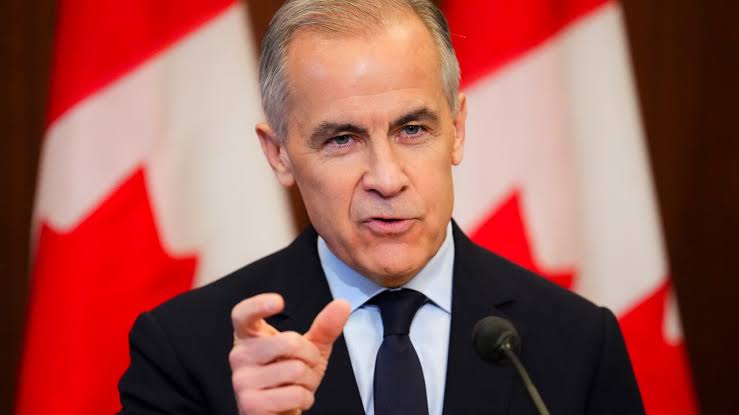
The official purpose of the visit was to unveil a preliminary agreement with Premier Danielle Smith laying the groundwork for a crude oil pipeline — a project that represents genuine ideological compromise between a Liberal prime minister who built his brand on climate policy and a populist provincial leader who has spent years arguing that federal environmental regulation is a sustained attack on Alberta’s economic identity. Carney attached conditions to the deal, including more stringent industrial carbon pricing and a new carbon capture project, giving his party’s base something to point to while giving Smith a pipeline announcement she can take to her own electorate.
The separatist movement hovering over the visit had just suffered a significant legal blow. On Wednesday, a provincial court ruled that Elections Alberta’s chief electoral officer had been wrong to allow the Alberta Prosperity Project to collect signatures for a secession referendum without first triggering consultation with Indigenous peoples whose treaty rights would be directly implicated by Alberta’s departure from Canada. Justice Shaina Leonard was explicit: “Alberta independence would fundamentally contravene” the land treaties Indigenous peoples signed with Canada. The ruling halted the signature validation process for a petition that the separatist group Stay Free Alberta claimed had surpassed 300,000 names — a figure that, if accepted, would have been sufficient to force a referendum under legislation Smith’s government quietly made easier to trigger.
Read also: Altman Expresses Remorse For Canadian Mass Shooter Oversight
Smith called the court decision “incorrect in law” and said her government would appeal. She has walked the separatist question with the care of someone who does not personally advocate secession but has no interest in being seen as opposing the third of Albertans who do. The legislation she oversaw lowering the signature threshold for referendum petitions is the clearest expression of that positioning — she created the mechanism without endorsing the destination.
Leaders of the Alberta Prosperity Project have operated in territory that makes the federal government visibly uncomfortable. Earlier this year, members of the group met with officials from the US State Department and held what they described as positive discussions about the logistics of a possible secession — conversations that, regardless of what was actually said, handed Carney’s opponents a potent symbol of American interest in Canadian fragmentation at precisely the moment Trump was applying maximum tariff pressure on the country.
Carney has been pushing a united Canadian front as his central response to Trump’s economic aggression, arguing that the threat from Washington makes internal solidarity a matter of national survival rather than political preference. That argument lands differently in Alberta, where many voters have spent years feeling that their economic model — built around oil and gas — is treated by Ottawa as a problem to be managed rather than an asset to be developed.
Read also: Mexico Says Slain CIA Agents Lacked Official Authorization
Adrienne Davidson, a political science professor at McMaster University, told Reuters that Carney’s visit requires its own careful navigation on the separatist question. “It could be dangerous for Carney if he steps into the conversation about Alberta and tries to dismiss the sovereignty idea,” Davidson said. “It could be seen as Ottawa just trying to run the show and could absolutely backfire for him.”
The pipeline deal is the alternative to that conversation — a material demonstration that the federal government can deliver something Alberta wants, timed to arrive when the separatist movement is legally wounded but not politically finished. A third of Albertans supporting secession is not a fringe. It is a constituency large enough to define elections, sustain movements and keep premiers calculating their positioning with one eye permanently on what the province’s most aggrieved voters will tolerate.
Carney came with a deal. Smith stood beside him at the announcement. The court ruling bought time. Alberta’s grievance did not go anywhere.