
Smoking, Alcohol, Cannabis And Reproductive Damage
Toxins do not ask permission before entering semen, follicles, vessels, or placenta.
Smoke reaches reproduction through blood, vessels, ovaries, testes, the placenta, and the ordinary choices of a day. A cigarette is not a private habit sealed off from the fertility file. It is repeated vascular exposure, delivered casually and often, alongside oxidative stress and low-grade inflammation that the smoker rarely feels. Men tend to notice a weaker erection long before they think about their sperm. Women often think about pregnancy only after years of tobacco or vaping have already touched the ovaries, the heart, and the risks that pregnancy will later carry.
Nicotine products deserve blunt language, because a lot of readers file vaping under something cleaner than smoking. The delivery changed; the dependence and the vascular exposure did not vanish. Combustible tobacco carries the wider chemical load, but a vape is not a fertility-safe accessory for a couple trying to conceive. Once conception is the goal, any nicotine dependence becomes part of the audit, because the nicotine, the solvents, the flavoring agents, and the disrupted sleep that tends to travel with them all sit inside the same picture.
Male fertility can be damaged long before anyone says the words “male factor.” Smoking has been linked with lower sperm count, motility, and normal form across multiple reviews, and lifestyle analyses keep naming tobacco as one of the few reproductive risks a man can actually change (Bocu et al., 2024; Rotimi et al., 2024). Sperm are small cells with thin membranes, busy mitochondria, and tightly packaged DNA. Oxidative stress does not wait for a man to feel ill before it starts to wear on all three.
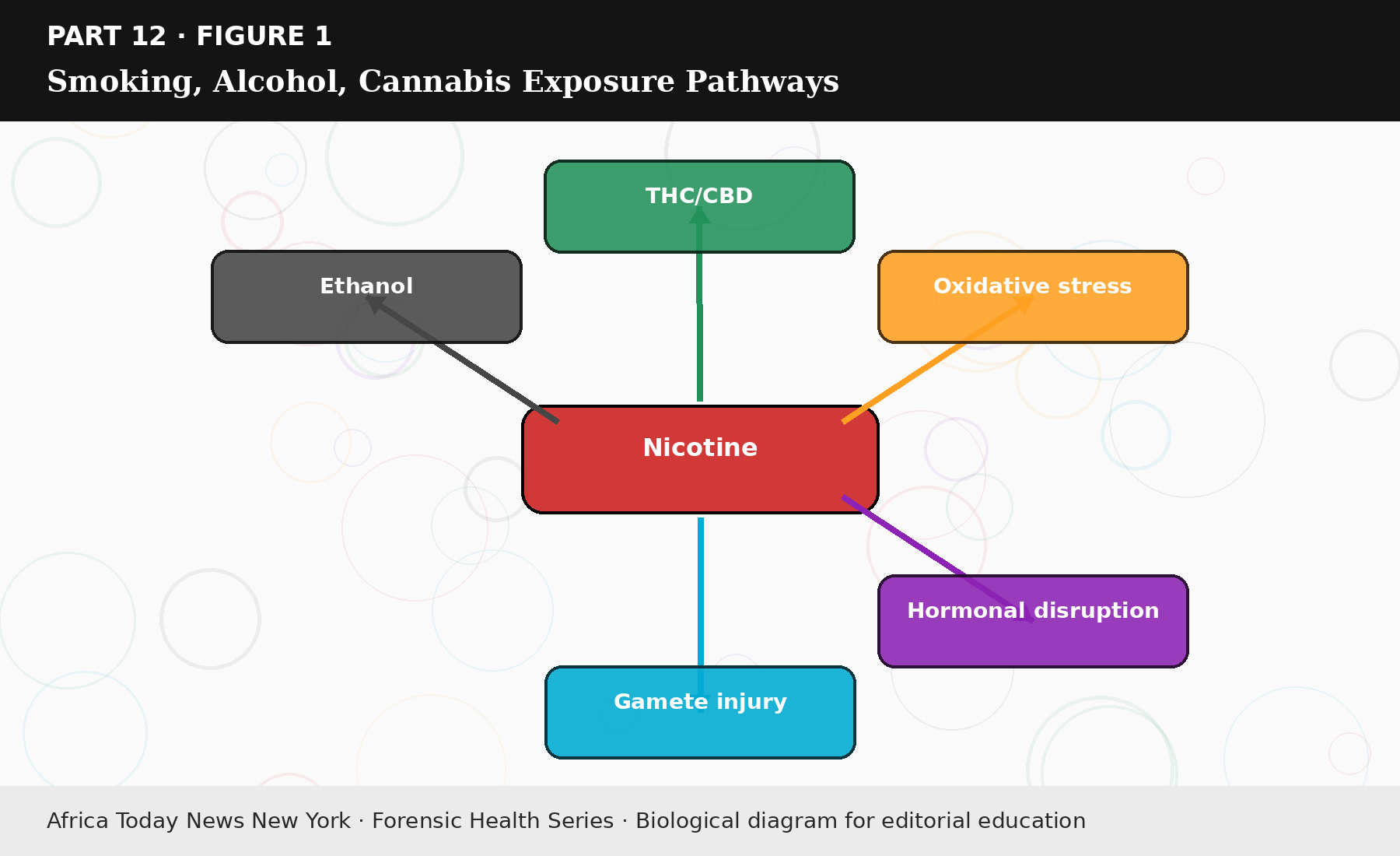
Figure 12.1: Smoking, Alcohol, Cannabis Exposure Pathways.
Alcohol behaves according to dose, pattern, and context. An occasional drink is not the same animal as heavy weekly use, binge nights, or the quiet nightly self-medication that props up a stressful season. Higher intake can drag on desire, erectile reliability, testosterone physiology, liver function, sleep, and mood, and it can leave its mark on a semen sample. For a woman trying to conceive, the calculation shifts, because early pregnancy can go unrecognized for weeks. A plan that says “we’ll stop once the test is positive” quietly accepts exposure during the most vulnerable window there is.
Cannabis now needs a more exact conversation than it usually gets, because legalization and cultural ease have outrun the reproductive caution. THC and related compounds act on signaling pathways that also help run sperm function, ovulation, implantation, and placental development. Recent reviews describe genuine evidence gaps, uneven study designs, and plausible risks on both the male and female side (Cameron et al., 2025). Uncertainty is not a green light to market cannabis as fertility-neutral, and a couple does not owe the dispensary the benefit of the doubt.
Read also: The Fertility Repair Series—Part 11
Men underestimate cannabis in particular, because it reads socially as relaxation rather than exposure. Depending on dose, frequency, and what it is combined with, it can show up in sexual function, sperm motility and form, DNA integrity, sleep, and motivation. A man using it daily while producing an abnormal semen analysis should not be reassured by dispensary slogans; the reasonable move is to stop and retest after a sensible interval. Women should treat it with the same caution, since preconception and early pregnancy are poor moments to experiment with a substance whose effects remain incompletely measured, and modern high-THC products bear little resemblance to older patterns of use.
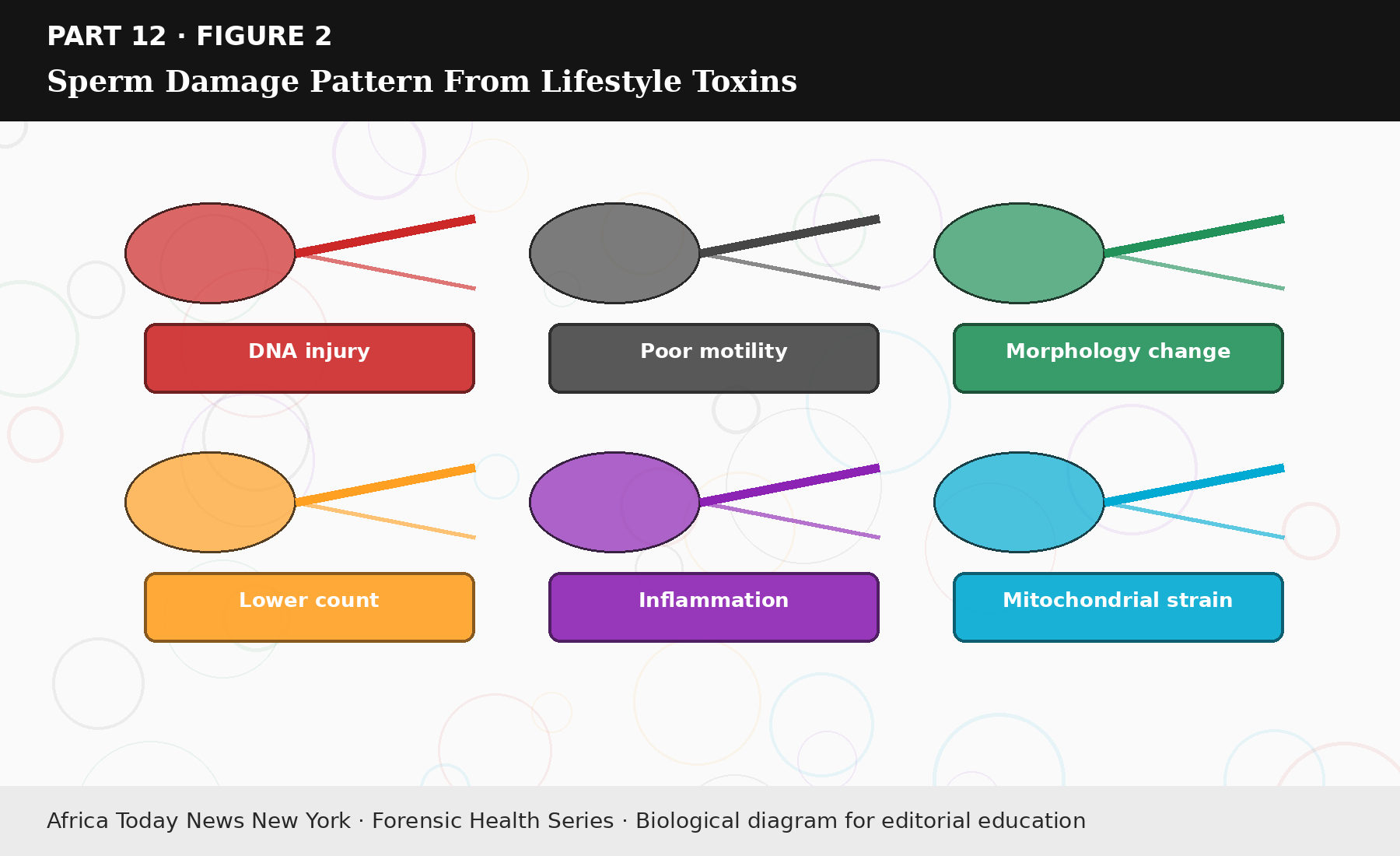
Figure 12.2: Sperm Damage Pattern From Lifestyle Toxins.
These exposures rarely travel alone, which is part of why they are missed. Smoking pairs with drinking; cannabis pairs with tobacco; alcohol pairs with poor sleep and simmering conflict. A couple looking for one villain may instead be living inside a pattern. Weekend binges swallow the fertile window. A joint deepens the avoidance in a man already anxious about his erections. A pack a day sits quietly next to untreated high blood pressure. The behavior and the biology keep reinforcing each other, and pulling one thread usually loosens the others.
Read also: The Fertility Repair Series II—Overview
Quitting works better when it is planned instead of performed for an audience. Nicotine replacement, counseling, a physician’s help, peer support, and a review of other medications may all belong in the plan. Couples often fail because they treat dependence as a character flaw, and shame drives the habit underground, where it keeps right on going. A fertility plan that asks whether someone smokes but offers no help to stop has only completed half a sentence. Honesty about quantity matters too: “social drinking” can mean one glass a month or four nights a week, so the useful questions are about the number, the pour, and whether sex tends to fail after a few.
Secondhand smoke earns its own line in the file. A woman who has never smoked may still be breathing it at home, in the car, at work, or in a family compound, and a partner who steps outside still carries residue back on his clothes, his breath, and the shared air. Advice that only asks whether the woman smokes misses the household and puts the burden on the wrong body. Withdrawal should be expected rather than romanticized, since irritability, broken sleep, and cravings can rattle the same couple trying to keep appointments and time intercourse.
The detox market deserves none of the trust it asks for. Teas, juices, saunas, foot pads, and bitter tonics do not undo nicotine dependence, alcohol injury, or cannabis exposure, and a few of them dehydrate, interact with medication, or simply postpone the real work. Gametes, vessels, liver enzymes, and sleep respond to what is repeated day after day, not to a weekend cleanse. Worse, some imported tonics and “detox” capsules have been tied to liver injury, so a product marketed as purification can become one more exposure the couple never accounted for.
Alcohol and cannabis also shape consent and sexual reliability in ways couples rarely discuss. Intoxicated sex may feel less painful in the moment and cost more afterward, because the underlying pain, erectile trouble, or avoidance is still there in the morning. Some couples start drinking or using specifically to make timed intercourse bearable, and that is a sign of a damaged sexual plan rather than a workaround for it. Conception should not depend on being sedated enough to go through with it.
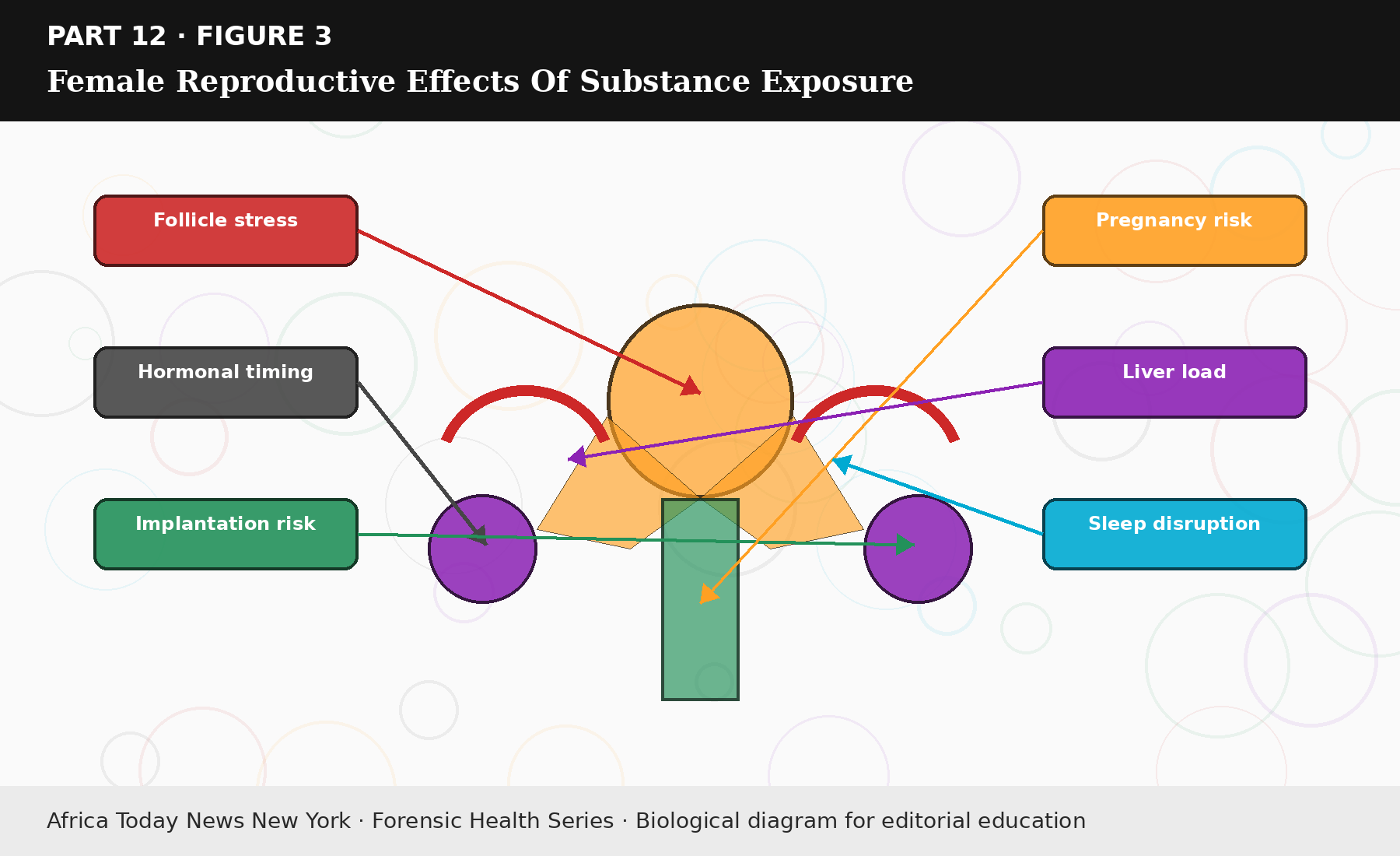
Figure 12.3: Female Reproductive Effects Of Substance Exposure.
A couple that clears out nicotine, heavy alcohol, and cannabis has not bought a pregnancy. What they have done is remove several avoidable injuries from the file, which is what natural medicine actually looks like once the costume comes off. Shared restraint also matters here: a man who expects his partner to carry every restriction while he changes nothing has misread what preconception care is for.
Source & Clinical Standards
Note: The data, diagnostics, and clinical benchmarks throughout this series are drawn directly from peer-reviewed medical literature, epidemiological data, and established global healthcare consensus. To protect the narrative rhythm of this digital layout, individual article bibliographies have been unified.
A complete master registry—cataloging all underlying source literature, clinical trials, and institutional frameworks (including the WHO, AUA/ASRM, ESHRE, and Princeton IV Consensus)—is compiled in full at the conclusion of the complete volume.