
Supplements For Women Trying To Conceive
“Pregnancy-safe” and “fertility-marketed” are not the same claim.
Women trying to conceive are sold two fantasies at the same time. The first says a baby will come once the womb is cleansed, warmed, balanced, detoxed, or opened. The second says a pill can stand in for diet, diagnosis, timing, and a proper medical evaluation. Both sell well because they meet a woman at the precise moment when hope, fear, family pressure, and the passing of time have become almost impossible to tell apart. That moment is when judgment is hardest and marketing is most persuasive.
There is a real core to preconception supplementation, and it begins with folic acid. The USPSTF recommends that anyone planning or capable of pregnancy take 0.4 to 0.8 milligrams, or 400 to 800 micrograms, of folic acid daily to lower the risk of neural tube defects (U.S. Preventive Services Task Force, 2023). That is not a fertility cure. It is fetal-risk reduction that has to be in place before many pregnancies are even recognized, which is exactly why it belongs in the routine early rather than after a positive test.
Prenatal vitamins are built to cover predictable nutritional needs, not to correct every reproductive disorder. Folic acid, iodine, vitamin D, iron, B12 for vegans or those who are deficient, omega-3 sources, and adequate calcium may all matter depending on a woman’s diet, labs, and history. Iron in particular should be tied to actual deficiency, because excess does harm, and vitamin D is better assessed than swallowed blindly in high doses. The guiding idea is unglamorous but sound: replace what is missing or genuinely at risk, and resist the urge to take more of everything as a form of insurance.
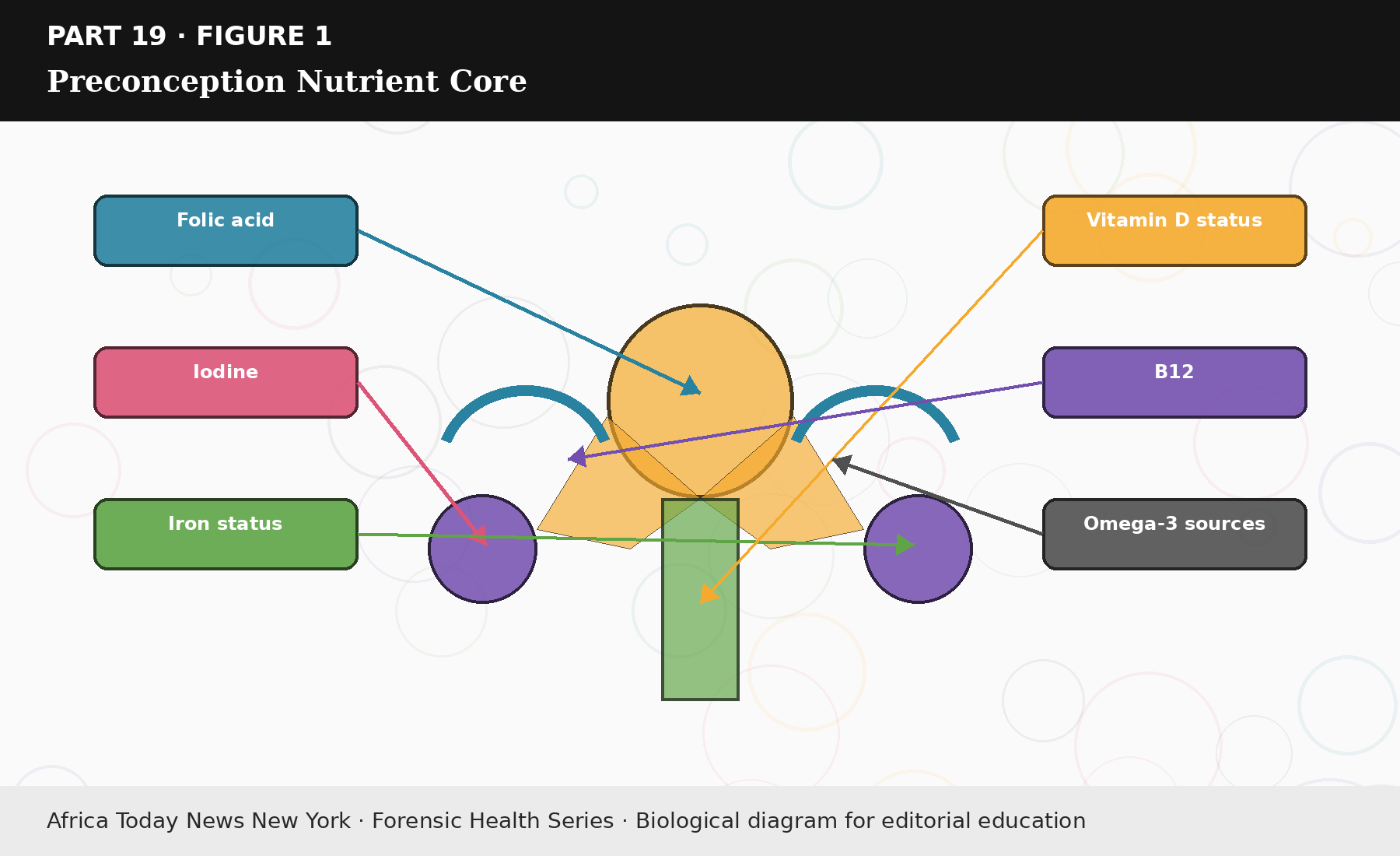
Figure 19.1: Preconception Nutrient Core.