
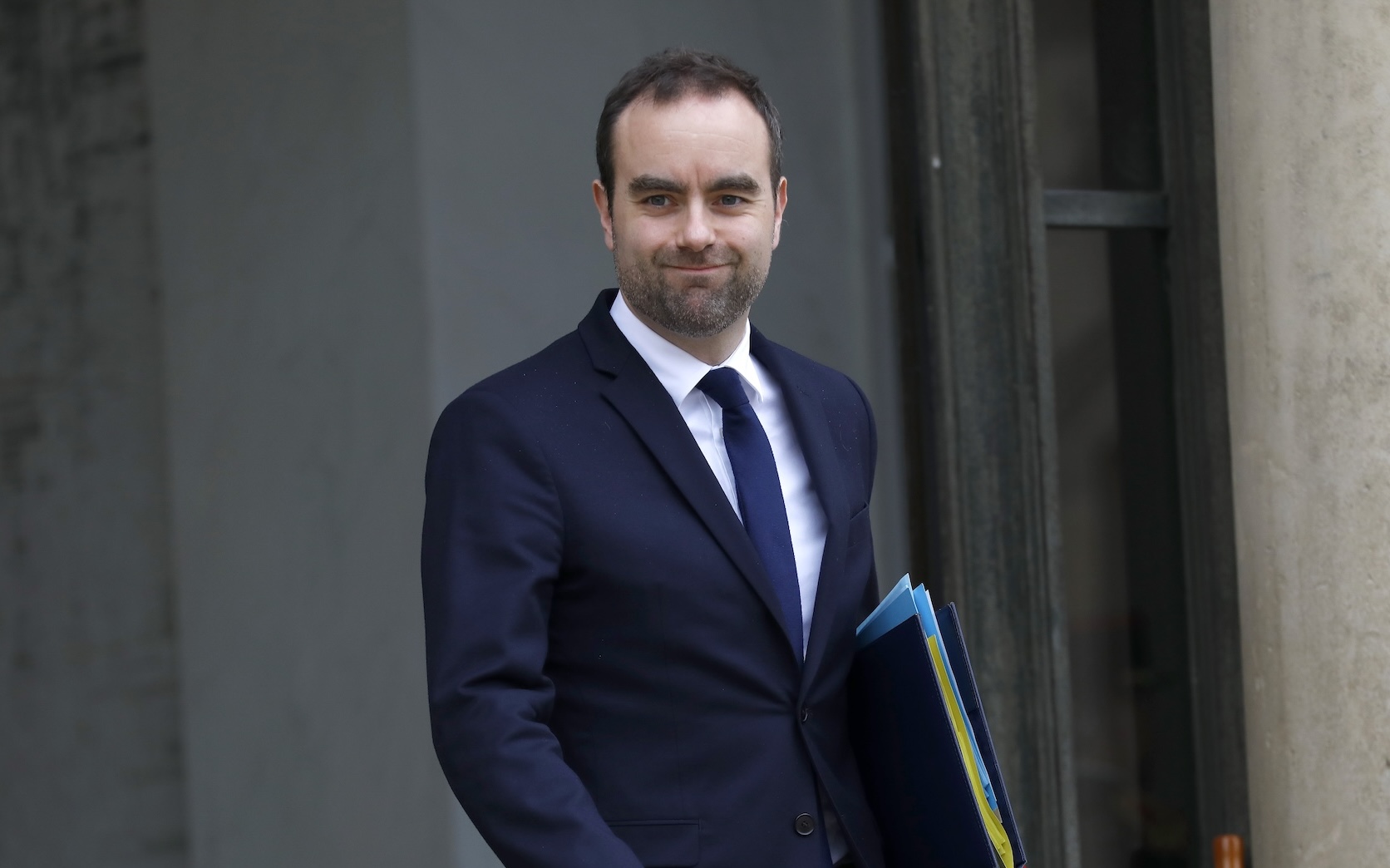
French Prime Minister Sébastien Lecornu narrowly survived two motions of no confidence Thursday after securing backing from the Socialist Party with a pledge to suspend President Emmanuel Macron’s controversial pension reform until after the 2027 election.
The two motions, one from the hard-left France Unbowed and another from the far-right National Rally, received 271 and 144 votes respectively, both well short of the 289 needed to topple the government. Though this preserves his days-old government, it goes to show the fragility of France politics.
Lecornu’s offer to suspend the pension reform until after the 2027 presidential vote was the only reason the Socialist Party did not pass a vote of no confidence. The Socialists traditionally opposed Macron’s pension plan and following what they needed, by postponing the pension plan, gave Lecornu just enough political breathing room to survive.
The left-wing motion was voted on first, garnering 271 votes,18 short of the threshold of 289. Moments later, the National Rally’s motion failed even more, receiving just 144 votes.
Read Also: Lecornu Returns As French PM After Macron’s Political Reset
Jordan Bardella, president of the National Rally (RN), took to X to condemn the outcome: “A majority cobbled together through horse-trading managed today to save their positions, at the expense of the national interest.”
Yaël Braun-Pivet, speaker of the National Assembly and Macron ally, framed the result as an opportunity: “The French need to know that we are doing all this work … to give them a budget, because it is fundamental for the future of our country.” She added: “I am pleased to see that today there is a majority in the National Assembly … work, the search for compromise, the best possible effort.”
Lecornu now faces delicate negotiations to pass the 2026 budget. Socialist members have already staked out demands, including proposals for a tax on billionaires.
Losing a future parliamentary vote would force Lecornu and his cabinet to resign, possibly pushing Macron into a snap election, an outcome many in Paris seek to avoid.
For months, France has struggled with severe political fragmentation ever since the 2024 legislative election produced a hung parliament. Macron’s 2023 pension reform, which raises the retirement age from 62 to 64, has long been a major reason for the conflict in the parliament.
Lecornu is attempting to steady the ship, but whether it can stay afloat depends on whether he can negotiate enough support to pass key budget measures.