
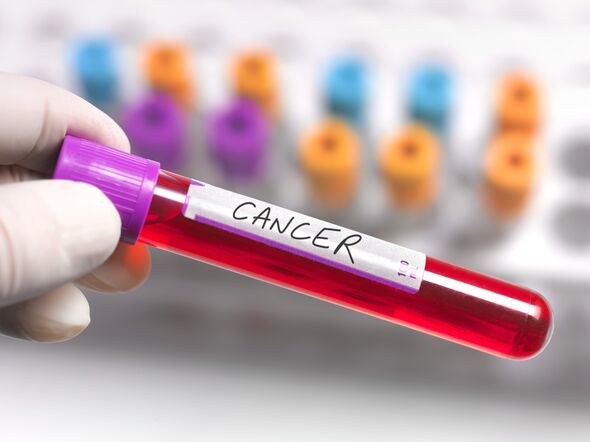
In what scientists are calling a potential “turning point” in global oncology, a new blood test has shown the ability to detect more than 50 types of cancer — including many that have no existing screening programmes — offering a glimpse of what could be the next frontier in early diagnosis.
The test, known as Galleri, was developed by the US biotechnology company Grail and works by identifying fragments of DNA shed by tumours into the bloodstream. Results from a North American clinical trial involving 25,000 participants revealed that the test correctly identified cancer in more than six out of ten people who later received confirmed diagnoses, while ruling out the disease with over 99 percent accuracy in those who were cancer-free.
Researchers say the implications are immense. More than half of the cancers detected were caught in their earliest stages, when treatment is most effective and survival rates highest. Significantly, about three-quarters of those cancers currently have no formal screening methods, including ovarian, pancreatic, and liver cancers — diseases often discovered only after they have spread too far for cure.
Lead researcher Dr. Nima Nabavizadeh of Oregon Health & Science University told reporters that the data “could fundamentally shift how medicine approaches cancer screening — from late detection to prevention.” He said the test identified the origin of cancer in nine out of ten cases, allowing for faster, targeted treatment.
When combined with existing checks for breast, bowel, and cervical cancer, Galleri increased overall detection rates sevenfold, according to trial data.
Read also: Biden Undergoes Radiation Therapy For Prostate Cancer
The topline findings are being presented this weekend at the European Society for Medical Oncology (ESMO) Congress in Berlin. But experts have urged caution. “Mortality-based evidence will be essential before this test can reshape national screening policy,” warned Professor Clare Turnbull of the Institute of Cancer Research in London.
The UK’s National Health Service is currently running a three-year trial involving 140,000 people, with results due in 2026. A successful outcome could see the test expanded to one million citizens.
For Sir Harpal Kumar, Grail’s president of biopharma, the science is promising. “Most people who die from cancer do so because their disease is found too late,” he said. “Galleri aims to change that timeline.”
Still, Cancer Research UK’s Naser Turabi cautioned that the test must avoid “overdiagnosing cancers that may never cause harm.”
At this point, the medical community is watching closely. A single drop of blood, if these results hold, could one day give doctors the power to find and fight dozens of cancers before they become deadly.