
The European Union is set to approve a plan in principle to use frozen Russian assets to fund Ukraine over the next two years, but Belgium is threatening to block the move without stronger legal guarantees, sources said.
Swedish Prime Minister Ulf Kristersson said he sensed “broad support” for the proposal, while Finnish leader Petteri Orpo expressed hope that the European Commission would soon formalize a mechanism so the assets can be deployed next year.
Belgium, which hosts Euroclear, the securities depository holding the largest tranche of frozen Russian assets (valued at about $225 billion), has voiced serious misgivings. Prime Minister Bart De Wever said he had “not even seen the legal basis for the decision yet” and threatened to halt the plan unless Belgium’s concerns are addressed.
In response, German Chancellor Friedrich Merz said he shared Belgium’s concerns but remained optimistic a consensus could be reached.
Read Also: Trump-Putin Budapest Summit Postponed Amid Ceasefire Deadlock
EU foreign affairs chief Kaja Kallas said the bloc was ready to construct a mechanism ensuring Belgium obtains the legal protections it seeks, noting that risks tied to Russian assets must be shared among member states.
Ahead of the summit in Brussels, EU Council President António Costa announced that EU leaders will agree “in principle” to finance Ukraine through 2026 and 2027, directing the European Commission to flesh out the legal framework.
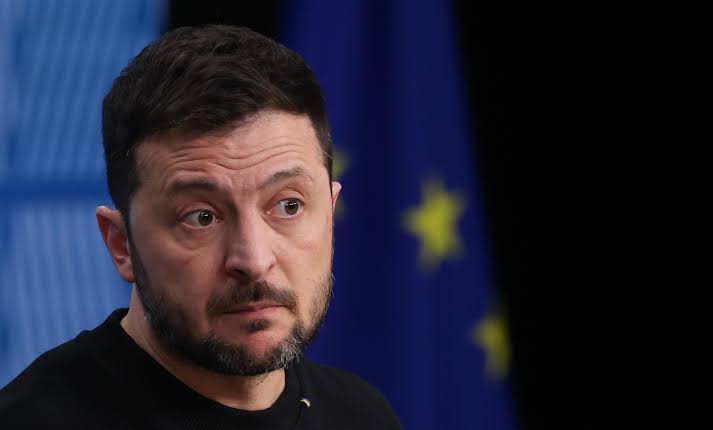
Ukrainian President Volodymyr Zelenskiy, attending the summit, called for swift approval of the plan. The proposal under discussion would channel €140 billion in “reparations loan” funding — backed by frozen Russian assets — to Ukraine. He urged that decisions not be delayed, warning that lives are at stake.
Under the draft terms, Ukraine would begin repayment only when Russia pays reparations for war damage. But disagreements linger over whether Kyiv should have full discretion over the funds or be restricted to using them for European-produced arms.
While interest from frozen Russian assets has already been used to support Ukraine via G7 loans, outright confiscation remains a legal and political red line. ECB President Christine Lagarde has warned that the plan must comply with international rules lest Europe compromise the integrity of the euro and investor confidence.