
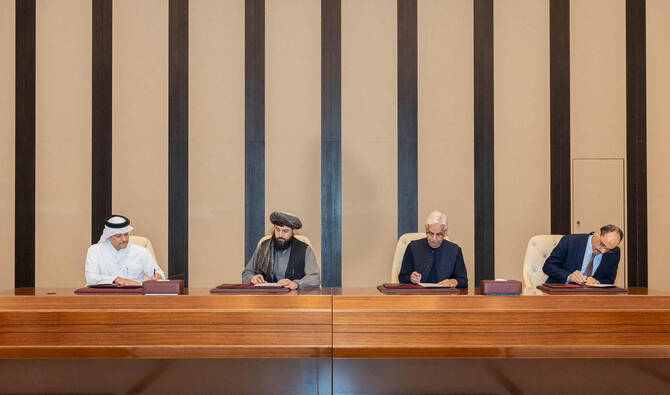
Afghanistan and Pakistan are set to resume peace negotiations in Istanbul on Thursday, officials from both countries confirmed, in a renewed attempt to prevent further border violence after last month’s deadly clashes that left dozens dead — the worst fighting between the neighbors since the Taliban’s return to power in 2021.
The discussions come just two weeks after a ceasefire deal signed in Doha on October 19 failed to produce a lasting truce. The previous round of Istanbul talks broke down over Pakistan’s demand that the Taliban government curb militant groups launching attacks from Afghan territory, a charge Kabul denies.
“We hope that wisdom prevails and peace is restored in the region,” Pakistan’s Defense Minister Khawaja Asif told reporters on Wednesday, emphasizing that Islamabad’s delegation would pursue a “one-point agenda” focused on halting cross-border militant attacks.
Read Also: Deadly Quake Hits Afghan North: 7 Dead, 150 Injured
According to two government sources, Lieutenant General Asim Malik, head of Pakistan’s military intelligence, will lead Islamabad’s delegation. Abdul Haq Wasiq, Afghanistan’s intelligence chief, will represent Kabul, Taliban spokesperson Zabihullah Mujahid told state broadcaster RTA.
The meeting, facilitated by Turkish officials, aims to restore calm along the 2,600-kilometer (1,600-mile) frontier, where trade has been suspended and skirmishes have continued despite the ceasefire.
Pakistan accuses the Taliban of sheltering the Tehrik-i-Taliban Pakistan (TTP), a separate militant faction that has carried out numerous attacks on Pakistani forces. Kabul rejects this, saying it has no control over the TTP and accuses Islamabad of violating Afghan sovereignty with repeated airstrikes inside Afghan territory, including in Kabul last month.
Those strikes, targeting alleged TTP leaders, triggered retaliatory attacks by Taliban forces on Pakistani military posts along the border, escalating into some of the heaviest fighting since 2021.
Pakistan and the Taliban long maintained close relations, with Islamabad historically backing the group diplomatically. However, ties have deteriorated sharply over the past two years as violence surged and mutual accusations deepened.
The Doha ceasefire raised hopes of easing tensions, but fighting has persisted in border districts, with multiple casualties reported on both sides, according to local and international observers.