
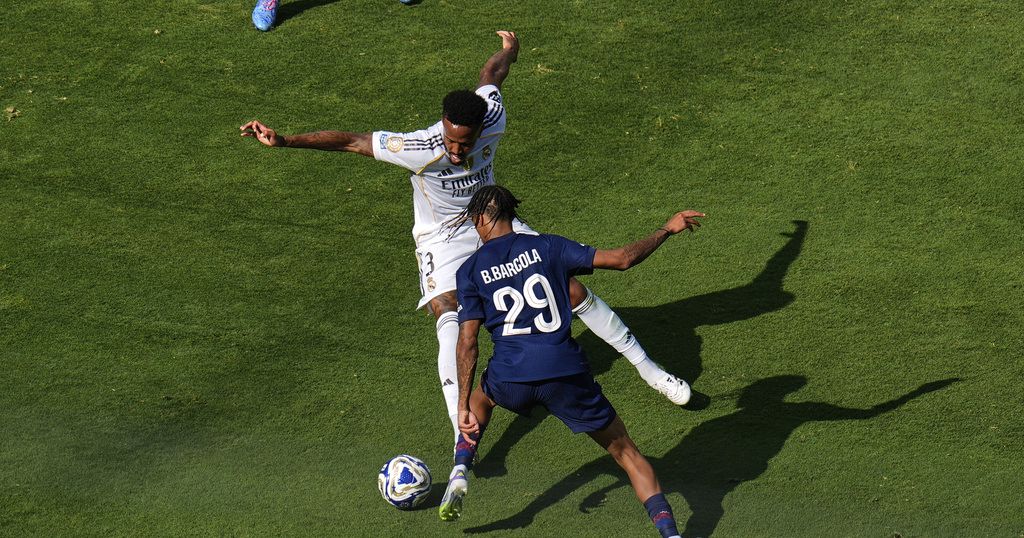
FIFA is taking decisive steps to improve player welfare by pledging to abolish rapid match turnarounds that have long been criticized for overburdening players and increasing the risk of injury. The governing body is proposing a mandatory 72-hour recovery period between matches across all competitions — a move that could significantly reshape fixture scheduling in global football.
The proposal, which forms part of FIFA’s ongoing discussions about the new International Match Calendar set to begin in 2031, aims to ensure that players are given adequate time to rest, recover, and prepare between games. While the rule will not come into effect immediately, it signals FIFA’s recognition of the growing strain placed on elite footballers amid congested fixture lists.
The issue of player fatigue has been particularly evident in recent seasons. Manchester United, for example, have played 46 matches since the 2022–23 season without enjoying a full three-day rest, often facing tight turnarounds between European fixtures and Premier League games. Such scheduling has drawn increasing concern from managers, players’ unions, and medical experts who argue that the relentless pace of top-level football compromises both performance and health.
FIFA’s proposed solution would set a universal standard — requiring all domestic leagues, continental tournaments, and international competitions to adhere to a minimum 72-hour rest window between official matches. This move could force major scheduling adjustments, particularly for clubs involved in multiple competitions such as the Champions League, domestic cups, and league campaigns.
Read Also: Cole Palmer Wins Trademark For His ‘Cold’ Nickname, Move
Player welfare groups, including FIFPRO, have consistently urged governing bodies to prioritize rest periods amid the growing commercialization of the sport. According to recent studies, insufficient recovery time increases the risk of muscle injuries by up to 25%, while also contributing to mental exhaustion and burnout among professional athletes.
While some leagues may resist the changes due to broadcasting and commercial commitments, FIFA’s initiative marks a crucial step toward sustainable player management in modern football. If successfully implemented, the 72-hour rule could redefine competitive balance and extend players’ careers — ensuring that football’s relentless schedule no longer comes at the expense of those who make the game possible.