
Britain plans to make refugee status temporary and extend the wait for permanent settlement to 20 years as part of the most far-reaching redesign of its asylum system in decades, the government announced on Saturday. The Labour administration says the reforms aim to curb irregular migration, particularly small-boat crossings from France, and respond to rising voter concern over immigration.
The measures place the UK closer to Denmark’s restrictive asylum model, which has reshaped refugee protection policies across parts of Europe and drawn criticism from human-rights groups.
Under the overhaul, the automatic path to settlement after five years, long considered one of the most generous systems in Europe, will be replaced with temporary protection status, reviewed every two and a half years, according to the Home Office.
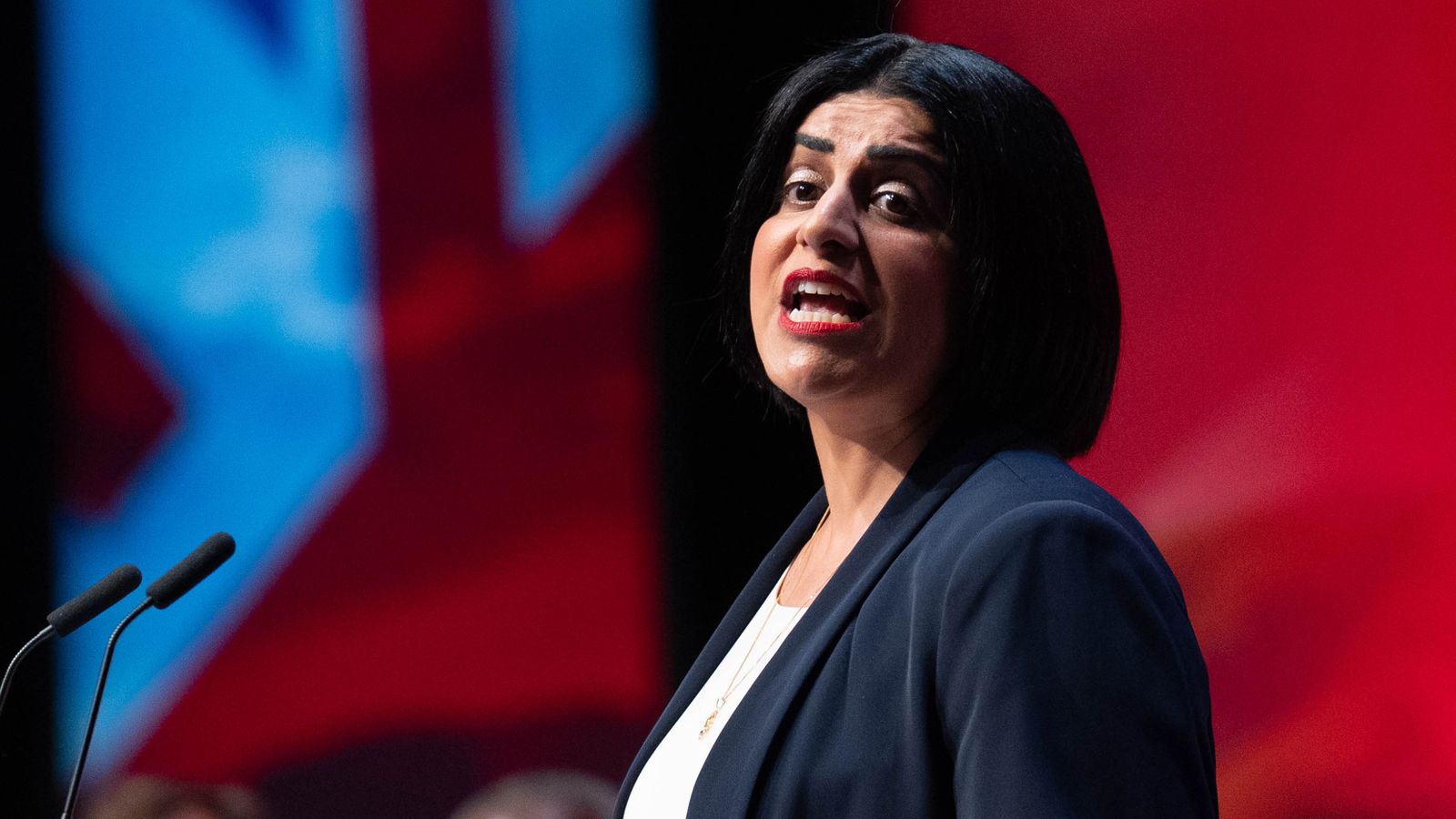
Home Secretary Shabana Mahmood said the goal is to ensure refugee protection is tied to ongoing risk rather than long-term entitlement.
“Our system is particularly generous compared to other countries in Europe, where, after five years, you’re effectively automatically settled in this country,” she told Sky News on Sunday. “We will change that.”
She added that the new pathway would mean a “much longer route to permanent settlement in this country, 20 years.”
The Home Office said refugee protection could be revoked if a person’s home country is later deemed safe, mirroring rules in Denmark.
Read Also: UK: MP Demands “Shutdown Of Elon Musk’s AI” After Defamation
As part of the reforms, the statutory duty to provide housing and weekly allowances to certain asylum seekers will be removed.
Support would be restricted for individuals deemed capable of working but refusing to do so, as well as for those who commit offenses, the Home Office said.
Taxpayer-funded assistance, the department added, will be prioritized for people who contribute to the economy or local communities.
Mahmood is expected to provide additional details on Monday, including how the government plans to reinterpret Article 8 of the European Convention on Human Rights — the provision protecting the right to family life. She said Article 8 was “being applied in a way that is designed to frustrate the removal of those that, under our immigration rules, would not have the right to be in this country.”
The tougher approach has triggered criticism from migrants’ organizations and humanitarian groups. More than 100 British charities wrote to Mahmood urging the government to “end the scapegoating of migrants and performative policies that only cause harm,” warning that such measures could fuel racism and community tensions.
The Refugee Council said in a post on X that refugees do not compare asylum systems when fleeing danger but come to the UK because of family ties, familiarity with English, or existing support networks.
Public concern over migration has grown sharply. Polling shows immigration has overtaken the economy as voters’ top priority, and protests have erupted outside hotels housing asylum seekers at public expense.
The number of people seeking asylum in the UK reached 109,343 in the year ending March 2025, a 17% increase from the previous year and above the previous record set in 2002, according to government figures.
Even as she unveiled stricter rules, Mahmood said Britain would expand “safe and legal routes” for people genuinely fleeing danger. “Britain should play its part,” she said.