
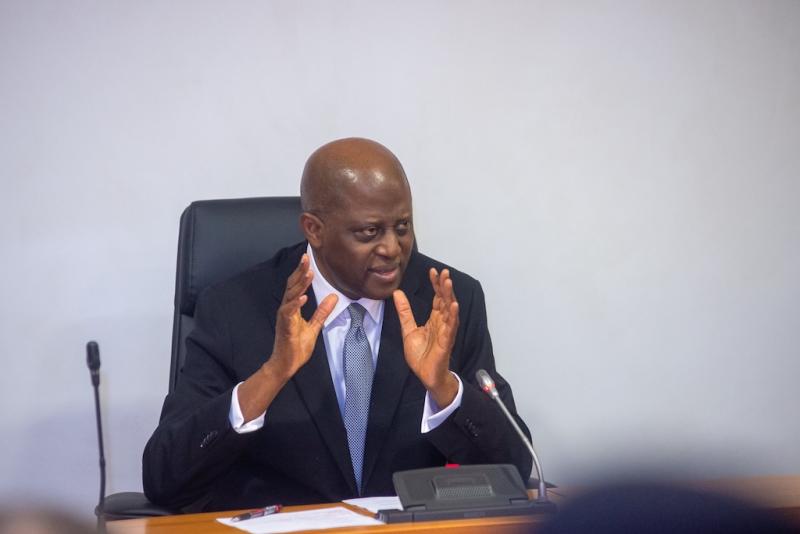
Civil society group SERAP demands full accountability from CBN and Governor Cardoso after the Auditor-General reports ₦1.44tn in unremitted federal funds in 2022.
The Central Bank of Nigeria (CBN) and its Governor, Olayemi Cardoso, are under scrutiny following revelations that ₦1.44 trillion in public funds went unremitted or missing in 2022, according to the Auditor-General of the Federation’s yearly report.
The report, released on September 9, 2025, highlighted that the CBN failed to remit over ₦1 trillion of the federal government’s share of the bank’s operating surplus into the Consolidated Revenue Fund (CRF) account. The shortfall has raised serious concerns over transparency and accountability within the apex bank.
The Socio-economic Rights and Accountability Project (SERAP), a prominent civil society organization, called on Cardoso and the CBN to provide a full explanation. In a statement signed by SERAP Deputy Director Kolawole Oluwadare, the organization described the situation as a “grave violation” of public trust and CBN’s statutory obligations.
“These discrepancies reflect broader issues of accountability within the Central Bank and demonstrate persistent failure to comply with its governing Act while upholding principles of transparency,” the statement said.
Read Also: Nigeria’s Largest Top Banks Pay ₦552bn Levy To AMCON In 2025
SERAP has also warned that if the CBN and Governor Cardoso do not account for the missing funds, the organization will pursue legal action. The group urged the bank to identify individuals involved in the misappropriation and refer them to Nigeria’s anti-graft agencies, including the Economic and Financial Crimes Commission (EFCC) and the Independent Corrupt Practices and Other Related Offences Commission (ICPC), for immediate prosecution.
As of the filing of this report, the CBN has yet to publicly respond to the allegations. Observers note that the absence of a statement may fuel further scrutiny from both civil society groups and the general public.
The Auditor-General’s report is part of ongoing efforts to strengthen financial oversight in Nigeria, where transparency and proper management of public funds remain contentious issues. Analysts say the revelations could heighten calls for institutional reforms and stricter enforcement of banking and fiscal regulations.
With a growing public demand for accountability in government financial operations, the CBN faces pressure to clarify the discrepancies and restore confidence in the management of Nigeria’s national funds.