
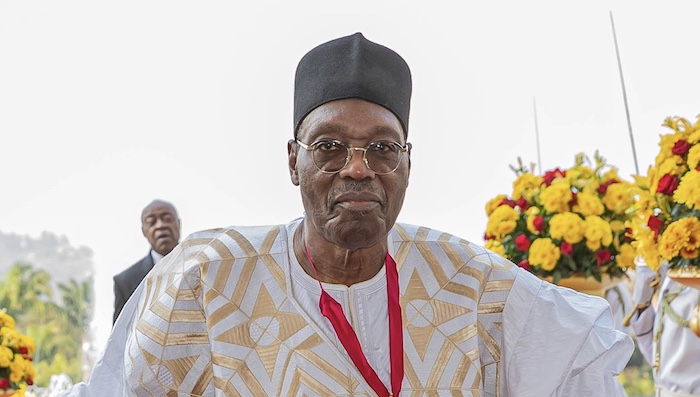
Cameroon‘s opposition leader Issa Tchiroma Bakary has escaped to The Gambia following a contested presidential election that returned 92-year-old Paul Biya to power amid violence that left at least five dead, though opposition groups claim the toll is far higher.
The Gambian government confirmed Sunday it’s hosting Tchiroma “temporarily” on “humanitarian grounds” while pursuing diplomatic solutions to Cameroon’s post-electoral crisis. A statement from President Adama Barrow’s office said The Gambia is collaborating with regional partners including Nigeria to “support a peaceful and negotiated outcome” following October’s disputed vote.
Official results showed Biya—the world’s oldest sitting head of state—securing his eighth term with 53.7 percent against 35.2 percent for Tchiroma, a former government minister now leading the Cameroon National Salvation Front. But the opposition leader rejected the outcome as fraudulent, declaring himself the legitimate victor.
“This is not democracy, it is electoral theft, a constitutional coup as blatant as it is shameful,” Tchiroma said following the results announcement. He repeatedly urged supporters to protest through “dead city” operations—closing shops and halting public activities to paralyze urban centers.
Those protests turned deadly. Cameroon’s government acknowledges five fatalities, though opposition and civil society organizations insist casualties significantly exceed official figures. Authorities have announced plans to prosecute Tchiroma for what they characterize as “repeated calls for insurrection.”
The Gambian statement said Tchiroma sought refuge “for the purpose of ensuring his safety”—language suggesting he faced imminent arrest or worse had he remained in Cameroon. His flight to Banjul marks a dramatic escalation in a political crisis that has gripped Central Africa’s largest economy since October’s vote.
Biya has governed Cameroon since 1982, when he succeeded the nation’s founding president following resignation. A 2008 constitutional amendment abolished term limits, clearing Biya’s path to rule indefinitely. Now 92, he stands as the planet’s oldest head of government, presiding over a country of 28 million with what critics describe as iron-fisted repression of political opposition.
The disputed election and subsequent violence echo patterns across African nations where aging autocrats cling to power through electoral manipulation while crushing dissent. Tchiroma’s exile to The Gambia—itself a country that transitioned from dictatorship to democracy just years ago—carries symbolic weight.
Gambian President Barrow defeated longtime strongman Yahya Jammeh in 2016 elections, with Jammeh eventually fleeing to Equatorial Guinea after refusing to accept defeat and threatening violence. That Barrow’s government now shelters Cameroon’s opposition leader suggests regional solidarity with those challenging entrenched rulers, though The Gambia’s careful diplomatic language indicates reluctance to directly confront Biya.
Read also: President Paul Biya Reelection Sparks Street Protests
The statement emphasized pursuit of “peaceful and diplomatic resolution,” signaling The Gambia won’t support armed resistance or aggressive regime change efforts. Instead, Banjul appears positioning itself as mediator, offering Tchiroma sanctuary while working through regional bodies to pressure Yaoundé toward dialogue.
Nigeria’s involvement carries particular significance. As West Africa’s giant with substantial influence across Francophone Central Africa, Abuja’s engagement could meaningfully shape outcomes. Whether Nigeria will pressure Biya to negotiate or merely facilitate face-saving compromises remains unclear.
Tchiroma’s claim that he actually won October’s election mirrors assertions by opposition candidates across Africa who’ve faced implausible official results. Independent observers frequently document irregularities in such contests, though proving systematic fraud sufficient to overturn results proves difficult when ruling parties control election administration, security forces and courts.
Cameroon’s government characterization of Tchiroma’s protest calls as “insurrection” reflects authoritarian playbooks worldwide—reframing legitimate dissent as criminal sedition to justify prosecution. That Tchiroma fled rather than face charges suggests he doubts receiving fair legal treatment in Biya’s courts.
His exile creates complications for Cameroon’s opposition movement. Without their leader physically present, coordinating resistance becomes harder. Biya’s government may calculate that Tchiroma’s absence defuses protest momentum while allowing authorities to consolidate control without creating a martyred prisoner.
For Tchiroma, exile in The Gambia offers safety but isolation. He can denounce Biya from Banjul, but his ability to mobilize Cameroonian supporters diminishes with distance. Whether regional diplomacy produces openings for his return or he joins the ranks of African opposition figures permanently exiled remains uncertain.
The Gambia’s willingness to host him despite potential Cameroonian displeasure demonstrates Barrow’s government asserting foreign policy independence. Small nations rarely shelter opposition leaders from larger neighbors without calculating risks. That Banjul proceeded suggests confidence in regional backing or belief that Biya’s advanced age and unpopularity limit his capacity for retaliation.
Cameroon now faces a political impasse. Biya begins another term under clouds of illegitimacy, with his main challenger in exile and opposition supporters alleging electoral theft. The 92-year-old president shows no inclination toward compromise, while protest movements lack leadership to sustain pressure.
Regional diplomacy may produce dialogue, though African mediation efforts in similar crises often preserve autocrats while extracting cosmetic concessions. Whether Cameroon follows that pattern or whether Tchiroma’s exile becomes catalyst for genuine political opening will unfold in coming months as The Gambia and Nigeria navigate between competing pressures.