
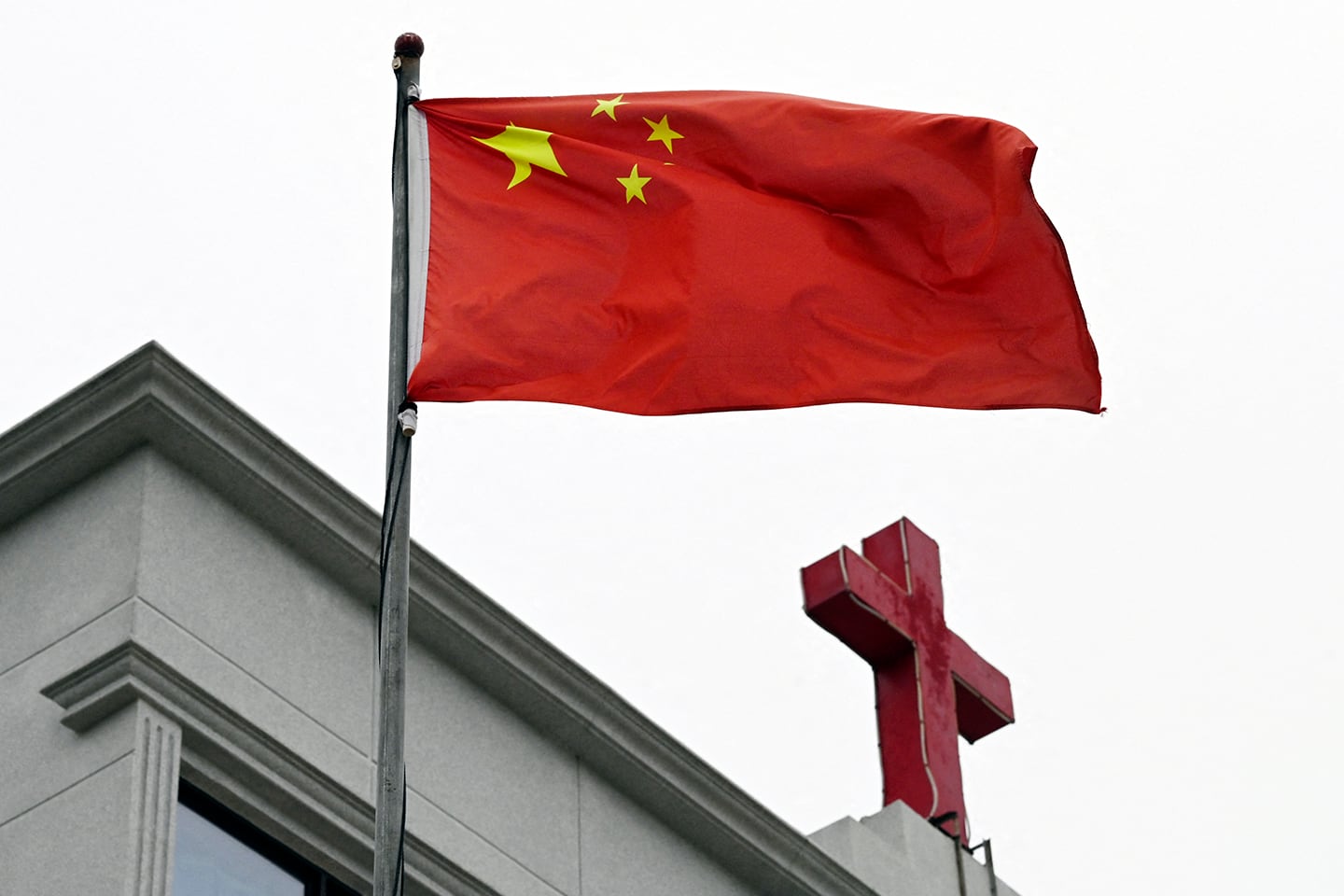
Coordinated raids across several provinces target leaders of unregistered house churches, deepening global concern over China’s tightening controls on religion.
Chinese authorities has detained 18 Christian leaders in a sweeping series of coordinated raids across multiple provinces, marking one of the most significant crackdowns on unregistered house churches in recent years, according to rights groups monitoring religious freedom in the country.
ChinaAid and other advocacy organizations reported that the arrests focused on members of the “Return to Zion” network, a loose alliance of underground churches that operate outside the state-approved Three-Self Patriotic Movement. Authorities raided homes, workplaces and unofficial worship sites, seizing documents, phones and church materials in what activists described as a broad attempt to dismantle independent Christian communities.
Families of those detained were reportedly instructed not to speak publicly, while several church members said they had been warned against continuing group activities. Officials accused the leaders of “illegal religious activity,” operating without state authorization and, in some cases, “participating in organized crime” — a charge frequently used to prosecute unregistered religious groups.
Analysts say the arrests underscore China’s continued efforts to centralize control over all forms of religious practice. While the Chinese constitution guarantees “freedom of religious belief,” all recognized faiths must operate under state-regulated bodies and are subject to strict monitoring.
House churches — independent congregations that reject state oversight — are widespread across the country. Estimates from researchers place China’s Christian population between 70 million and 100 million, suggesting it may exceed the membership of the Communist Party. This growth, observers say, has fuelled longstanding concerns within the government over groups that gather outside official scrutiny.
Read Also: China-Japan Taiwan Dispute Deepens After Wang Yi Warning
In recent years, authorities have intensified measures aimed at curbing unregulated worship. These include demolishing church buildings, removing crosses from public structures, installing surveillance cameras in registered churches and requiring pastors to emphasize political loyalty in sermons. Digital monitoring tools, including facial-recognition systems, have also been deployed at some religious sites.
The latest detentions have drawn condemnation from international rights organizations, which warn that the episode signals a new phase of repression. They note that detainees in similar cases have often faced prolonged interrogations, limited or no access to lawyers and lengthy pre-trial detention.
For families of the detained pastors, the uncertainty has been painful. Relatives say several of those arrested have not been permitted contact with legal counsel, while others remain unsure of where their loved ones are being held.
Christian groups abroad have urged global attention to the situation, calling for the release of the detained leaders and protection for congregations that continue to meet despite the risks. Advocacy networks say many house churches have moved further underground, relocating gatherings to smaller homes, remote areas and private spaces to avoid detection.
Despite mounting pressure, observers note that China’s unregistered Christian movement remains resilient. House churches — some with only a few dozen members, others with hundreds — continue to meet quietly across the country, maintaining worship traditions that have persisted through decades of state restrictions.
Rights groups warn that the coming months may bring additional arrests as authorities broaden surveillance and enforcement efforts. For now, the detention of 18 leaders stands as a stark reminder of the tightening environment for religious practice in the world’s most populous nation.