
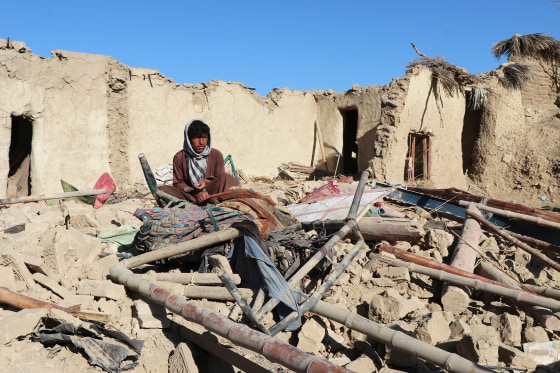
Afghanistan’s Taliban administration accused Pakistan on Tuesday of carrying out overnight air strikes that killed nine children and a woman in three eastern provinces, warning that Kabul would issue a response at a time of its choosing.
The allegation revived tensions between the two countries at a moment when cross-border attacks and suicide bombings inside Pakistan have surged. Islamabad has repeatedly claimed that militants sheltering in Afghanistan were behind recent assaults, a charge the Taliban rejects.
Taliban spokesman Zabihullah Mujahid said the strikes hit Khost, Paktika and Kunar provinces, all of which border Pakistan. He described the incident as a serious violation of Afghan territory.
“This was a violation of Afghanistan’s sovereignty and a clear breach of internationally accepted norms,” Mujahid said in a statement. “Defending our air space, territory and people is our legitimate right. At an appropriate time, a necessary response will be given.”
The reported strikes came after weeks of relative calm along the frontier. A ceasefire had been in place following deadly clashes in October, though both sides failed to reach a lasting agreement during talks that followed.
Islamabad has blamed Afghan-based militants for a string of attacks this month. On Monday, three paramilitary personnel were killed in Peshawar when attackers detonated explosive vests, with security officials saying they prevented a larger loss of life.
Read Also: Chinese Government Warn Students Over Japan, Taiwan Tensions
Earlier in December, a suicide bomber killed 12 people in Islamabad, the first mass-casualty attack targeting civilians in the capital in around ten years. One day before that blast, an assailant drove an explosives-laden vehicle into the entrance of a military school in South Waziristan, near the Afghan border, killing three people.
Pakistani authorities say investigators traced all three attacks to elements operating inside Afghanistan. The Taliban has repeatedly denied allowing militants to use Afghan soil to launch attacks, insisting it has no role in the violence inside Pakistan.
Relations between the neighbors have worsened sharply since the Taliban’s return to power in 2021. Border skirmishes have grown more frequent, and last month’s clashes left dozens dead in what analysts described as the most serious escalation since the Taliban takeover.
Both Kabul and Islamabad face pressure to avoid a broader conflict while trying to manage militant activity that affects the region on both sides of the border.
For now, Afghan officials say they are weighing their next steps, while Pakistan has yet to formally respond to the Taliban’s accusation.