
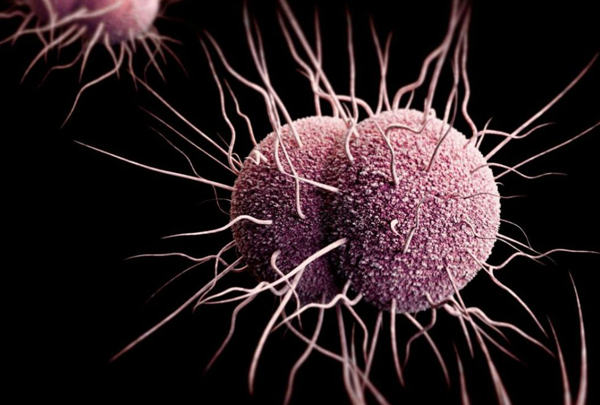
The World Health Organisation has issued an urgent warning that gonorrhoea—one of the world’s most common sexually transmitted infections—is rapidly developing resistance to multiple antibiotics, threatening to make the disease virtually untreatable in some cases.
Fresh data from WHO’s Enhanced Gonococcal Antimicrobial Surveillance Programme reveal alarming spikes in drug resistance across multiple treatments. Resistance to ciprofloxacin has now reached 95 percent globally, while resistance to ceftriaxone—the primary frontline treatment—jumped from 0.8 percent in 2022 to 5 percent in 2024. Resistance to cefixime surged even more dramatically, climbing from 1.7 percent to 11 percent over the same period. Only azithromycin resistance remained stable at 4 percent.
The surveillance program, established in 2015, aggregates data from participating nations to monitor antibiotic resistance patterns and inform treatment protocols. In 2024, twelve countries submitted data—up from just four in 2022—reflecting growing international recognition of the threat posed by drug-resistant sexually transmitted infections.
Geographic distribution shows 52 percent of male gonorrhoea cases originated in the Western Pacific region, with Africa accounting for 28 percent. The median patient age was 27, though infections ranged from individuals as young as 12 to as old as 94. Roughly 20 percent of cases involved men who have sex with men, while 42 percent of patients reported multiple sexual partners within the previous 30 days.
Recent antibiotic use and international travel emerged as common factors among infected patients—both behaviors that can accelerate the spread of resistant bacterial strains across borders and populations.
Dr. Tereza Kasaeva, who directs WHO’s department overseeing HIV, tuberculosis, hepatitis and sexually transmitted infections, emphasized the critical importance of robust surveillance systems. She urged governments to strengthen STI monitoring infrastructure and integrate gonorrhoea tracking into national health programs to contain resistant strains before they become dominant.
WHO reported progress in genomic surveillance capabilities, with nearly 3,000 samples sequenced across eight countries during 2024. Research into alternative treatments including zoliflodacin and gepotidacin continues, alongside investigations into tetracycline resistance patterns that will shape future prevention strategies.
Yet significant obstacles persist. Limited funding, incomplete reporting from participating nations, and substantial data gaps—particularly regarding infections in women and at non-genital sites—hamper comprehensive understanding of resistance patterns. The organization called for increased investment in national surveillance infrastructure to combat what threatens to become a global health crisis.
Read also: UK Discovered Russian Submarine-tracking Device Off Its Coast
Gonorrhoea infections can cause serious complications if left untreated, including pelvic inflammatory disease, infertility, and increased HIV transmission risk. As bacteria develop resistance to available antibiotics, treatment options narrow dangerously. Should resistance continue spreading at current rates, physicians may soon face gonorrhoea cases for which no effective treatment exists—a prospect not seen since the pre-antibiotic era.
The WHO’s warning underscores a broader challenge facing global health: the accelerating pace at which bacterial infections develop resistance to existing drugs, outstripping development of new antibiotics. Pharmaceutical companies have largely abandoned antibiotic research due to unfavorable economics—new drugs quickly face resistance, limiting their commercial lifespan and profitability.
For gonorrhoea specifically, the narrowing treatment options create urgent need for alternative approaches including prevention through vaccination research, improved diagnostics enabling targeted rather than empirical antibiotic use, and public health campaigns promoting safer sexual practices that reduce transmission regardless of drug resistance.
The expansion from four to twelve countries submitting surveillance data represents progress, yet WHO stressed that comprehensive global monitoring requires far broader participation. Many nations—particularly in resource-limited settings where STI rates often run highest—lack infrastructure for systematic resistance tracking, creating blind spots where resistant strains can emerge and spread undetected.