
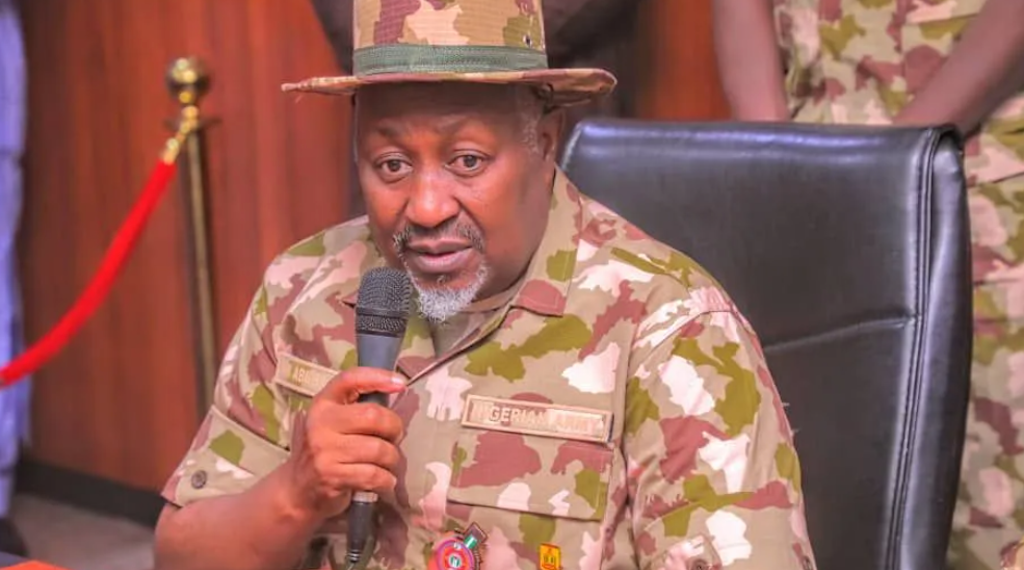
Nigeria’s defence minister, Mohammed Badaru Abubakar, has stepped down citing health concerns, President Bola Tinubu’s office announced late Monday, as the country faces a sharp rise in mass abductions and violent attacks across several northern states.
His resignation comes at a moment when the government is under intense scrutiny for its response to worsening insecurity. Tinubu declared a national security emergency last week after a string of large-scale kidnappings by armed groups and continued assaults by Islamist militants in the north.
According to a United Nations report issued on November twenty five, at least four hundred and two people have been seized since mid-November in northern Nigeria. Analysts say economic strain, weak local administration and the spread of armed groups across the Sahel have deepened the crisis.
More than two hundred students abducted from a Catholic school over a week ago remain missing, and authorities have released few details about rescue efforts. In his first visit to the site, Tinubu’s national security adviser met school and church officials and assured them the government intended to return the children safely.
Tinubu has outlined a series of measures in response to the recent violence, including the recruitment of fifty thousand police officers, additional army enlistment, redeployment of police assigned to VIP protection, and the mobilisation of forest guards to clear hideouts used by armed groups, often referred to locally as bandits.
Read Also: Defence Chief Blames Sahel Crisis For Boko Haram Resurgence
The president met retired General Christopher Musa on Monday evening, a move that prompted speculation among security specialists that he may be considered for the position following Abubakar’s departure. The government has not commented on potential replacements.
Cheta Nwanze, a partner at the consultancy SBM Intelligence, said the shift at the top signalled broader challenges facing Nigeria’s security framework. “The implication is not just a change in personnel, but a reminder of the need for a community-trusted approach that addresses both internal governance and regional threats,” he said.
Nigeria’s security record has also drawn attention abroad. U.S. President Donald Trump threatened potential military action last month over what he described as the treatment of Christians in the country. Nigerian officials have rejected the claims, arguing that the situation is more complex and that the government is working to protect religious freedom.
A senior U.S. State Department official said on November twenty that Washington was weighing possible steps, including sanctions and expanded counterterrorism cooperation, according to Reuters.
With the defence post now vacant, Tinubu faces rising expectations to present a strategy capable of reversing the surge in kidnappings and restoring confidence in the country’s security institutions.