
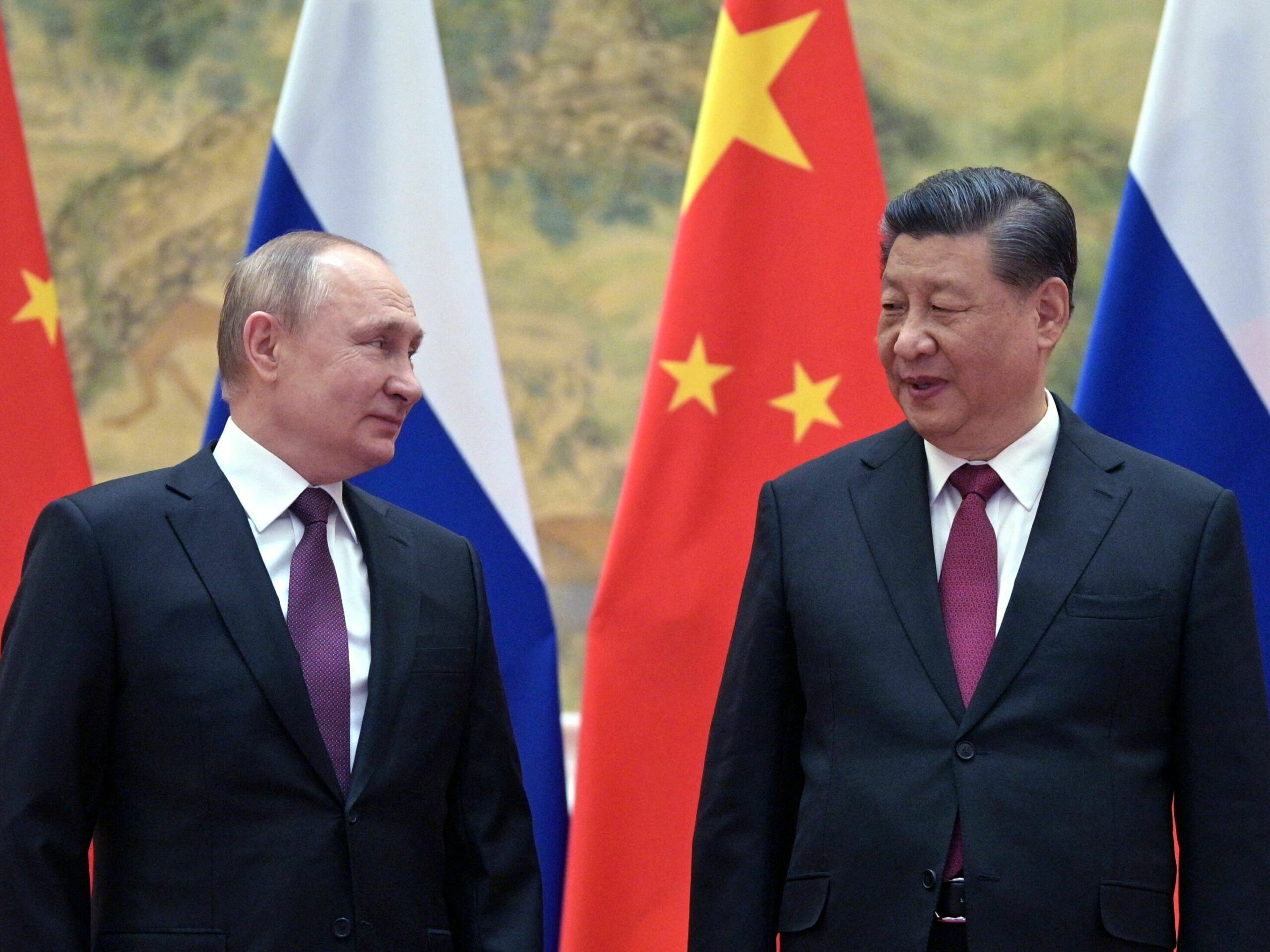
Beijing and Moscow strengthen diplomatic alignment as tensions rise over Taiwan and historical disputes involving Japan’s wartime past.
Russia and China have pledged to jointly oppose what they describe as any attempt to revive “Japanese militarism,” deepening their strategic cooperation as tensions heighten across East Asia, according to statements released Tuesday December 2, 2025, by both governments.
The agreement followed high-level meetings in Moscow between China’s top diplomat Wang Yi and Sergei Shoigu, secretary of Russia’s Security Council. Russia’s state-run Tass news agency reported Shoigu as saying a “militaristic hydra is once again rearing its head,” accusing Japan of adopting increasingly assertive security positions.
Beijing has sharply criticized Japanese Prime Minister Sanae Takaichi in recent weeks after she told parliament on Nov. 7, 2025, that a military assault on Taiwan could constitute a “survival-threatening situation” for Japan — language that signals Tokyo might respond under its security laws. China claims Taiwan as its territory and views any foreign commitment to defend the island as interference in its internal affairs.
Read Also: China Raid, Detains 18 Church Leaders In Widening Crackdown
Shoigu accused Japan of seeking “revenge for past defeats,” adding that Russia and China “have sufficient experience in defeating it,” according to Tass. He also said both countries reject attempts to “falsify history,” echoing long-standing Chinese complaints that Japan has not fully acknowledged its wartime aggression in Asia.
In its readout, the Chinese Foreign Ministry said Shoigu reiterated Russia’s firm support for the “one-China principle,” backing Beijing’s position on Taiwan. China and Taiwan have been governed separately since 1949 after a civil war, with Beijing insisting that eventual reunification — by force if necessary — remains a core national objective.
Wang also held talks with Russian Foreign Minister Sergey Lavrov, urging both nations to safeguard “the outcomes of the World War II victory,” a phrase frequently used by Beijing and Moscow to frame their alignment against what they describe as revisionist interpretations of the past.
The latest statements come amid rapidly shifting security dynamics in the Indo-Pacific. Japan, which has been expanding defense spending and deepening partnerships with the United States and regional allies, says its policies are defensive and driven by concerns over China’s military build-up and North Korea’s missile program.
While Tokyo has not commented directly on the Moscow-Beijing warning, Japanese officials have repeatedly stressed that regional stability depends on upholding international law and deterring unilateral attempts to change the status quo, particularly around Taiwan.
The renewed Sino-Russian messaging highlights their growing diplomatic coordination at a time when both countries face strained relations with Western governments and rising strategic competition across Asia.