
Next year’s Eurovision Song Contest is facing one of its most significant disruptions in decades after Spain, the Netherlands, Ireland and Slovenia confirmed they will withdraw from the 2026 competition in protest of Israel’s participation. The decision follows months of pressure on the European Broadcasting Union (EBU) to exclude Israel over its ongoing war in Gaza.
The coordinated withdrawal deals a financial and reputational blow to Eurovision, as Spain and the Netherlands are among its largest contributors and typically draw millions of viewers. Broadcasters from the four countries accused the EBU of ignoring humanitarian concerns by allowing Israel to remain in the lineup.
The boycott intensified after the EBU declined to hold a vote on Israel’s participation during a meeting in Geneva. Instead, members approved new rules aimed at limiting government interference in the show, a move critics said sidestepped the core issue.
Public broadcasters from Spain, the Netherlands, Ireland and Slovenia announced their departures shortly after the decision. Each had warned they would withdraw if Israel was permitted to compete.
Slovenia’s broadcaster said the exit was made “on behalf of the 20,000 children who died in Gaza,” while Spain’s RTVE and the Netherlands’ AVROTROS condemned the EBU’s refusal to respond to growing public pressure.
Ireland’s RTÉ echoed similar concerns, saying it could not take part “in good conscience” while the humanitarian crisis continued.
Austria, which will host Eurovision next May, said the departure of four participants will have financial consequences, but insisted the contest remains secure. “It would of course be a financial burden if several countries did not participate, but we had already taken this into account,” said ORF director Roland Weissmann.
Analysts say Spain’s exit is particularly significant. As one of the “Big Five” broadcasters that fund a substantial portion of Eurovision’s budget, its withdrawal could leave a gap in both financing and audience reach. The Netherlands and Ireland also contribute sizeable viewership figures each year.
Read Also: Russia Adds Ukrainian Eurovision Winner Jamala To Wanted List
Eurovision expert Paul Jordan said the controversy risks overshadowing the event itself. “There are no winners here… the whole thing feels a little bit toxic now,” he noted.
Israel’s 1998 Eurovision winner, Dana International, criticized the boycott, arguing it unfairly targets an entire country over political disputes. “You don’t punish an entire country because you disagree politically with its government,” she said.
Ireland’s 1994 champion, Paul Harrington, acknowledged that global events inevitably seep into Eurovision, despite the contest’s long-standing attempts to remain non-political.
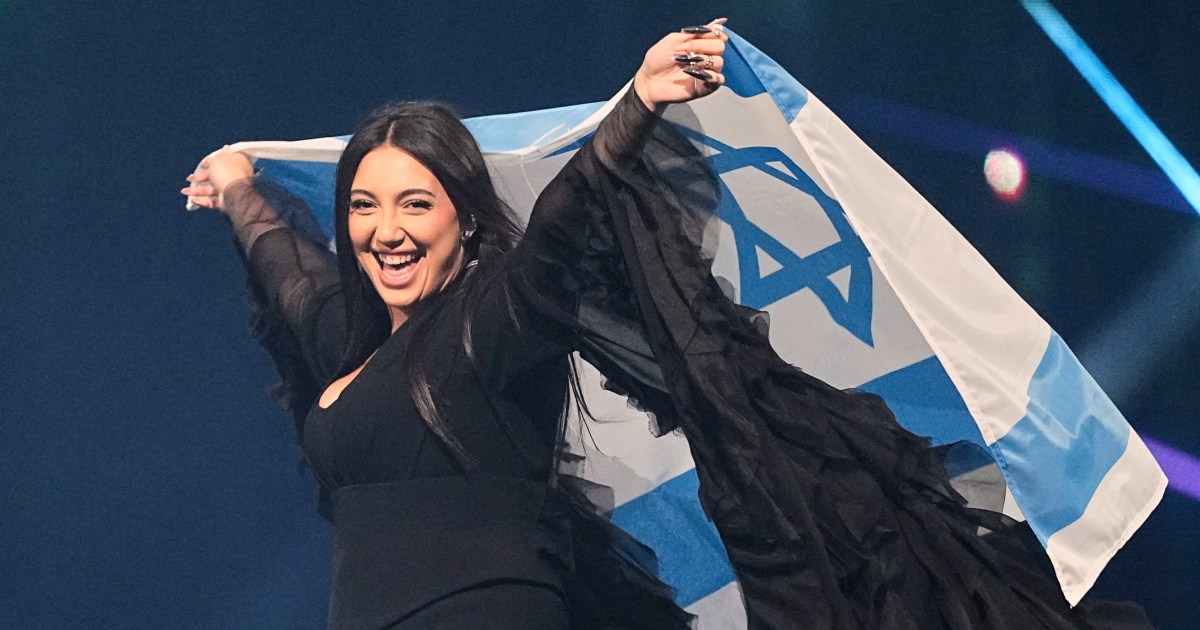
Israel’s 2025 entrant, Yuval Raphael, is himself a survivor of the Nova music festival attack during the October 7 assault by Hamas, which killed 1,200 people and triggered the ongoing conflict in Gaza. Health officials in Gaza say more than 70,000 Palestinians have been killed since.
Eurovision operates primarily on contributions from its participating broadcasters, host country funding, sponsorships, and ticketing revenue. The host broadcaster’s share typically ranges between €10–20 million. Countries with stronger economies pay more into the system, meaning the loss of Spain and the Netherlands is substantial.
The combined population and economic output of the four withdrawing countries far outweigh that of Bulgaria, Romania and Moldova, three nations expected to return next year and partially offset the numbers.
Still, Eurovision’s executive leadership maintains the contest remains financially stable.