
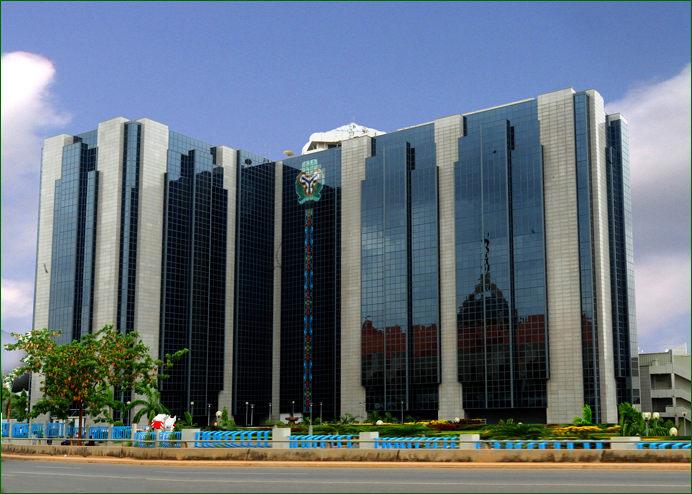
CBN cites capital shortfalls and regulatory breaches as it pulls approvals for Aso Savings and Union Homes to stabilize Nigeria mortgage sector market.
Nigeria’s central bank has revoked the operating licenses of two mortgage lenders, tightening regulatory oversight in a sector long challenged by weak capitalization and governance gaps.
In a statement issued Tuesday, the Central Bank of Nigeria (CBN) said it had withdrawn the licenses of Aso Savings and Loans Plc and Union Homes Savings and Loans Plc, citing persistent violations of banking regulations and failure to meet minimum financial requirements.
The decision, announced in a circular signed by the acting Director of Corporate Communications, Hakama Ali, was described as part of a broader effort to reposition Nigeria’s mortgage subsector and reinforce compliance with existing laws.
According to the CBN, the action was taken under provisions of the Banks and Other Financial Institutions Act (BOFIA) 2020 and the Revised Guidelines for Mortgage Banks in Nigeria, which empower the regulator to revoke licenses when institutions threaten financial stability or fail to meet prudential standards.
The regulator said both banks breached multiple rules, including failure to maintain the minimum paid-up share capital required for their license category. The institutions were also found to have insufficient assets to cover their liabilities, raising concerns about their ability to meet obligations to depositors and other stakeholders.
Read Also: Senate Calls For CBN Transparency On ₦1.44trn Surplus
In addition, the CBN said the lenders were critically undercapitalized, with capital adequacy ratios falling below the regulatory minimum. The banks also failed to comply with several directives issued by the central bank over time, despite repeated supervisory interventions.
“These actions underscore the CBN’s commitment to its core mandate of safeguarding the stability of the financial system,” the statement said.
Nigeria’s mortgage sector plays a limited but strategic role in the country’s housing market, which faces an estimated deficit of more than 20 million homes. Regulators have repeatedly stressed that undercapitalized lenders pose risks not only to consumers but also to broader financial confidence.
The revocation signals a tougher stance by the CBN as it seeks to clean up weaker institutions and strengthen trust in the financial system, particularly at a time of economic adjustment marked by high inflation, currency pressures, and tighter monetary policy.
The central bank did not immediately outline the next steps for customers of the affected lenders, but such cases typically involve the appointment of liquidators and coordination with the Nigeria Deposit Insurance Corporation to protect eligible depositors.
The move follows a series of regulatory actions by the CBN aimed at enforcing compliance across Nigeria’s banking and non-bank financial sectors, as authorities seek to promote resilience, transparency, and long-term stability in Africa’s largest economy.