
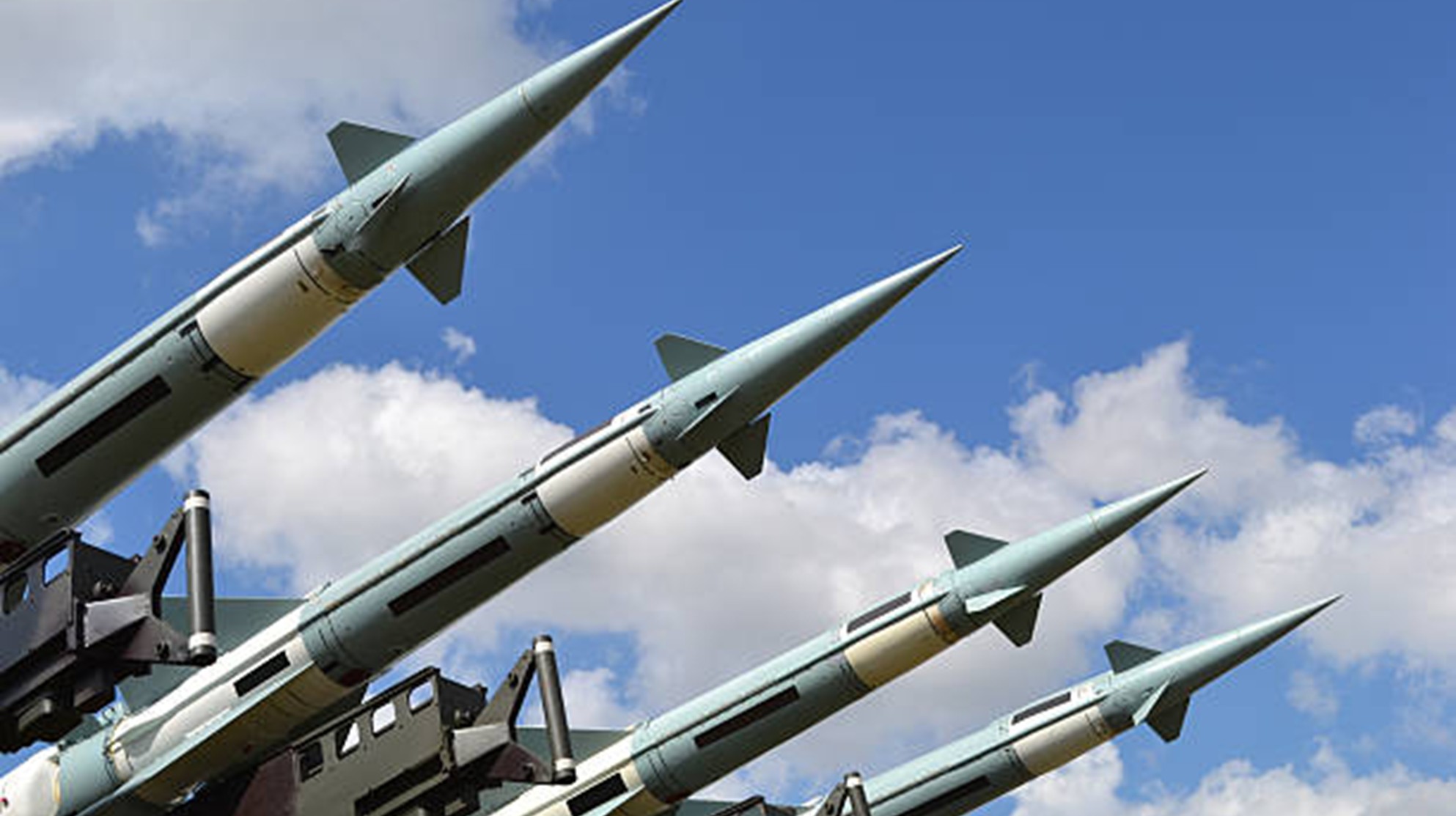
The global system designed to limit nuclear weapons and prevent escalation is facing renewed strain in 2026, as two major pillars of arms control approach uncertain moments, raising concerns among diplomats and security experts about the weakening of long standing safeguards.
Early in the year, attention will focus on the expiration of the New Strategic Arms Reduction Treaty, known as New START, which lapses on February five. The agreement has for more than a decade imposed caps on US and Russian nuclear arsenals and enabled verification through inspections and data exchanges. Its end would leave the two largest nuclear powers without a binding framework governing their strategic forces.
Two months later, New York will host the Review Conference of the Nuclear Non Proliferation Treaty, or NPT, the main international agreement aimed at preventing the spread of nuclear weapons. Held every four to five years, the meeting brings together 191 member states to assess compliance and chart future steps. The previous two review conferences ended without consensus, and expectations for a breakthrough this April remain low.
Alexandra Bell, head of the Bulletin of the Atomic Scientists, said at a United Nations hosted forum in December that prospects for arms control are deteriorating. She described the current outlook as bleak, pointing to stalled diplomacy and rising geopolitical tensions.
Read also: Japan Set To Restart Biggest Nuclear Plant After Fukushima
Russian analyst Anton Khlopkov of the Center for Energy and Security Studies offered a similar assessment, saying the global arms control framework has been largely dismantled, leaving little room beyond preserving what still exists.
Developments over the past year have added to those concerns. They include US strikes on Iranian nuclear facilities, Russia’s testing of new nuclear powered missile systems, and statements by US President Donald Trump indicating openness to resuming nuclear tests.
Experts also point to deeper structural shifts. Arms control was historically built around US Russian relations, but China’s expanding nuclear capabilities and rapid technological change have altered the balance. According to analysts, the integration of nuclear, conventional, and emerging weapons systems has made deterrence more complex in an increasingly multipolar environment.
If New START expires, inspection mechanisms and mandatory notifications will cease, leaving only voluntary adherence to existing limits. Some US policy figures argue that the treaty no longer reflects current strategic realities, particularly China’s growing arsenal, while Beijing has declined to participate in trilateral talks.
Despite this, specialists caution against expecting immediate changes in force posture. Constraints in infrastructure and deployment capacity would limit rapid expansion by either Washington or Moscow. Similarly, failure to produce a final document at the NPT review conference would not trigger instant fallout.
The broader risk, analysts warn, lies in the gradual erosion of diplomatic tools. As formal mechanisms weaken, managing crises and coordinating international responses becomes increasingly difficult, raising the stakes in an already fragile nuclear landscape.