
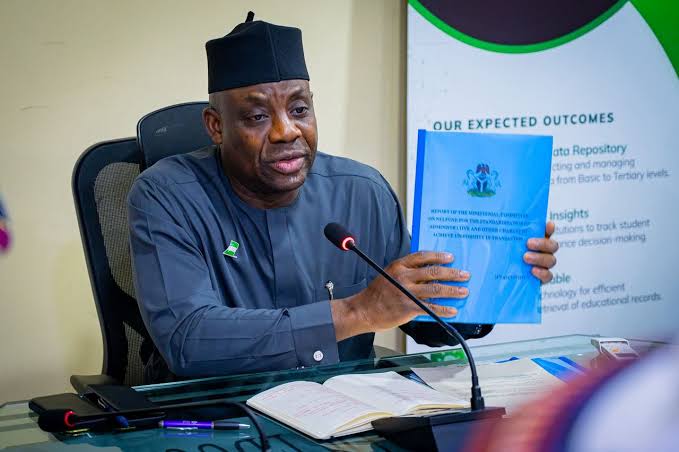
Nigerian Education Ministry says security measures have been strengthened as federal schools resume operations after closures triggered by worsening safety concerns.
Nigeria’s Federal Government has ordered the immediate reopening of 47 Unity Colleges that were shut in recent months amid rising insecurity, signaling renewed confidence in security arrangements around the country’s flagship public secondary schools.
The directive was announced in Abuja on Thursday by the Director of Press and Public Relations at the Federal Ministry of Education, Boriowo Folasade, who said the decision followed a comprehensive security review and consultations with relevant agencies.
According to the ministry, the government remains firmly committed to protecting students, teachers, and school communities while ensuring uninterrupted access to education across Africa’s most populous nation.
“The Federal Government has approved the reopening of all 47 Unity Colleges earlier closed due to security concerns,” the statement said. “This decision reflects our unwavering resolve to safeguard learners and sustain academic activities nationwide.”
Unity Colleges—officially known as Federal Government Colleges—were established to promote national integration by admitting students from across Nigeria’s diverse ethnic and religious backgrounds. They are directly managed by the federal government and are considered symbols of unity and equal opportunity in the education system.
Read Also: Nigerian Authorities Bans SS3 Admissions In The School System
Several of the schools were closed after a series of security incidents, including kidnappings and armed attacks near educational institutions in parts of northern and central Nigeria. The closures were part of a broader precautionary strategy as authorities sought to reassess vulnerabilities and strengthen protective measures.
Education officials said enhanced security protocols have now been put in place ahead of reopening. While specific measures were not publicly detailed, the ministry said it has worked closely with security agencies, school administrators, and state governments to reduce risks and restore confidence among parents and students.
Nigeria has faced persistent security challenges over the past decade, including insurgency in the northeast, banditry and kidnappings in the northwest, and communal violence in parts of the Middle Belt. Schools have frequently been targeted, prompting temporary closures and disrupting learning for thousands of students.
The reopening directive is likely to be welcomed by families who have expressed concern about prolonged disruptions to academic calendars, particularly for students preparing for national examinations. Education advocates have warned that extended school closures risk worsening learning gaps and increasing dropout rates.
The ministry urged parents, guardians, and school staff to cooperate fully with authorities as students return to campus. It also appealed for vigilance and timely reporting of suspicious activities around school environments.
Analysts say the move reflects the government’s attempt to balance security concerns with the urgent need to stabilize the education sector. While challenges remain, officials insist that keeping schools open—safely—is critical to Nigeria’s long-term development and social cohesion.
The ministry said it would continue to monitor the situation closely and adjust its approach as needed to ensure that learning continues in a secure environment.