
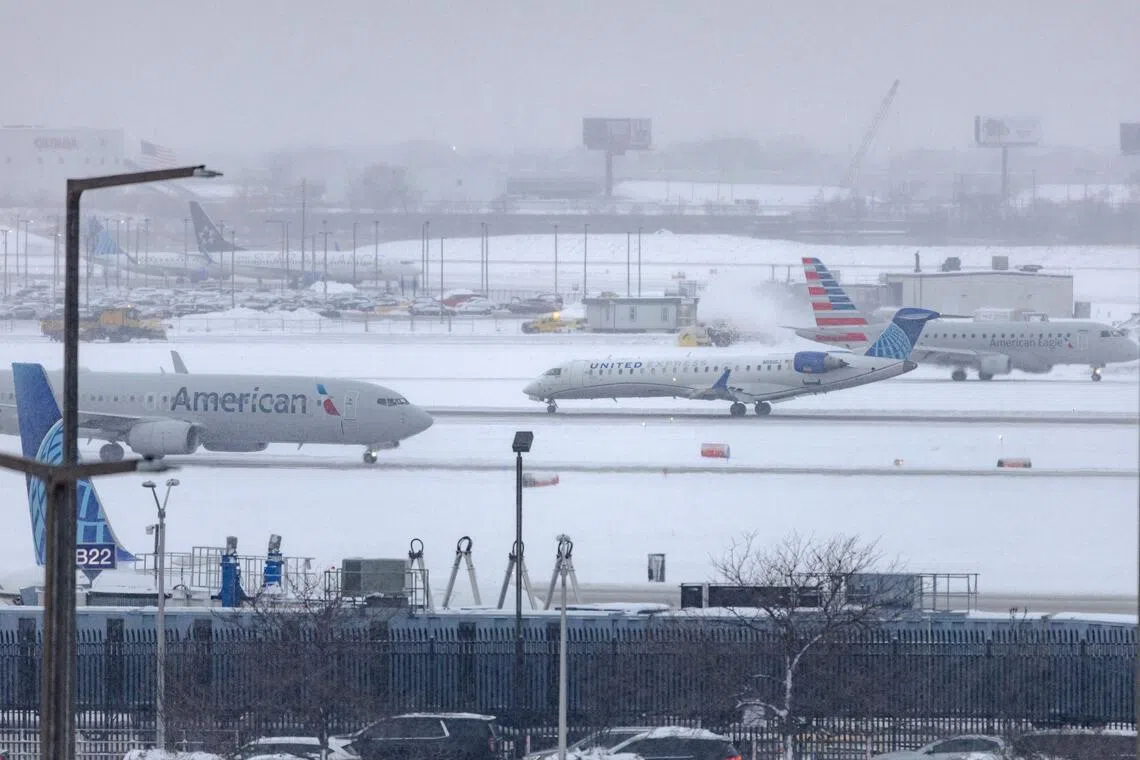
Heavy snow snarls New York airports, roads and rail as thousands of flights are canceled, emergencies declared and airlines scramble to rebook stranded travelers.
New York was brought to a near standstill as a powerful winter storm blanketed the region with heavy snow, triggering widespread travel disruption across the northeastern United States and rippling through the national aviation system.
On Sunday December 28, 2025, more than 9,000 flights had been delayed or canceled nationwide, according to flight tracking data, as snow and icy conditions overwhelmed airports, roadways, and public transportation networks. The New York metropolitan area emerged as one of the hardest hit, with all three major airports — LaGuardia, John F. Kennedy International, and Newark Liberty International — reporting severe disruptions.
At LaGuardia Airport, more than 230 flights were canceled, while average delays stretched beyond 50 minutes. John F. Kennedy International Airport saw more than 350 cancellations, with delays exceeding an hour for departing flights. Newark Liberty International Airport reported more than 230 canceled flights, with delays ranging between 45 minutes and an hour.
The storm dropped approximately 4.3 inches of snow in Central Park, marking New York City’s heaviest snowfall since January 2022, according to meteorological data. Forecasters warned that additional accumulation and freezing temperatures could prolong hazardous conditions into the coming days.
New York and neighboring New Jersey both declared states of emergency as snow-covered roads became treacherous and visibility deteriorated. Authorities urged residents to avoid nonessential travel, citing a spike in traffic accidents and stalled vehicles. Some commuter rail services were delayed or temporarily suspended, compounding the strain on travelers.
Read Also: United States Strikes Islamic State Targets In Sokoto Nigeria
Airlines including American Airlines, Delta Air Lines, and JetBlue Airways issued travel waivers, allowing affected passengers to rebook flights without change fees. Despite the flexibility, long lines formed at customer service desks as travelers sought alternative routes amid limited seat availability.
The storm’s impact extended well beyond the Northeast. As aircraft and crews were displaced, cancellations and delays cascaded through major hubs across the country, disrupting travel plans for thousands of passengers far from the snow zone.
Winter storms regularly challenge U.S. transportation systems, but aviation experts say the timing and intensity of this system made it particularly disruptive. With holiday travel still elevated and aircraft already operating near capacity, airlines had little margin to absorb the shock.
Emergency crews continued clearing runways and major highways, while city officials said snow removal operations were working around the clock. Meteorologists cautioned that lingering cold air could refreeze melted snow, keeping conditions dangerous.
For now, travelers are being advised to monitor airline alerts closely and prepare for continued disruptions as the storm slowly moves out of the region, leaving New York to dig out once again.