
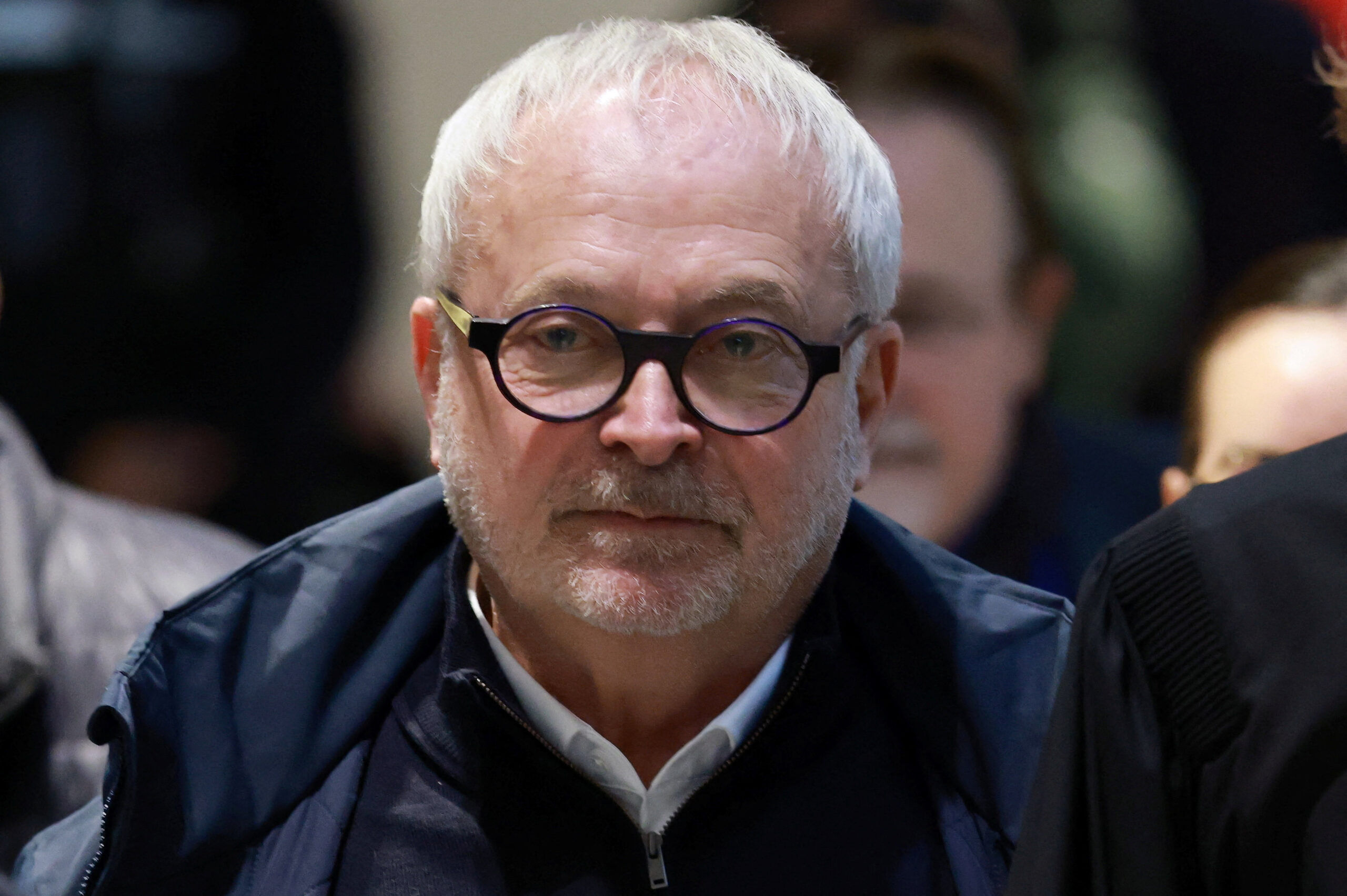
In a courtroom in Paris on Monday, Joel Guerriau, a former senator, faced charges that could once again shine a harsh light on the dangers of chemical submission in France’s political circles. Prosecutors allege that the 68-year-old administered ecstasy to fellow lawmaker Sandrine Josso in an attempt to impair her judgment and carry out sexual violence.
The incident reportedly occurred in Guerriau’s apartment during what was meant to be a celebratory toast for an electoral win. Josso later told authorities that the champagne she was offered tasted “off,” and within moments she began feeling unwell. “If I had not left immediately, I am certain he would have assaulted me,” she said in statements cited by court documents.
Toxicology tests confirmed the presence of ecstasy in Josso’s system, and investigators discovered additional quantities of the drug at Guerriau’s residence. Alongside the allegations of drug-facilitated sexual assault, Guerriau faces separate charges for possession and use of illegal substances. He denies all wrongdoing.
Read also: French Farmers Continue Protest Of EU Mercosur Deal In Paris
The case resonates strongly in France, still grappling with the fallout of the Dominique Pelicot trial in 2024, where Pelicot was convicted of repeatedly drugging and raping his wife, orchestrating assaults by third parties while she was unconscious. That case spurred national debate over consent, legal gaps, and protections against chemical submission, prompting legislative reforms last year that explicitly define consent in sexual assault law.
Guerriau resigned from the Senate in October 2025, shortly after the allegations emerged, and was suspended from Horizons, his centrist party within President Emmanuel Macron’s governing alliance. If convicted, he faces up to five years in prison and a fine of 75,000 euros ($88,950).
The trial, scheduled to run through Tuesday, is being closely watched not just for its immediate legal consequences but for the broader questions it raises about safety, power dynamics, and accountability within France’s political elite. Observers note that the case also underscores the persistent challenge of preventing and prosecuting drug-facilitated sexual violence, even among highly visible figures.