
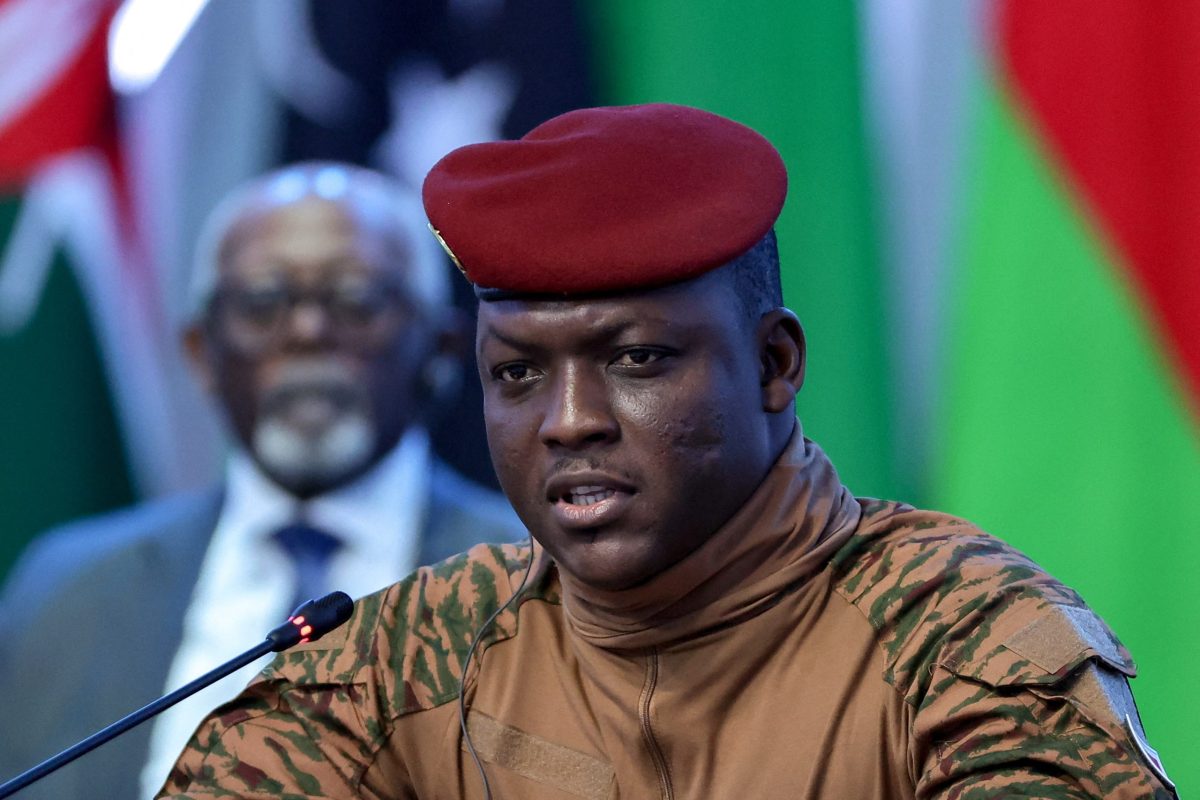
Burkina Faso’s military rulers have taken a sweeping step that effectively erases the country’s multiparty political system, issuing a decree that dissolves all political parties several years after democratic rule collapsed.
The decision was approved on Thursday by the council of ministers and formally announced by Interior Minister Emile Zerbo. Under the decree, every political party and political formation in the country is disbanded, and all their assets are to be taken over by the state. The move goes beyond earlier measures that merely suspended party activities, marking a permanent end to organized partisan politics in the West African nation.
Zerbo said the action followed an internal government assessment that blamed the country’s political architecture for deepening divisions and weakening social unity. According to him, the multiplication of parties over the years had contributed to institutional paralysis, abuse of public trust, and a breakdown in governance, conditions the military authorities now say they are determined to reverse.
Before the coups, Burkina Faso had one of the most crowded political landscapes in the region, with more than 100 registered parties. After the 2020 elections, 15 of them were represented in parliament. That entire structure has now been dismantled as the military leadership consolidates power.
Read also: Mali Burkina Faso Impose Travel Ban On US Citizens
Burkina Faso has been under military rule since September 2022, when Captain Ibrahim Traore seized power, eight months after an earlier coup toppled elected president Roch Marc Kabore. The juntas have justified their interventions by pointing to the state’s inability to curb a growing insurgency linked to armed groups affiliated with al-Qaeda and ISIL, violence that has displaced millions and claimed thousands of lives.
Since taking control, the military government has steadily narrowed the space for dissent. Media outlets, civil society groups, and political actors have faced increasing restrictions. In 2024, authorities ordered internet providers to block access to the websites and online platforms of several international organisations, including the BBC, Voice of America, and Human Rights Watch, accusing them of spreading narratives hostile to the state.
The political reset has been accompanied by a sharp realignment of foreign policy. Burkina Faso has cut back cooperation with France, its former colonial ruler, and has sought closer security ties with Russia. Regionally, it has joined Mali and Niger, both under military governments, to form the Alliance of Sahel States, a bloc aimed at coordinating security efforts and reducing reliance on Western-backed institutions.
By dissolving all political parties, the military leadership has signalled its intention to reshape Burkina Faso’s political future on its own terms. Critics warn that the move entrenches authoritarian rule and sidelines civilian voices, while supporters argue it creates space for national rebuilding in a country battered by conflict and instability.