
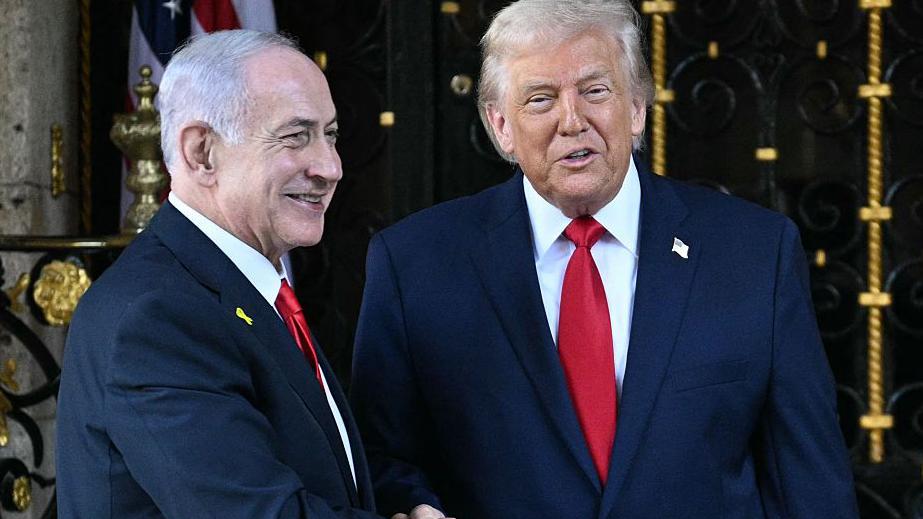
President Donald Trump is set to host Israeli Prime Minister Benjamin Netanyahu at the White House on Wednesday as negotiations over Iran’s nuclear programme intensify and security tensions across the Middle East remain high, according to officials in Washington and Jerusalem. The meeting comes amid renewed diplomatic efforts to curb Tehran’s uranium enrichment activities and follows weeks of escalating rhetoric and military positioning in the region.
Netanyahu said before departing Israel that he intended to outline what he described as “the principles of these negotiations,” signalling that Israel will press for broader conditions beyond limits on nuclear development alone. His office has indicated that any agreement should also address Iran’s ballistic missile programme and its backing of regional armed groups, including Hamas and Hezbollah.
The White House has framed the visit as part of ongoing consultations with key regional partners as Washington pursues a negotiated settlement with Tehran while maintaining pressure through sanctions and military deterrence. Trump has repeatedly warned that Iran must agree to stringent restrictions or face unspecified consequences, while still emphasising that a diplomatic solution remains possible.
The talks are unfolding against the backdrop of a fragile negotiation process between the United States and Iran, which has been mediated in part by regional actors. Iranian officials have said they will not accept limits on uranium enrichment unless Western governments ease sanctions that have strained the country’s economy, underscoring the gap between the two sides’ positions.
Security concerns have also shaped the timing of Netanyahu’s visit. Trump said this week he was considering deploying an additional aircraft carrier strike group to the Middle East if negotiations fail, signalling that military options remain under discussion within the administration. “We have an armada that is heading there and another one might be going,” he said in an interview with Axios, referring to ongoing deployments intended to deter escalation.
Read Also: Egyptian Assembly Supports Economy-Driven Cabinet Overhaul
The USS Abraham Lincoln carrier group was sent to the region last month amid heightened tensions, according to U.S. officials. The potential addition of another carrier would represent a further increase in American military presence at a time when Washington and its allies say they are trying to prevent Iran from advancing its nuclear capabilities. Analysts note that such moves often serve both as a negotiating tool and as reassurance to regional partners concerned about security risks.
Netanyahu’s trip marks his sixth visit to Washington since Trump returned to office, reflecting close political coordination between the two leaders. Israeli officials have long described Iran’s nuclear ambitions as an existential threat, and Netanyahu has consistently argued that any agreement must eliminate Tehran’s capacity to develop nuclear weapons entirely.
At the same time, there are signs of differing priorities within the broader diplomatic landscape. While Israeli leaders have pressed for strict conditions, U.S. officials have indicated that talks with Iran may initially focus on nuclear restrictions rather than broader regional issues, according to diplomatic sources familiar with the negotiations. The outcome of Wednesday’s meeting could help determine how firmly Washington aligns with Israel’s demands as discussions progress.
Trump has suggested that Tehran is eager to reach an agreement, though he has not outlined specific terms under consideration. His administration withdrew from the previous multilateral nuclear accord during his earlier presidency and has since pursued a strategy combining economic pressure with offers of renewed talks. The current negotiations are taking place amid heightened regional instability, including ongoing conflicts and political unrest that have reshaped alliances and security calculations.
Iranian authorities have repeatedly insisted that their nuclear programme is intended for civilian purposes and have rejected demands to halt enrichment outright. Diplomats involved in the discussions say that bridging this divide remains one of the main challenges facing negotiators, particularly as domestic political pressures mount in both countries.
Read Also: U.S. To Deploy 200 Troops To Train Nigeria’s Military
In Israel, Netanyahu faces calls from members of his governing coalition to ensure that any deal addresses wider security concerns, reflecting longstanding scepticism among Israeli policymakers toward negotiated arrangements with Tehran. Analysts say the Israeli leader is likely to use his meeting with Trump to argue for a tougher negotiating stance, although it remains unclear how much influence he will have over the U.S. approach.
Regional actors are closely watching the outcome of the talks, which could affect trade routes, energy markets and security dynamics across the Middle East. The prospect of new military deployments has heightened concerns about potential escalation if diplomacy fails, even as officials emphasise that negotiations are ongoing.
The White House has not released a detailed agenda for Wednesday’s meeting, and neither side has indicated whether a joint statement or policy announcement is expected. Following the talks, Netanyahu is scheduled to hold further discussions with U.S. officials, while American envoys are expected to continue indirect negotiations with Iranian counterparts in the coming weeks.