
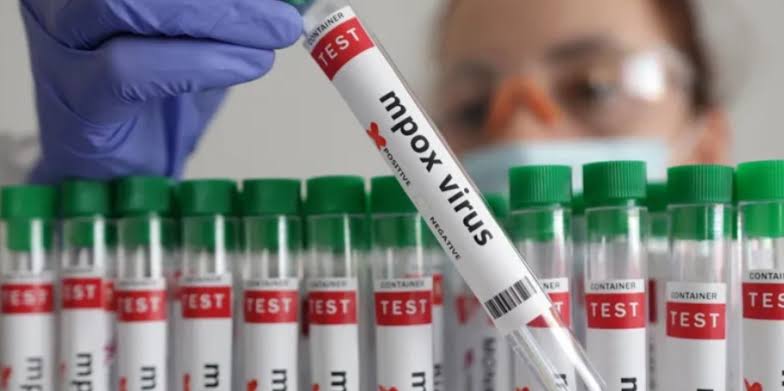
BANGKOK – A 44-year-old male inmate in Thailand has died from mpox, authorities confirmed, marking one of the country’s rare fatal cases of the disease.
The Department of Disease Control (DDC) said the patient had several pre-existing medical conditions, including untreated HIV, hepatitis B and C, and syphilis, which contributed to severe immunodeficiency. Officials believe he passed away several days prior to the announcement.
The DDC coordinated with the Department of Corrections and other relevant agencies to implement immediate containment measures in response to the case, which displayed an unusually severe course of illness, the agency said.
Surveillance protocols were enhanced in the affected facility to monitor for potential transmission among inmates and staff.
Mr Nattapong Wongwiwat, director-general of the Department of Medical Services, explained that mpox is a viral infection capable of spreading from animals to humans and between people through close physical contact or exposure to bodily fluids and lesions. “Most cases resolve on their own within two to four weeks,” he said, “but the disease can be severe in children and individuals with weakened immune systems.”
Populations at increased risk of serious illness include people living with HIV with low immunity, cancer patients, organ transplant recipients, and children under eight.
In Thailand, health authorities emphasized that while mpox is treatable, immunocompromised patients may develop life-threatening complications if the infection is not managed promptly.
The virus has an incubation period ranging from five to 21 days, according to Thai health officials. Key symptoms typically begin with fever, muscle aches, swollen lymph nodes, and the appearance of a characteristic rash.
Read Also: Thailand Election Opinion Polls Show People’s Party Lead
The rash usually progresses from raised red bumps to fluid-filled blisters, then pus-filled lesions, and finally scabs. It most often affects the face, palms, and soles but can also appear on the mouth and genitals.
Transmission is possible from the onset of fever, although the risk is highest during the rash stage.
Diagnosis relies on real-time polymerase chain reaction (PCR) testing of fluids from skin blisters, throat swabs, or blood samples. Mild cases generally require supportive care only, including fever-reducing medication and maintaining skin hygiene.
Hospitalization and antiviral therapy are considered for severe or high-risk cases, depending on clinical judgment, with treatment decisions guided by specialist physicians.
Current antiviral options remain under investigation by the World Health Organization.
The Department of Medical Services stressed that mpox is not highly contagious under typical circumstances, and most infections can be managed without advanced intervention.
Authorities urged the public to remain vigilant but not alarmed.
Preventive measures recommended by Thai officials include avoiding contact with animals that may carry the virus, particularly monkeys and rodents, and frequent handwashing with soap or alcohol-based sanitizers after interacting with animals or public surfaces.
Mask-wearing is advised when traveling to areas experiencing outbreaks. Individuals should avoid direct contact with secretions, wounds, or lesions from anyone suspected of infection.
Health authorities also highlighted the importance of early medical consultation.
Anyone developing unusual pus-filled lesions following fever should self-isolate and seek testing promptly to reduce the risk of transmission.
Read Also: Thailand Train Derailment Kills 25 After Crane Collapse
Thailand has recorded a limited number of mpox cases compared with global totals, and fatalities remain uncommon. The country’s health agencies maintain surveillance and public education campaigns to identify new cases rapidly and prevent wider spread.
The current fatality underscores the heightened risk faced by people with compromised immune systems.
The Department of Disease Control said it is closely monitoring the prison population and coordinating with medical teams to ensure prompt care for any suspected cases.
Enhanced hygiene practices, screening, and isolation measures have been implemented within the correctional facility, authorities said.
In addition to the immediate response, Thai officials continue to disseminate guidance for healthcare providers, outlining criteria for hospitalization, testing, and antiviral consideration.
The Ministry of Public Health has emphasized that the focus remains on containment, supportive care, and protection of high-risk groups.
The World Health Organization classifies mpox as a viral zoonotic disease with the potential for human-to-human transmission.
Globally, the majority of infections have been mild, but severe outcomes can occur among vulnerable populations, including those with untreated immunodeficiency.
Health authorities in Thailand continue to collaborate with international partners to track cases and maintain preparedness protocols.
No further fatalities have been reported in the country to date, and officials have stated that routine surveillance will continue in both the community and institutional settings.
The Department of Disease Control has indicated that additional updates will be provided as investigations and preventive measures proceed.