
The diplomatic row between the US and Spain over military cooperation and trade has taken a new turn after both countries offered different versions of their talks after President Trump threatened to cut off trade with Spain over its refusal to join military operations related to the war in Iran.
President Trump announced on Tuesday that he planned to end trade with Spain after it refused to allow US planes to use Spanish bases operated jointly with the US in military operations against Iran and Israel.
This row took a new turn on Wednesday after the White House said that Spain agreed to cooperate with US military forces, but Spain rejected this claim.
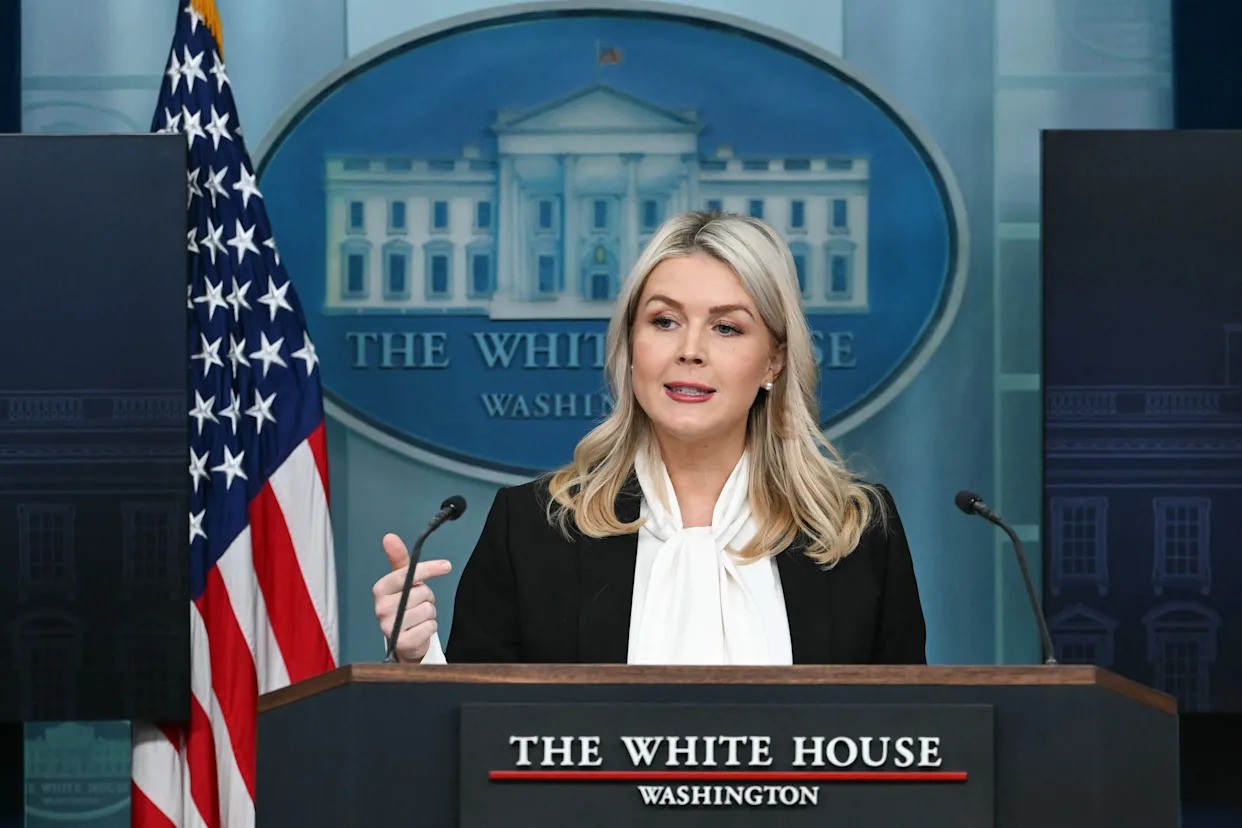
At a White House briefing on Wednesday, Press Secretary Karoline Leavitt stated she had been told Spain had “heard the president’s message” and had “over the last hours agreed to cooperate with the U.S. military.” However, she had no details on what form that might take.
Just a few hours later in Spain, Foreign Minister José Manuel Albares categorically denied that Spain had made any agreement with the US. Speaking on Cadena Ser radio, he stated that Spain’s policy on the Middle East conflict, on the strikes against Iran, and on the use of Spanish bases by US troops “has not changed one iota.” He stated he had no idea on what grounds the US had made their claim.
Spain’s deputy prime minister, María Jesús Montero, repeated Spain’s stand on the issue when she stated “Spain will not be vassals to another country.”
The rift has been caused by the escalation in hostilities over the weekend after US and Israeli airstrikes in Iran, which have led to a wider conflict in the region.
Spain has been vocal in its condemnation of the airstrikes as reckless and in breach of international law, and has refused to accede to US pressure to allow US warplanes to take off from Naval Station Rota and Morón Air Base in southern Spain to take part in the current military campaign.
Read Also: Spain Plans Social Media Ban For Under 16 Children
The US has troops stationed at these bases under long-standing defence cooperation agreements with Spain, but any military operation has to be approved by Spain.
On Tuesday in the Oval Office during a meeting with German Chancellor Friedrich Merz, Trump said he has instructed Treasury Secretary Scott Bessent to “cut off all dealings with Spain” over its failure to support US and Israeli strikes and its defence policy in general.
“We’re going to cut off all trade with Spain. We don’t want anything to do with Spain,” Trump said at the time.
Trump’s trade threat has been received with skepticism, in part because Spain is a part of the European Union, and its trade policies are negotiated collectively with other countries.
It is unclear how the US might legally place a unilateral embargo on a single EU country without negotiating a multilateral agreement on trade.
In a CNBC interview Treasury Secretary Bessent appeared to support the president’s position on the issue, saying that “it would be a combination effort” to stop trade and that “American lives were at risk” because of Spain’s refusal to allow the bases to be used.
In a televised address from Madrid on Wednesday night, Spanish Prime Minister Pedro Sanchez reasserted Spain’s “no to war” policy.
Though he did not mention President Trump by name, Sanchez stated that an escalation of war in the Middle East could have a destabilising effect on the international order and that Spain would not back down in the face of US pressure even if it meant economic repercussions for Spain.
“We are not going to be complicit in something that is bad for the world and is also contrary to our values and interests, just out of fear of reprisals,” he said.
Sánchez and other Spanish officials have stated that their decision is based on international law and their sovereignty.
They have stated that if Spain is used for actions that are outside of UN authorisation, then that is a violation of international law.
The dispute, however, adds another layer of tension to the relationship, which has seen differences on other issues, such as NATO defense spending levels, as well as Spain’s objections to other US and Israeli military actions, such as those in Gaza.
Read Also: Spain Mourns After Deadly High-Speed Train Crash
The government in Madrid is also reportedly divided on defense issues, which may add another layer of tension on the international stage.
Economists say that while the US trade embargo may have trade implications, Spain’s trade relationship with the US is small compared with other members of the EU.
Spanish exports to the US account for only 1 percent of Spain’s gross domestic product, making trade between the US and Spain “something that should be dealt with at the EU level.” Business groups say that “the economic relationship between the US and Spain will ultimately not be affected.”