
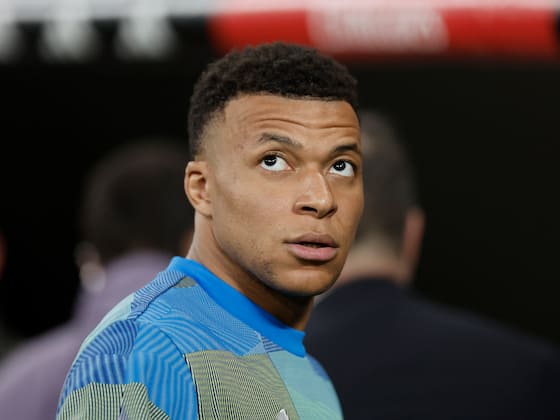
The future of one of football’s most valuable commercial partnerships is entering a period of uncertainty, as Kylian Mbappe approaches the end of his long-standing relationship with Nike. After more than a decade aligned with the American brand, discussions surrounding a potential departure have intensified ahead of the contract’s revised expiration this summer.
Mbappé’s association with Nike dates back to his childhood, beginning at the age of eight. Over time, the relationship evolved into one of the most recognisable athlete-brand collaborations in global sport, reflecting both his rise on the pitch and his expanding influence beyond it. Today, as one of the most marketable athletes in football, any shift in his commercial alignment carries implications that extend well beyond endorsement strategy.
Negotiations over a contract renewal have reached a critical stage. While Nike is understood to have tabled what is described as one of the most financially significant endorsement offers in football history, rival manufacturers have re-entered the conversation. Adidas and Under Armour—both of which previously attempted to secure Mbappé’s signature during earlier contract cycles—have renewed their pursuit.
The timing of these developments is not incidental. Mbappé’s current agreement was initially set to expire at the end of June, coinciding with a major international tournament period. Such a scenario presented logistical and reputational risks, particularly for Nike, whose visibility would have been compromised during one of football’s most globally watched events. To mitigate this, the contract has been extended by one month, ensuring continuity through the tournament window.
This temporary extension underscores the complexity of modern sports marketing agreements, where commercial considerations must align with the global sporting calendar. For brands, the presence—or absence—of a marquee athlete during peak viewing periods can significantly influence market positioning and consumer engagement.
At a structural level, the negotiations reflect broader shifts in the economics of athlete endorsements. Footballers of Mbappé’s stature now operate not merely as players but as global assets whose personal brands rival those of the institutions they represent. Decisions regarding sponsorship are therefore strategic, encompassing financial value, brand alignment, and long-term positioning in an increasingly competitive marketplace.
Nike’s efforts to retain Mbappé signal the company’s recognition of his strategic importance. As a central figure in its football portfolio, he represents both present relevance and future potential. His profile spans multiple demographics and geographies, making him a cornerstone of the brand’s global marketing strategy.
Read Also: India Slashes Fuel Taxes To Absorb Iran War Oil Shock
For Adidas and Under Armour, the pursuit carries equal significance. Securing Mbappé would not only strengthen their football divisions but also recalibrate competitive dynamics within the sportswear industry. Adidas, with its established footprint in international football, views such acquisitions as part of a broader effort to maintain influence across major tournaments. Under Armour, meanwhile, has sought to expand its presence in elite football, where it has historically been less dominant.
The prospect of a transition also highlights the evolving nature of loyalty in athlete-brand relationships. While long-term associations remain valuable, they are increasingly subject to renegotiation in response to shifting market conditions and personal brand trajectories. Mbappé’s potential departure from Nike—despite a relationship that began in childhood—illustrates how commercial considerations can supersede historical ties.
From a governance perspective, the involvement of institutions such as the French Football Federation reflects the interconnectedness of commercial and sporting interests. Ensuring that contractual arrangements do not disrupt national team representation during international competitions is a priority, particularly when dealing with athletes of Mbappé’s prominence.
The extension of his current deal by one month was therefore not merely a contractual adjustment but a coordinated effort to maintain operational continuity. It prevented a scenario in which Mbappé could have entered a global tournament without a defined equipment sponsor—an outcome that would have posed challenges for both brand visibility and regulatory compliance.
Beyond immediate negotiations, the situation offers insight into the broader trajectory of football’s commercial ecosystem. As revenues from broadcasting, sponsorship, and digital engagement continue to grow, the role of individual athletes as commercial anchors has become more pronounced. Endorsement deals now function as strategic partnerships, often involving co-branded products, marketing campaigns, and long-term investment in athlete narratives.
Mbappé’s decision—whenever it is finalised—will therefore be interpreted not only as a personal career move but as an indicator of shifting power dynamics within the industry. A continuation with Nike would reinforce the durability of established partnerships, particularly when supported by substantial financial incentives. A move to Adidas or Under Armour, by contrast, would signal a willingness to realign with new commercial frameworks.
The financial dimension of the negotiations remains significant. While specific figures have not been publicly disclosed, descriptions of Nike’s renewal offer suggest a contract designed to secure long-term exclusivity. Such agreements often include performance-based incentives, global marketing commitments, and potential equity considerations, reflecting the scale of modern endorsement economics.
At the same time, competing bids from Adidas and Under Armour are likely structured to offer both financial competitiveness and strategic differentiation. For Mbappé, the decision will involve balancing immediate economic gain with long-term brand positioning, including the opportunity to shape product lines and influence global campaigns.
Read Also: Iran Bans Sports Teams From Going To Hostile Countries
In the context of global sport, few endorsement decisions carry comparable weight. Mbappé occupies a unique position as both a current elite performer and a figure expected to define the next era of football. His commercial affiliations are therefore closely watched by industry stakeholders, from sponsors and clubs to governing bodies and fans.
As the extended deadline approaches, uncertainty remains. What is clear, however, is that the outcome will resonate beyond a single contract. It will reflect the evolving intersection of sport, commerce, and global influence—an arena in which athletes like Mbappé operate not only as competitors, but as central actors in a multi-billion-dollar ecosystem.