
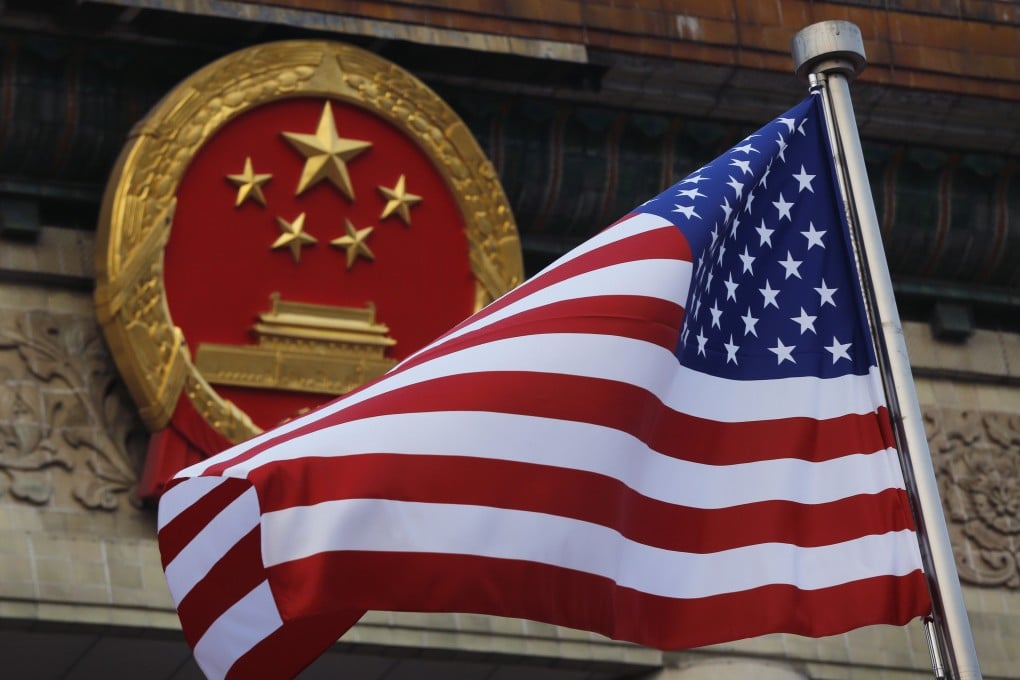
The Trump administration warned China on Monday that it would tighten travel restrictions on Chinese nationals if Beijing did not reverse a six-month slowdown in accepting deportees — a pressure campaign timed to land days before Trump’s planned May 14-15 visit to Beijing, where the issue is expected to be raised directly with Xi Jinping.
A senior administration official, speaking on condition of anonymity, told Reuters that China had accepted roughly 3,000 deportees via charter and commercial flights in early 2025 but had since scaled back cooperation significantly. The official characterized Beijing’s current posture as a refusal to “fully cooperate with the United States to take back its citizens,” calling it a violation of China’s international obligations.
“Inaction by the Chinese government will jeopardize future travel for law-abiding Chinese citizens,” the official said, outlining potential consequences including increased cash bonds on visa applications, broader visa denials and additional restrictions at the border. The Chinese embassy in Washington did not respond to a request for comment.
Read also: Taiwan President In Eswatini After China Fails To Block Visit
The confrontation adds a contentious immigration dimension to a Beijing summit already loaded with trade and geopolitical complexity. Trump is hoping to extract trade concessions from Xi that he can present to voters ahead of November midterm elections, with Republican poll numbers under pressure from rising fuel prices and the economic fallout of the Iran war. Bringing home a tangible win on deportations — a signature issue for his political base — would serve the same domestic political purpose.
More than 100,000 undocumented Chinese nationals are currently in the United States, the official said. Over 30,000 have received final orders of removal, and of those, more than 1,500 are detained and awaiting deportation, most having committed additional crimes. Independent estimates suggest the figure may be considerably higher — the Migration Policy Institute placed the number of unauthorized Chinese immigrants at approximately 239,000 as of mid-2022, before the border surge of subsequent years drove numbers higher still.
The surge itself has a specific origin. During the Biden administration, Chinese nationals illegally crossing the southern border increased from negligible numbers to tens of thousands, as China’s slowing economy and COVID-era visa restrictions reduced legal pathways and pushed more people toward irregular entry routes.
Read also: Global Defense Budgets Rise 2.9% As US Reduces Ukraine Aid
The administration’s frustration with Beijing on deportations is longstanding and bipartisan. Officials going back to the Obama years have concluded that China deliberately slows the issuance of travel documents for deportees, either because it does not want to absorb them or because it views the issue as leverage in broader negotiations with Washington. US law enforcement officials have told Reuters that Beijing at times tries to link deportation cooperation to American willingness to extradite Chinese nationals who have fled to the United States — economic fugitives and political dissidents among them — a linkage Washington has consistently refused to accept.
Under Section 243(d) of the Immigration and Nationality Act, the US can impose visa sanctions on countries the Department of Homeland Security classifies as “recalcitrant” on repatriation. China has carried that designation routinely. The senior official’s warning on Monday suggests the administration is now prepared to enforce the consequences that designation theoretically carries, rather than continue accepting token cooperation as sufficient.
The Beijing summit, where Trump will seek to demonstrate diplomatic productivity on multiple fronts simultaneously, will determine whether the threat produces movement or becomes another item on the ledger of grievances between the world’s two largest economies.