
American warplanes hit military targets near the southern Iranian port city of Bandar Abbas on Monday, even as negotiators from both countries worked through a 14-point ceasefire memorandum they hope will pull the two nations back from the edge of full-scale war.
US Central Command confirmed the strikes, describing them as defensive action taken to neutralize Iranian missile launch positions and vessels suspected of placing mines in contested Gulf waters. The military said its forces acted to protect American personnel in the region. In Tehran, the semi-official Mehr News Agency reported explosions and the activation of civil defense sirens across Bandar Abbas before authorities moved to reassure the public that the situation was contained.
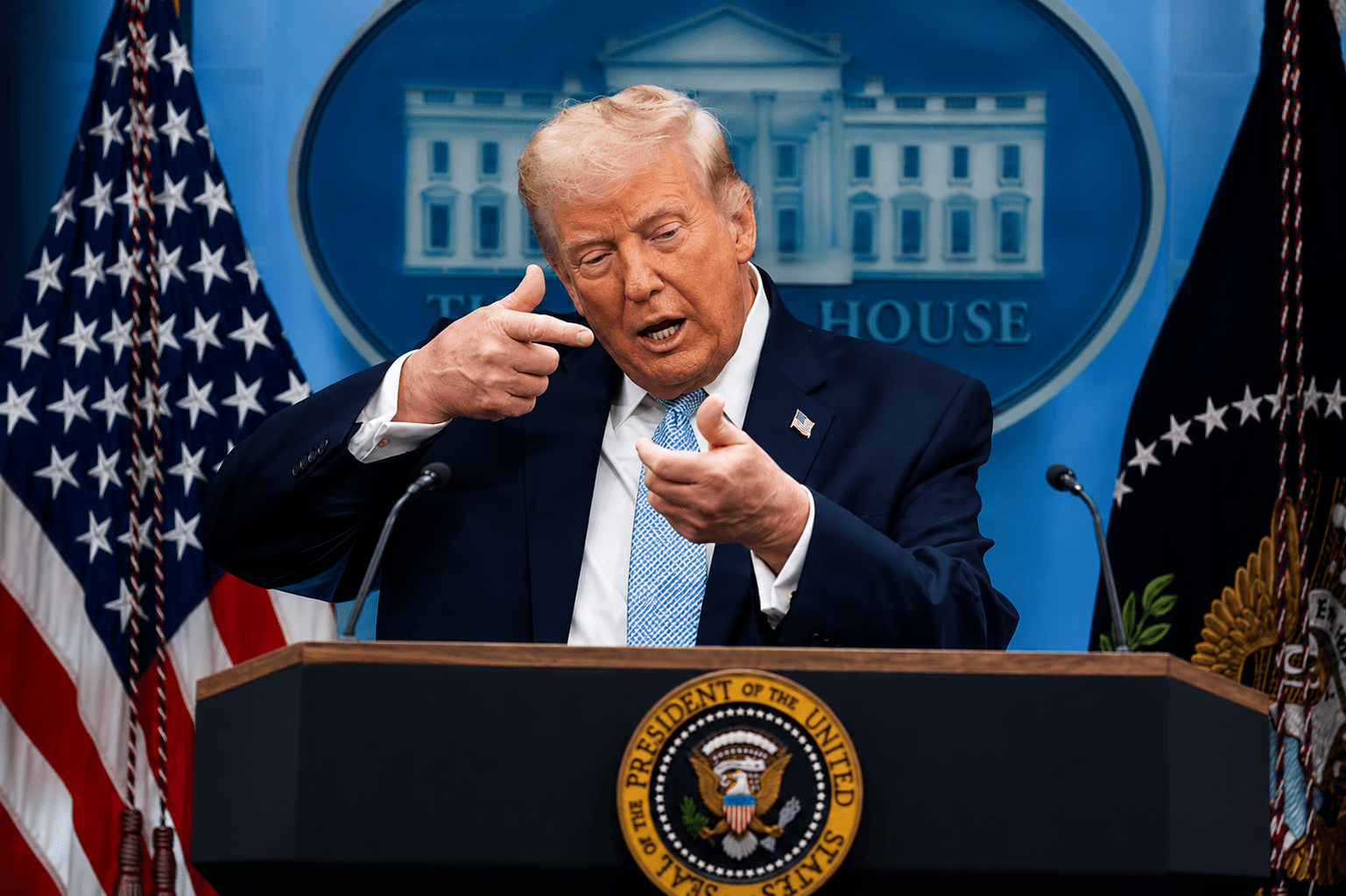
The strikes landed hours after President Donald Trump told reporters that negotiations between Washington and Tehran were moving in a positive direction.
That gap — between a president’s optimism and a military’s targeting decisions — may be the most telling detail of where this crisis actually stands.
Diplomats from both sides have been laboring over a draft agreement that would, in its current form, commit the United States and Iran to a 60-day extension of the existing ceasefire, the reopening of the Strait of Hormuz to commercial shipping within 30 days, and a mutual halt to all military operations — including the ongoing fighting in Lebanon, where Iranian-backed forces remain active. Under the proposed terms, Iran would formally renounce nuclear weapons development and agree to dispose of its stockpile of enriched uranium through a mechanism to be jointly approved. In exchange, Washington would lift its naval blockade and begin removing sanctions in stages, with each step of relief tied to verified Iranian compliance.
Read also: Tulsi Gabbard Quits As Trump’s Intelligence Chief
The nuclear question, however, is not being resolved now. The framework deliberately pushes the most complex nonproliferation details into a secondary negotiating phase — a 60-day window that would open once the memorandum takes hold. Both sides have acknowledged that settling the nuclear file in full, immediately, is beyond what these talks can bear.
The uranium itself is where the deal is most likely to break.
Washington wants Iran’s stockpile of highly enriched uranium taken off the table in a way that cannot be reversed — either shipped out of the country entirely or diluted under intensive international monitoring on Iranian soil. Tehran has made clear it will not agree to transferring the material abroad. Iranian officials have framed that position as a matter of national sovereignty, not negotiating posture, and observers with knowledge of the talks say the resistance on this point is genuine.
Iran’s counter-demand is equally firm: guaranteed relief on oil export sanctions and access to frozen financial assets, and that relief must come early in any sequencing arrangement, not as a reward at the end of a long compliance queue. Mediators working the margins of the negotiations have warned that without an airtight sequencing agreement, the deal as drafted could deliver Iran economic oxygen before it surrenders any irreversible nuclear leverage. That outcome would be politically untenable in Washington and potentially fatal to the framework itself.
The Lebanon dimension adds another layer. Fighting has continued there despite the broader ceasefire, and American negotiators have insisted that a final agreement must address those hostilities explicitly. Iran has shown less urgency on that front.
What the memorandum, if concluded, would actually mean for the wider region is considerable.
A reopened Strait of Hormuz would restore one of the world’s most critical commercial shipping corridors, easing pressure on global energy markets that have been rattled by the conflict’s proximity to Gulf export routes. For African economies heavily dependent on fuel imports and exposed to dollar-denominated commodity pricing, that matters in practical terms — pump prices, freight costs, inflation.
Read also: Trump Says Time Is On His Side As Tehran Reviews US Position
A collapse of the talks, by contrast, leads somewhere far darker. Both US and Israeli military planners are described by regional officials as ready for a resumed campaign if diplomacy fails. Iran, for its part, retains the capacity to threaten Gulf shipping in ways that could trigger a broader regional emergency. A middle outcome — a partial agreement that quiets the immediate confrontation without resolving what caused it — buys time but solves nothing, leaving the ceasefire period as a countdown rather than a turning point.
Monday’s strikes near Bandar Abbas were not the first military actions taken while negotiations were simultaneously underway. They will likely not be the last. Both governments are navigating an environment in which field commanders retain operational authority even as diplomats exchange drafts, and in which demonstrating strength to domestic audiences may matter as much as reaching a deal. That tension — between the table and the target — is the defining condition of this moment. The 14-point memorandum exists. So does the wreckage near Bandar Abbas.
Both things are true at once, and neither cancels the other out.