
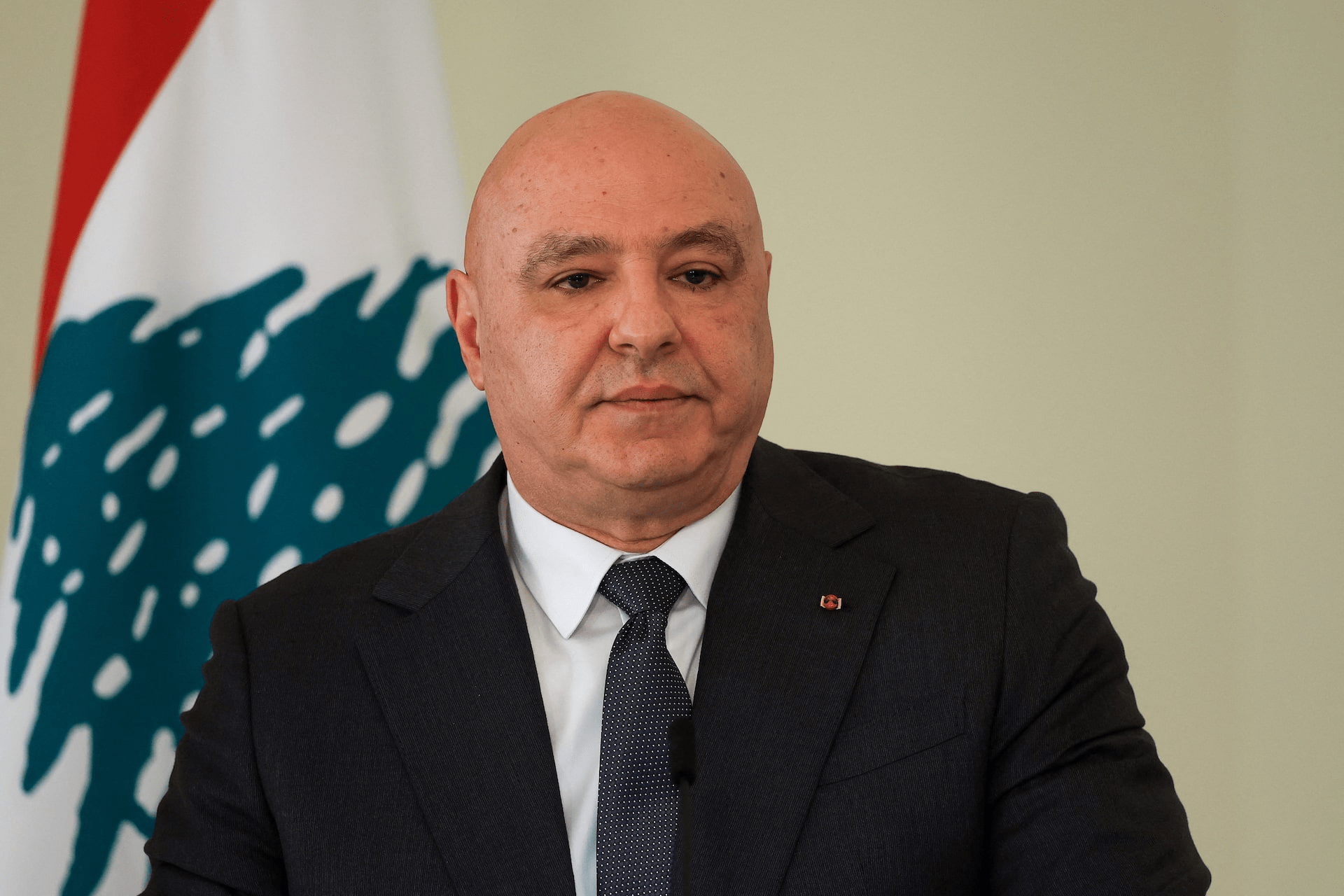
Lebanon’s president said publicly on Sunday that his country’s people were dying in service of Iranian interests — not their own — the sharpest break yet from Tehran by a Lebanese head of state, delivered as Beirut pursues a negotiated end to the war over Hezbollah’s open objection.
President Joseph Aoun’s accusation came in the same week Israel struck Beirut’s southern suburbs, triggering a 24-hour direct exchange between Iran and Israel that threatened to collapse Washington’s separate effort to broker a deal with Tehran — and illustrated precisely the dynamic Aoun was describing: a Lebanese conflict tethered to a war Lebanon did not start and cannot end alone.
In an earlier portion of the CNN interview, aired June 5, Aoun accused Iran of using Lebanon as a bargaining chip in its negotiations with the United States.
The fuller interview, broadcast June 8, extended that charge into a direct public address to Israel’s government and people. Aoun said military operations would never produce the security Israel sought. He said the Lebanese side was ready, willing, and committed to talks, then asked whether Israel could say the same.
Lebanon’s government is in direct mediated negotiations with Israel, facilitated by Washington, toward a full cessation of hostilities. That Aoun’s administration pursues this track over Hezbollah’s opposition is itself a structural break from how Lebanese governments have functioned for two decades. Hezbollah has historically wielded effective veto power over Lebanese state decisions touching on Israel. It is now fighting Israeli forces in southern Lebanon while the government that nominally controls the country negotiates around it.
More than 3,600 people have been killed in Israeli strikes since the war began. More than one million Lebanese are displaced. The United States declared a ceasefire on April 16. Fighting has continued. Lebanon says Israel has conducted nearly 3,500 strikes since the truce was announced — a rate that has averaged more than 50 per day against territory the ceasefire was supposed to protect.
Read also: Israel Opens Ground Push In Southern Lebanon
Aoun said he would not meet Prime Minister Benjamin Netanyahu before a deal was concluded. What gets concluded, he specified, would be a non-aggression pact rather than a full peace treaty — a distinction that is both politically necessary domestically and consistent with the framework Lebanon has said it will follow.
That framework is the 2002 Arab Peace Initiative, which Aoun named as Lebanon’s reference point.
The initiative offers Israel normalization across the Arab world in exchange for Palestinian statehood and withdrawal from occupied territories. Aoun acknowledged the distance between that destination and the present moment. There were steps required, he said. No one could jump directly from one to the other.
The war began March 2, when Hezbollah opened fire on Israel in support of Iran following the eruption of the Gaza conflict. Israel responded with an air campaign and ground operations that have left swaths of southern Lebanon under occupation. The exchange of June 7 — an Israeli strike on Beirut’s suburbs in retaliation for Hezbollah fire on northern Israel — pulled Iran directly back into the picture and threatened Washington’s concurrent effort to reach a separate agreement with Tehran to end their own more than three-month-old conflict.
Read also: Iran’s Path To Washington
Aoun said Lebanon wanted a good relationship with Iran — built on mutual respect and non-interference. The phrase carried particular weight against the backdrop of his accusation that Tehran had placed Lebanese lives on the table in its own negotiations with Washington. Respect and non-interference: two things he was simultaneously saying Iran was not delivering.
Whether the Israeli government moves toward the talks Aoun has proposed remains to be seen — but the proposition is not what previous Lebanese governments offered Israel, or were willing to say in public. Aoun came into office amid the rubble of a political system that had long deferred to Hezbollah as the dominant force shaping Lebanese security decisions. He is now explicitly separating the Lebanese state’s interests from Iran’s, doing it on international television, and inviting Israel to respond in kind.
Three thousand six hundred dead. A million people out of their homes. A ceasefire that changed nothing on the ground. Aoun’s message to Israel was an invitation. His message to Iran was a verdict: Lebanese are dying for your war, not theirs.