
Millions risk losing food aid and federal workers go unpaid as President Trump urges Republicans to end the deadlock by scrapping the Senate filibuster.
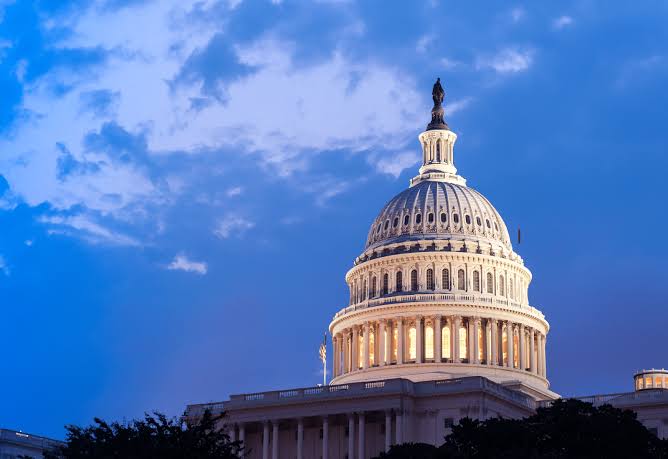
The U.S. government shutdown has entered its 33rd day, edging closer to the 35-day record for the longest federal closure in American history, as political gridlock in Washington shows little sign of easing.
The standoff, sparked by disputes over federal spending priorities, has left hundreds of thousands of government employees without pay and forced many federal agencies to halt or reduce operations. Food stamp benefits for millions of low-income Americans are also expected to run out this weekend if lawmakers fail to reach an agreement.
Officials at the Department of Agriculture have warned that the Supplemental Nutrition Assistance Program (SNAP) — which supports more than 40 million people — faces a funding lapse that could deepen the strain on vulnerable households already grappling with rising costs of living.
In recent days, federal workers across the country have shared stories of growing financial hardship, telling CNN they are struggling to pay rent, buy groceries, and keep up with bills as the shutdown drags on. Some have resorted to food banks or short-term loans to make ends meet.
Read Also: United States: $1 Billion Pact With AMD To Build Supercomputers
On Thursday October 30, 2025, President Donald Trump called on congressional Republicans to consider a dramatic move — ending the Senate filibuster — to pass legislation unilaterally and bring the shutdown to an end. The filibuster, a long-standing Senate rule, requires most bills to secure 60 votes rather than a simple majority, giving the minority party significant leverage.
“I’m urging our Republican senators to act now. The American people can’t wait while Democrats block everything,” Trump said during a briefing at the White House.
However, many Senate Republicans quickly rejected the idea, warning that scrapping the filibuster could backfire if Democrats regain control of Congress and the presidency in the future. “It’s a safeguard that prevents extreme swings in policy,” said Senator Susan Collins of Maine.
Negotiations between congressional leaders and the White House remain at a standstill, with Democrats insisting on broader spending protections for social programs while Republicans push for deeper cuts and stricter fiscal limits.
As the shutdown drags toward record length, economists warn of mounting consequences for the broader U.S. economy, including disruptions to government contracts, reduced consumer spending, and delays in key public services. For millions of Americans, the political stalemate has already turned into a personal crisis — one paycheck at a time.