
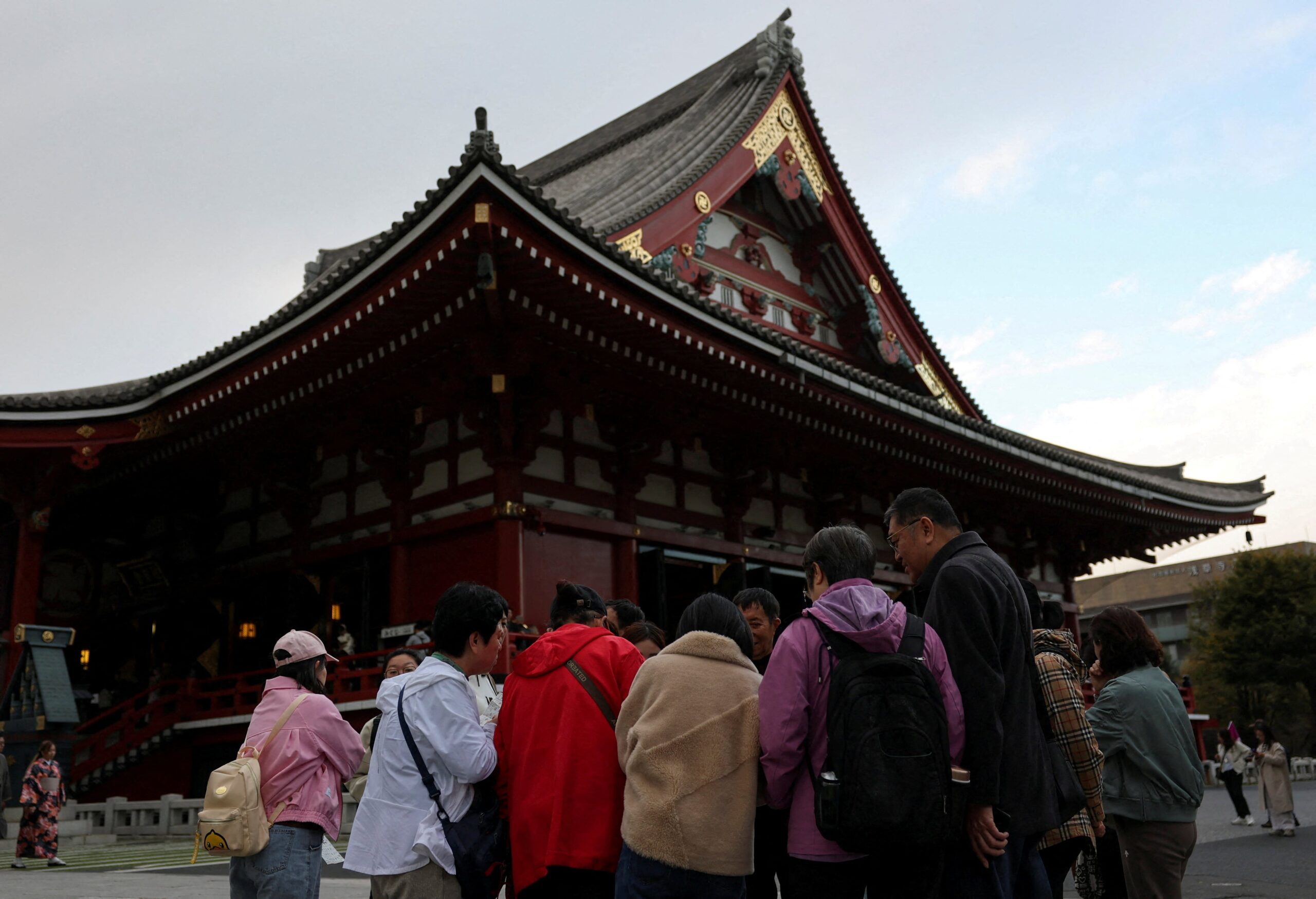
Chinese cruise operators are adjusting their itineraries to avoid Japanese ports as diplomatic tensions between Beijing and Tokyo escalate, a shift expected to boost tourism in South Korea, according to industry sources and cruise schedules reviewed by Reuters.
The dispute was sparked earlier this month by comments from Japan’s new Prime Minister Sanae Takaichi, who warned lawmakers that a Chinese attack on Taiwan threatening Japan’s security could trigger a military response. This has prompted some Chinese tourists and cruise operators to reconsider Japan as a destination.
Adora Magic City, a Chinese cruise ship that normally visits Japan and South Korea’s Jeju Island, has altered its December schedule to skip Japanese ports including Fukuoka, Sasebo, and Nagasaki. Instead, the ship will spend between 31 and 57 hours in Jeju—far longer than its usual nine-hour stop—according to a notice on South Korea’s Jeju provincial government website.
An official in Jeju, speaking on condition of anonymity, suggested the rescheduling is linked to the China-Japan diplomatic situation. “It seems like they are drafting a Plan B,” the official said. Adora Cruises did not respond to requests for comment.
Other Chinese cruise lines are reportedly exploring similar reroutes. Lee Yong-gun, CEO of South Korean port agent Eastern Shipping, told Reuters that if relations between China and Japan worsen, Korea is likely to benefit from redirected tourism. “If China excludes Japan’s products, culture, and tourism, I expect Korea should benefit from that,” he said.
Read Also: Taiwan – Japan Seafood Dispute Widens As Lai Backs Tokyo
Tokyo-based tour operator East Japan International Travel Service reported losing 80% of its bookings for the remainder of the year due to the diplomatic dispute. Meanwhile, South Korean travel companies are preparing for an influx of Chinese visitors. Online travel agency Qunar noted that South Korea was the top destination for Chinese travelers over the weekend of November 15–16, based on flight ticket bookings.
Jeju Air, a South Korean budget carrier, said it anticipates a rise in Chinese passengers, though no immediate increase has been observed. A South Korean tour agency executive for Chinese tourists confirmed receiving inquiries about shifting events originally planned in Japan to South Korea instead. “South Korea will clearly benefit from the dispute,” he said, speaking on condition of anonymity.
This is not the first time China-Japan tensions have redirected tourists. In 2013, a territorial dispute over islands led to a more than 50% jump in Chinese visitors to South Korea. Stock prices of South Korean tourism-related companies have already reacted positively to the current situation. Lotte Tour Development, which operates hotels and casinos in Jeju, rose over 20%, while travel agency Yellow Balloon Tour increased 24%, and department store operator Shinsegae gained 6%.
Chinese travelers have also expressed concern over visiting Japan. Luna Wang, a 34-year-old from Hangzhou, said, “Now it seems like Japan is not safe for Chinese people to travel … I guess the only good option is to go to Korea.” Similarly, Su Shu, founder of Moment Travel in Chengdu, noted a sharp shift in public sentiment, describing a perception that “whoever goes is a traitor.”