
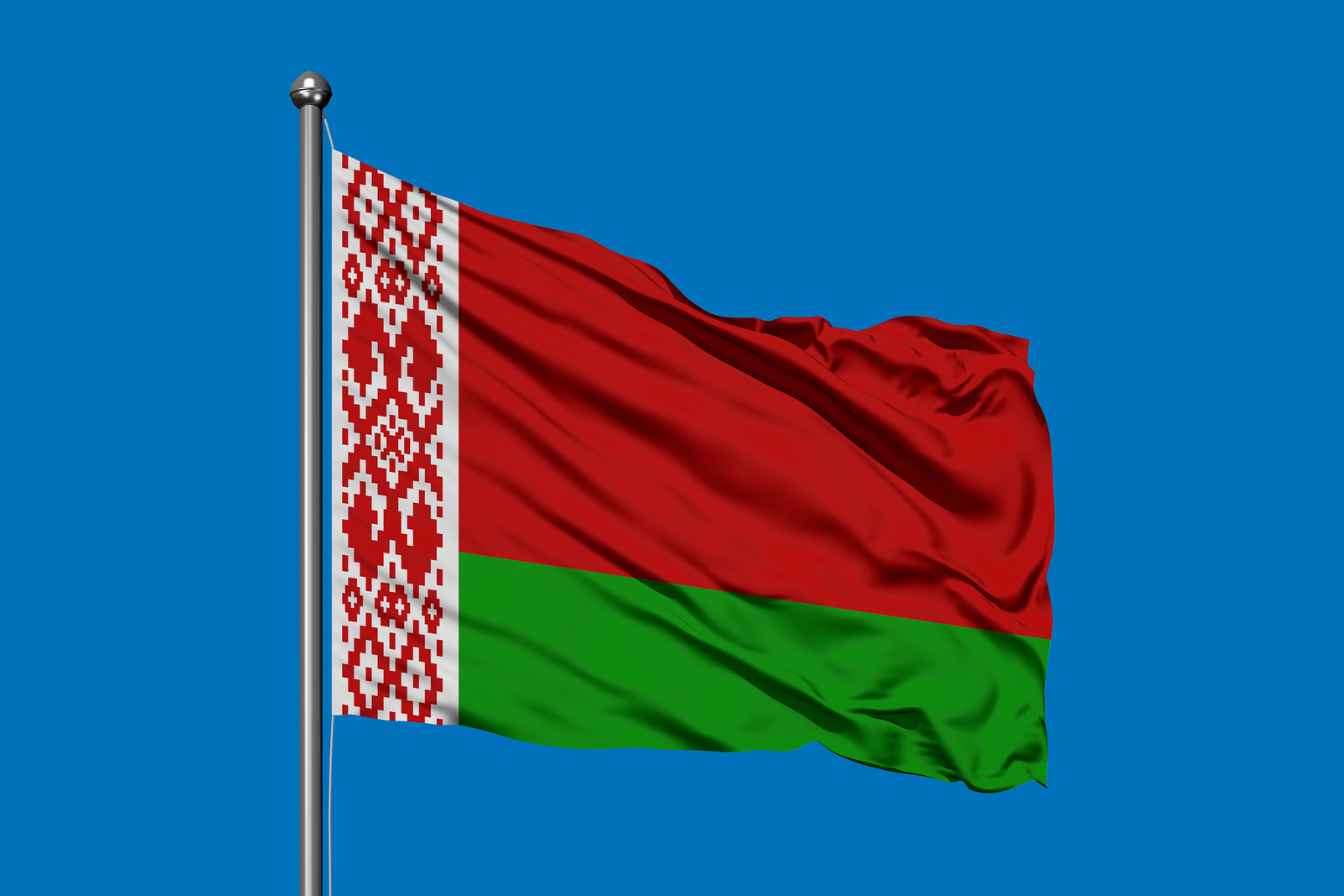
Belarus releases 31 Ukrainians convicted of crimes as part of a diplomatic agreement with the U.S. President Trump amid Russia-Ukraine tensions.
Belarus has pardoned 31 Ukrainian citizens convicted of various crimes, a move tied to a diplomatic agreement reached between President Alexander Lukashenko and U.S. President Donald Trump, state media reported Saturday November 22, 2025.
Presidential spokeswoman Natalia Eismont said the release was initiated at Ukraine’s request and was part of broader negotiations aimed at easing tensions surrounding the ongoing Russia-Ukraine war. The identities of the individuals have not been publicly disclosed.
“The president has pardoned 31 Ukrainian citizens who committed criminal offences on the territory of our country,” Eismont said. She added that the measure stemmed from agreements reached between Lukashenko and Trump and was intended to help “create conditions for the settlement of the armed conflict in the neighboring state.”
The pardoned Ukrainians were being handed over to Kyiv “right now,” according to the spokeswoman.
The deal also included partial sanctions relief for Belarus’s state airline, Belavia. Washington has allowed the airline to service and obtain parts for its Boeing aircraft, a notable concession for Minsk, which has been subject to heavy Western sanctions over recent years.
Read Also: Germany Advances Conscription Plan To Build Stronger Military
Belarus has faced international criticism for its treatment of political opponents, journalists, and activists, with human rights groups accusing the government of imprisoning dissenters under “extremism” charges. While Lukashenko has recently released some political prisoners, more than 1,000 are believed to remain in detention.
Analysts say the pardons could serve as a symbolic gesture to improve Belarus’s international standing while also signaling potential leverage for the United States in mediating aspects of the Russia-Ukraine conflict.
The agreement underscores Minsk’s strategic position in regional diplomacy. Belarus, a close ally of Moscow, has been scrutinized for its role in facilitating Russian military operations and maintaining strict internal controls over dissent.
Observers note that the partial sanctions relief for Belavia is significant in operational and symbolic terms, allowing Belarus to sustain its civil aviation industry while signaling a willingness to engage diplomatically with the West.
The coordinated release and associated concessions highlight a rare instance of high-level engagement between Minsk and Washington, demonstrating how individual cases of detained foreign nationals can intersect with broader geopolitical negotiations.