
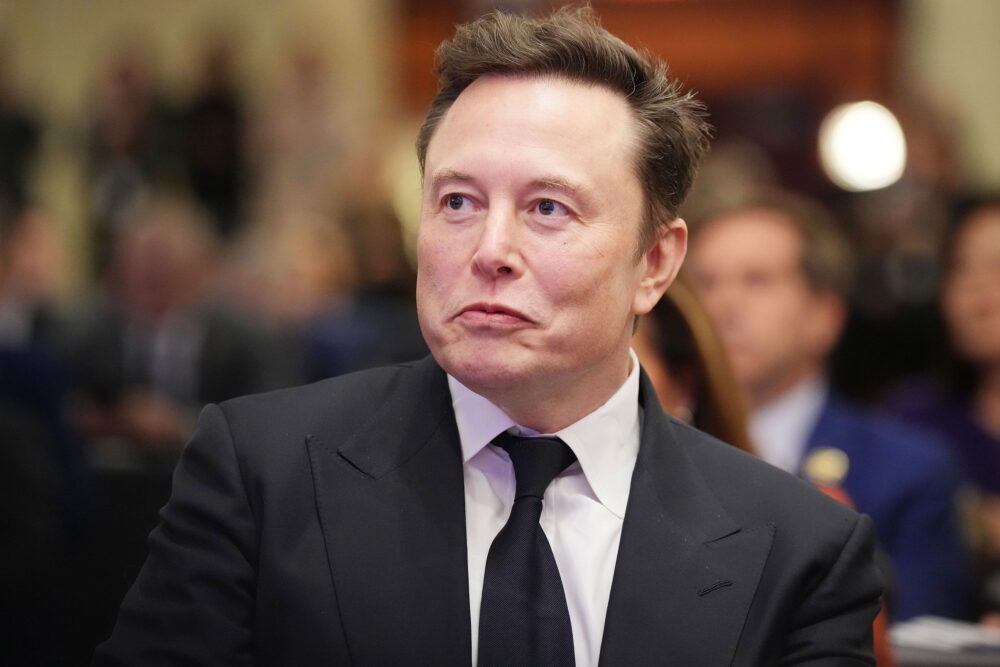
Elon Musk defends the H-1B visa, saying US growth depends on Indian talent, even as President Trump’s administration tightens program oversight.
Elon Musk has praised the contribution of Indian professionals to the United States, arguing that the country’s long-term economic strength depends on continued access to highly skilled foreign talent. Speaking in a podcast released on Sunday November 30, 2025, the Tesla and SpaceX chief defended the H-1B visa system while acknowledging the need for reforms to curb misuse.
In a conversation on Zerodha co-founder Nikhil Kamath’s “WTF is?” podcast, Musk said the US has “benefited immensely” from Indian immigrants, many of whom work in technical fields that American companies struggle to fill. He described a persistent shortage of specialized engineers and researchers, noting that his own companies face ongoing recruitment challenges.
“America has been an immense beneficiary of talent from India,” Musk said. He argued that shutting down or drastically reducing the H-1B program would weaken the country’s innovation capacity at a time when global competition is increasing.
Although the H-1B system has been a target of political debate, Musk insisted that problems within the program stem from loopholes exploited by certain outsourcing firms rather than by legitimate applicants. He urged policymakers to “stop the gaming of the system” instead of dismantling a visa category he believes is central to US competitiveness.
Read Also: Elon Musk: Predicts AI And Robotics Will Make Money Obsolete
Musk also touched on the broader immigration debate, criticizing what he described as inadequate border controls under the previous administration. He argued that weak enforcement encouraged illegal migration and created what he called “a negative selection effect.” Effective border security, he said, remains essential for maintaining public trust in legal immigration pathways.
His comments arrive at a sensitive moment for the H-1B program under President Donald Trump’s second term. The administration has adopted a tougher regulatory approach while publicly recognizing the economic need for skilled foreign workers. The H-1B visa, introduced in 1990, allows US companies to hire professionals in specialized occupations, with Congress capping annual allocations at 65,000. Indians remain the largest beneficiaries, receiving 71% of approvals in 2024.
The Trump administration is moving to tighten oversight further. A $100,000 fee for new H-1B petitions will take effect next September 2025, and the Department of Homeland Security is preparing new rules aimed at closing compliance gaps and increasing scrutiny of third-party work arrangements.
Despite heightened enforcement, President Trump has repeatedly defended the program’s role in supporting major investments and addressing workforce shortages. As he noted in a recent interview, economic growth cannot be sustained without access to high-level global talent.