
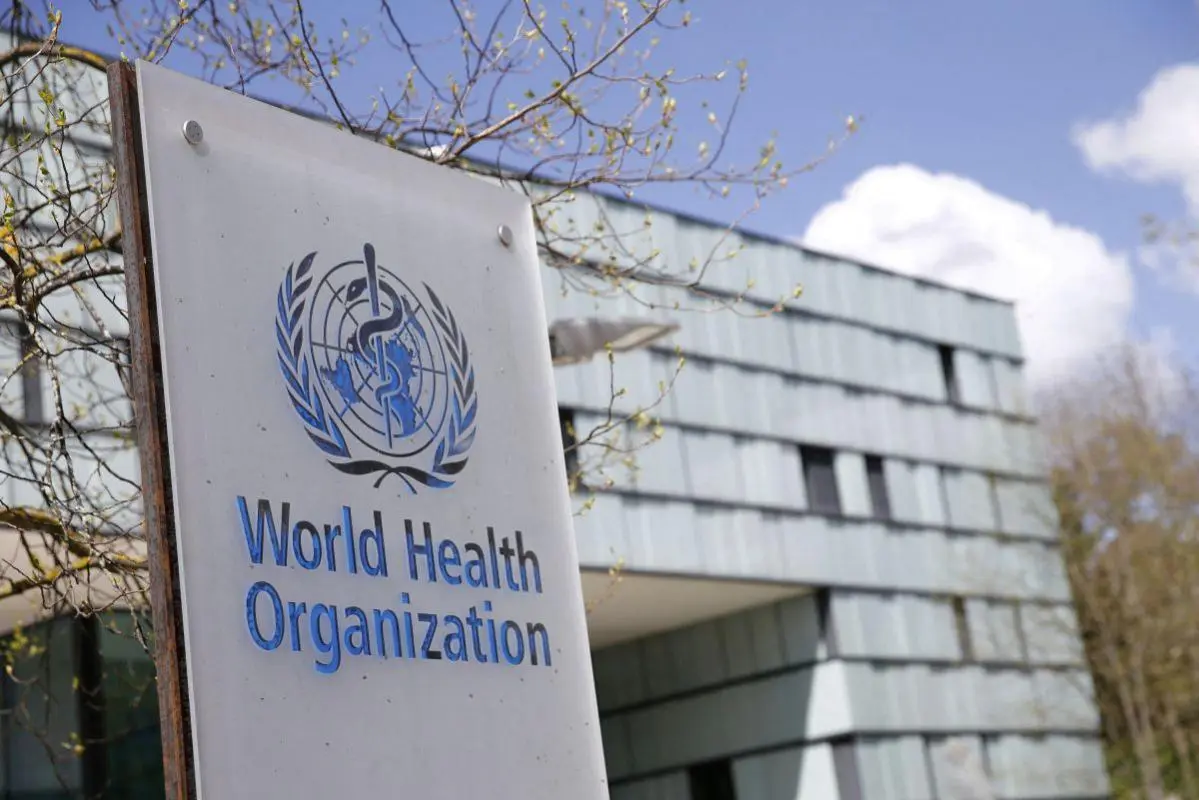
The United States formally withdrew from the World Health Organization on Thursday, a move that has drawn sharp warnings from global health experts who say the decision could damage both domestic health security and international disease response efforts. The exit also raises legal questions at home, as U.S. law requires the government to settle outstanding financial obligations, estimated at about $260 million, and provide a full year’s notice before leaving the U.N. health agency.
President Donald Trump initiated the withdrawal process on the first day of his return to office in 2025, signing an executive order that revived his long-standing criticism of the WHO. While the administration maintains that it has met the procedural requirement of notice, it has not cleared the unpaid membership fees for 2024 and 2025. A spokesperson for the U.S. State Department defended the decision, arguing that the WHO failed to adequately contain, manage, and share critical health information in past crises, failures the administration says cost the United States trillions of dollars. According to the spokesperson, Washington has already contributed more than enough and has therefore frozen any future transfer of funds, support, or resources to the agency.
Health leaders around the world have repeatedly called on Washington to reverse course. Earlier this month, WHO Director General Tedros Adhanom Ghebreyesus publicly appealed to the United States to reconsider, warning that the withdrawal weakens not only the organization but also America’s own health defenses. He described the decision as a loss for both sides, emphasizing the WHO’s role in coordinating responses to global health threats that do not respect borders.
The organization has confirmed that the unpaid U.S. contributions remain outstanding and said member states will address the implications of the American departure at the WHO executive board meeting scheduled for February. Legal scholars have also weighed in, noting that the failure to settle dues before exiting runs counter to U.S. law, although enforcement appears unlikely. Lawrence Gostin of Georgetown University’s O’Neill Institute for Global Health Law has described the situation as a clear legal breach, but one the administration is likely to sidestep without consequence.
Read also: BREAKING: Trump Leads Signing Of ‘Board Of Peace’ Charter
Speaking on the sidelines of the World Economic Forum in Davos, Bill Gates expressed pessimism about a near term reversal. While he said he would continue to advocate for U.S. engagement when possible, he acknowledged that a return to the WHO does not appear imminent, stressing that global health still depends heavily on the institution.
For the WHO, the loss of its largest single donor has triggered a severe financial shock. The United States has historically provided roughly 18 percent of the agency’s funding. In response, the organization has halved its management structure, reduced programs, and announced plans to cut about a quarter of its workforce by midyear. Although the WHO says it continued to share information with U.S. officials over the past year, how that cooperation will function going forward remains uncertain. Experts warn that the breakdown risks leaving gaps in surveillance, coordination, and rapid response that could ultimately harm both Americans and the wider world.