
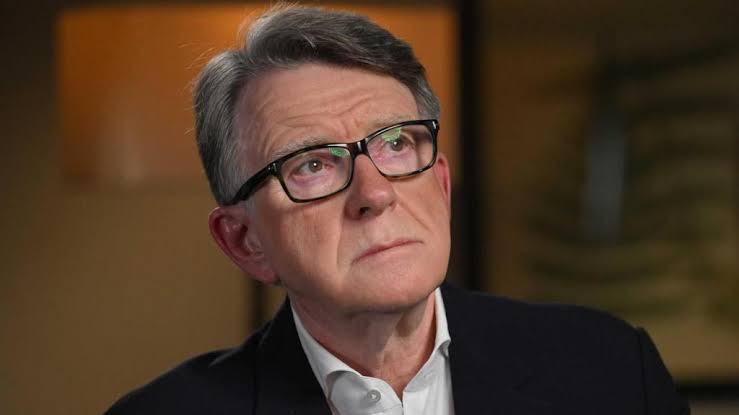
Peter Mandelson, the United Kingdom’s former ambassador to the United States and one of the most influential figures in modern Labour Party history, has resigned from the party following renewed scrutiny of his past links to the late financier and convicted sex offender Jeffrey Epstein. The decision, reported by several British media outlets on Sunday, comes amid the release of new documents by US authorities that have reignited controversy around Epstein’s network of high profile associates.
Mandelson, a close ally of Prime Minister Keir Starmer and a central architect of the New Labour project under Tony Blair, said he stepped down to prevent further embarrassment to the governing party. His resignation follows weeks of mounting pressure after previously undisclosed emails, photographs, and financial records were made public as part of a broader disclosure by the US Department of Justice.
In a letter reported by the BBC and The Guardian, Mandelson acknowledged the public reaction to the latest revelations and expressed regret for his past association with Epstein. He said that while he disputes claims that he received payments from Epstein in the early 2000s, the renewed attention surrounding the issue had become a distraction for Labour at a sensitive political moment.
“I have been further linked this weekend to the understandable furore surrounding Jeffrey Epstein and I feel regretful and sorry about this,” Mandelson wrote. He added that he had no recollection of the alleged payments and did not know whether the documents circulating were genuine, but said he intended to investigate the matter thoroughly.
Mandelson also reiterated that he regretted ever having known Epstein, a sentiment he has expressed publicly before. In interviews with the BBC, he said the association was a mistake and stressed that he had no knowledge of Epstein’s criminal activities at the time. He maintained that he had never been involved in, nor aware of, any abuse.
The former ambassador’s resignation comes against the backdrop of reports by the Financial Times and the BBC that documents appear to show Mandelson and his partner received payments totalling about $75,000 from Epstein in 2003 and 2004. These records were included in investigative files released by the US Department of Justice on Friday, part of a wider effort to make public material connected to Epstein’s finances and relationships.
Among the newly released materials is an image showing Mandelson standing in his underwear next to a woman whose face was obscured by US authorities. Mandelson told the BBC he could not identify the location or recall the circumstances under which the photograph was taken, adding that he did not recognise the woman in the image.
Emails contained in the same batch of documents have also drawn attention. In one exchange from 2009, Mandelson, then serving as the UK’s business secretary, appears to have discussed government policy with Epstein, specifically efforts to soften a proposed tax on bankers’ bonuses introduced after the global financial crisis. According to reports by The Telegraph and the Financial Times, Mandelson suggested that JPMorgan chief executive Jamie Dimon should apply pressure on the UK chancellor over the issue.
Mandelson has not denied the authenticity of the emails but has played down their significance, arguing that the discussions did not influence policy and reflected informal conversations rather than official lobbying. Still, the revelations have raised questions about judgment, access, and the appropriateness of maintaining contact with Epstein after his earlier conviction in the United States.
Read also: Ex-Harvard Chief Summers Issues Apology Over Epstein Emails
His decision to resign from Labour membership is also notable given his long and complex relationship with the party. Mandelson has been a towering figure in Labour politics for decades, serving in multiple cabinet roles and helping to modernise the party’s image in the 1990s. He returned to frontline diplomacy in recent years, appointed as ambassador to Washington, a role he vacated last year after earlier disclosures about his Epstein links emerged.
In his resignation letter, Mandelson said he believed stepping aside was the best way to protect Labour from further controversy. “While doing this I do not wish to cause further embarrassment to the Labour Party and I am therefore stepping down from membership of the party,” he wrote. He also offered an apology to victims of Epstein’s abuse, acknowledging that their voices should have been taken seriously much earlier.
“I want to take this opportunity to repeat my apology to the women and girls whose voices should have been heard long before now,” he said, adding that he had dedicated his life to Labour’s values and believed his decision was in the party’s best interests.
The Labour Party has not issued a detailed public statement on Mandelson’s resignation, but sources quoted by UK media suggest party leaders were keen to draw a line under the issue as they focus on governing priorities and maintaining public trust.
The Epstein files have continued to cast a long shadow over political, business, and cultural elites on both sides of the Atlantic. Numerous prominent figures are named in the documents, although inclusion does not imply wrongdoing, and many of those mentioned have denied any knowledge of Epstein’s crimes. US authorities have repeatedly stressed that the release of names and materials is intended to provide transparency rather than assign guilt.
For Mandelson, however, the cumulative effect of the revelations has proven politically untenable. His resignation marks a significant and symbolic end to a long association with the Labour Party, closing a chapter on a career that has shaped British politics for a generation but is now inseparably linked to one of the most disturbing scandals of recent times.