
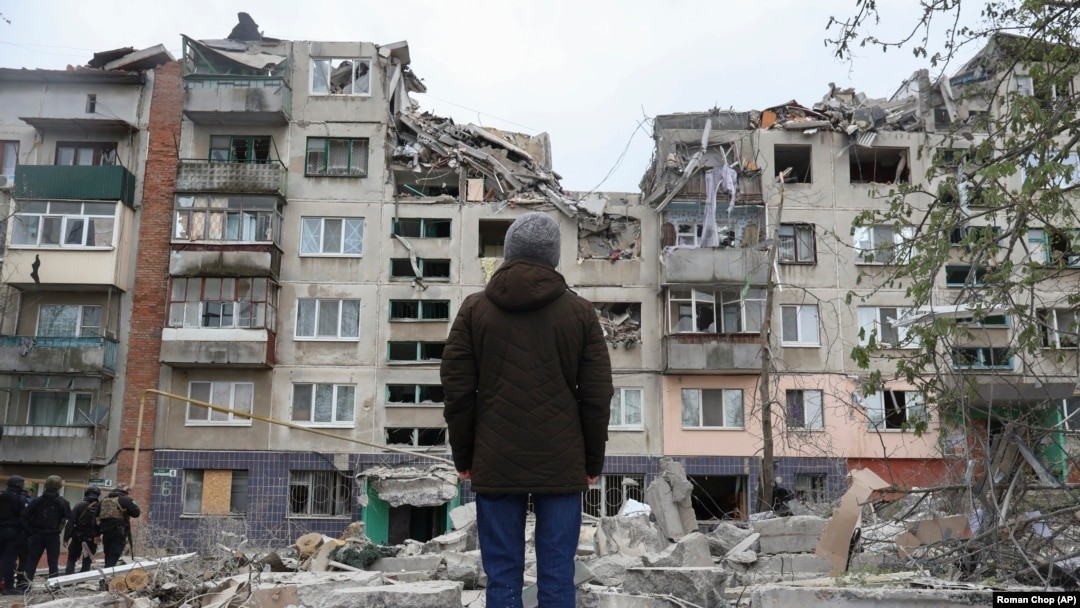
Ukrainian forces have recaptured nearly all of the Dnipropetrovsk industrial region’s occupied territory in a counteroffensive that drove Russian troops from more than 400 square kilometres of southeastern Ukraine, even as Russian glide bombs killed four civilians in Sloviansk and the US-brokered peace process remained frozen, sidelined by Washington’s preoccupation with the eleventh day of the Iran war.
Major General Oleksandr Komarenko confirmed the territorial gains in an interview with RBC-Ukraine on Tuesday, saying forces had retaken “almost the entire Dnipropetrovsk region” in recent weeks. The recapture followed a period in which Russian forces had pushed into Dnipropetrovsk from the Pokrovsk direction, creating alarm that Russia’s advance could reach the Dnieper River.
The heaviest fighting continued near Pokrovsk in eastern Ukraine and Oleksandrivka in the south, where Russian forces had concentrated their main effort. Komarenko described the overall front line situation as “difficult but under control.” There was no independent verification of his battlefield assessment.
The Institute for the Study of War said on Monday that recent Ukrainian counterattacks were “generating tactical, operational and strategic effects that may disrupt Russia’s spring-summer 2026 offensive campaign plan.” As of March 2026, Russian troops occupy roughly 20 percent of Ukraine’s territory. The ISW assessment — if accurate — would represent the most significant disruption to Russian operational planning since Ukraine’s 2022 Kharkiv counteroffensive, which unravelled Russian positions across the northeast in a matter of days. Moscow’s forces had concentrated fighting around the logistical hub of Kostiantynivka, which they entered in December, in a bid to gain control of Kramatorsk and Sloviansk — the last major cities under Ukrainian control in Donetsk. The Dnipropetrovsk counteroffensive, if it held, complicated that objective by threatening Russia’s southern flank.
Three powerful glide bombs struck the center of Sloviansk, killing four people and wounding at least 16 others including a 14-year-old girl, according to the head of the Donetsk regional military administration, Vadym Filashkin.
Overnight drone strikes on three other Ukrainian cities wounded at least 17 people, including two children. Ukraine’s air force said it shot down 122 out of 137 Russian drones launched during the night. Russia suffered approximately 950 soldiers killed or wounded in the past 24 hours, bringing its estimated total casualties since February 24, 2022 to approximately 1,274,990, according to Ukraine’s armed forces. Russia’s defense ministry did not comment on those figures.
Read Also: Ukraine War Enters New Phase With Armed Ground Robots
The diplomatic track remained effectively frozen. The Office of the President of Ukraine did not confirm reports that talks between Ukrainian, US, and Russian delegations could take place in Istanbul on March 11. The Trump administration’s envoys Steve Witkoff and Jared Kushner had facilitated three rounds of trilateral talks since late January — in Abu Dhabi, Geneva, and Riyadh — without producing a framework agreement. Russia was demanding control of the entire Donbas region and a permanent ban on NATO membership for Ukraine. Ukraine had ruled out ceding any territory. With Trump personally focused on the Iran war and the White House’s diplomatic bandwidth consumed by Hormuz, oil prices, and the Mojtaba Khamenei succession, Ukraine’s negotiating window had effectively closed for an indefinite period.
The Kremlin was watching the Iran war’s financial and political dynamics with undisguised calculation. Putin’s foreign affairs adviser Yuri Ushakov said after a Monday phone call between Putin and Trump that Russian forces were “advancing rather successfully” in Ukraine, and that progress should “encourage” Kyiv to “move toward a negotiated settlement.” Ushakov did not mention the Iran war, but the geopolitical logic was explicit in the background briefings Russian officials were giving: higher oil prices were filling Kremlin coffers at a pace not seen since before the 2022 invasion, Western arsenals were being drained by Middle East deployments, and global diplomatic attention had entirely vacated Kyiv in favor of Tehran.
Read Also: Russia Kills Seven in Kharkiv, Ukraine Residential Block
Russia’s per-barrel export earnings rose from approximately $55 in late February to over $72 following Trump’s partial sanctions waiver for Russian crude, providing Moscow with a revenue windfall that partially offset the costs of its military campaign.
Zelenskyy was pursuing a counterstrategy that leveraged Ukraine’s comparative advantage in drone warfare. Ukraine had been supplying drone technology and operational training to Gulf states for the defense against Iranian attacks, and Kyiv was seeking to convert that contribution into tangible diplomatic pressure on Washington and Brussels to maintain — and increase — military support for Ukraine.
Specifically, Zelenskyy wanted advanced American-made air defense missiles to counter Russia’s ongoing aerial campaign, which had included the deployment of Oreshnik hypersonic ballistic missiles against civilian infrastructure in three major Ukrainian cities since January. Whether the drone-for-missiles exchange would produce results before the Iran war’s outcome reconfigured the entire global security architecture was the central strategic uncertainty facing Kyiv’s government in the spring of 2026.