
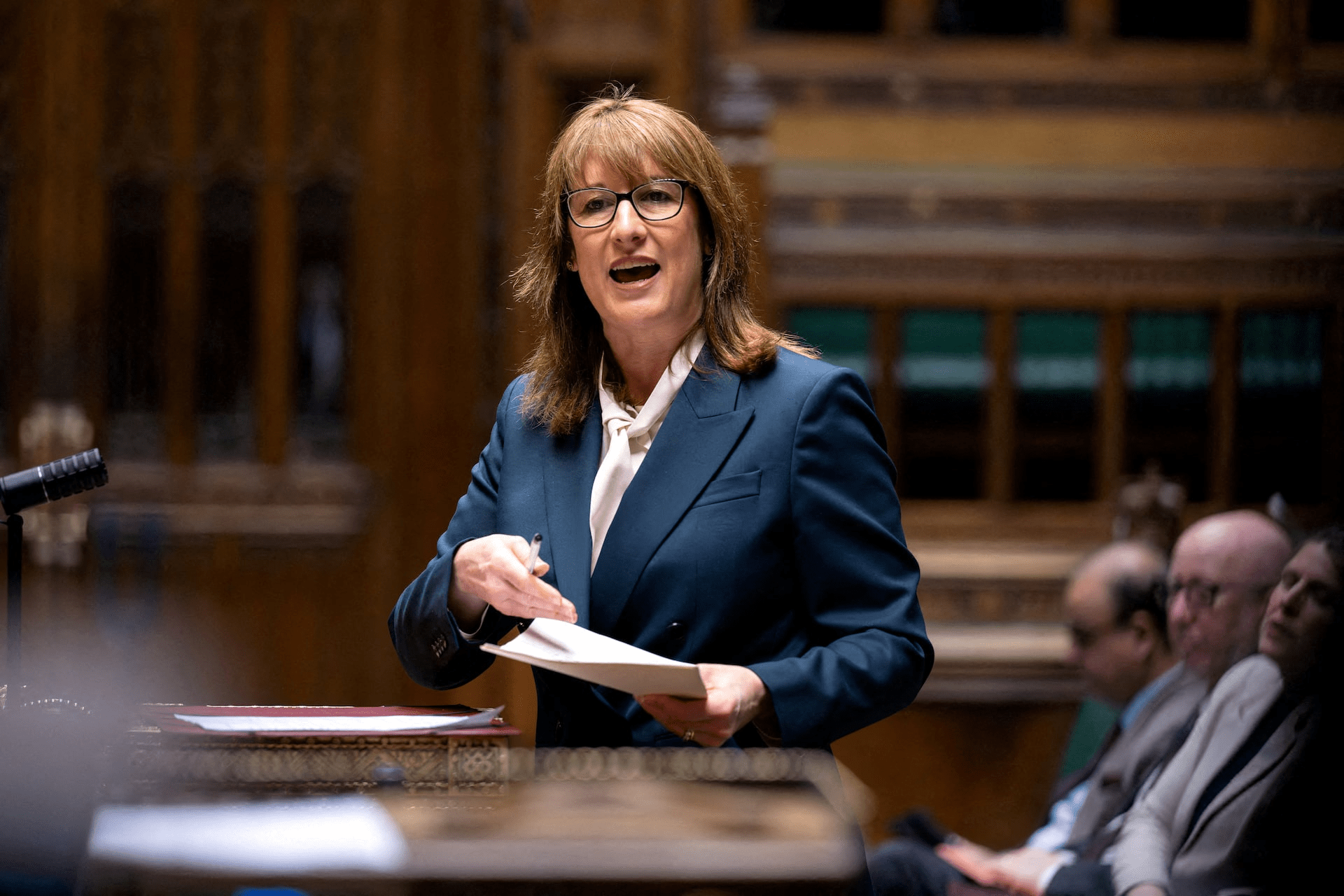
Britain’s chancellor will use a rare joint session of G7 finance ministers, energy ministers and central bank governors on Monday to push back against the protectionist instincts that the Iran war has been quietly encouraging among major economies, arguing that countries retreating behind new trade barriers would compound an energy crisis that only coordinated action can resolve.
Rachel Reeves will tell her counterparts that the G7 “must collaborate, rather than taking actions that increase pressure on partners or diminish shared resilience” — language aimed squarely at the temptation, visible across multiple economies, to secure national energy supply chains at the expense of the collective frameworks that keep global commerce functioning. Fresh trade barriers, Reeves intends to argue, would disrupt the supply chains and drive up the costs that the G7 is simultaneously trying to bring down.
The meeting’s format — convening finance ministers alongside energy ministers and central bank governors in a single session — reflects the degree to which the Iran war has collapsed the usual distinctions between economic policy, energy security and monetary management into a single interlocking emergency. Decisions made in each domain are now immediately felt in the others, and the normal practice of handling them in separate ministerial tracks has become inadequate to the speed and scale of the disruption.
Read also: Australia Slashes Fuel Tax In Half As Energy Crisis Worsens
Britain is watching the war’s economic consequences with particular alarm, and from a position of particular vulnerability. The country depends heavily on imported natural gas, carries inflation that has remained stubbornly elevated, and is managing public finances already stretched before oil prices breached $110 a barrel. British government bonds have fallen more sharply than those of most G7 peers — a market signal that investors regard the UK’s exposure to the current disruption as above average and its fiscal room to absorb it as below average. Prime Minister Keir Starmer convened an emergency meeting on the war’s economic impact on March 23, bringing together Reeves and Bank of England Governor Andrew Bailey to assess what the country was facing. Monday’s G7 session is the multilateral extension of that domestic reckoning.
The conflict that the US and Israel launched against Iran on February 28 has, over five weeks, produced what energy analysts are describing as the most severe disruption to global energy supplies in recorded history. The Strait of Hormuz — through which roughly a fifth of the world’s oil and liquefied natural gas normally flows — has been effectively closed to most commercial shipping under Iranian interdiction. Gulf energy infrastructure has been struck repeatedly. Iran has threatened to target the energy and water systems of neighbouring states if the US follows through on threats to attack Iran’s electricity grid. Investors entering the week are braced for continued market turbulence as each new escalation reprices risk across asset classes that had already moved dramatically since the war began.
The protectionism Reeves wants to head off is not primarily ideological — it is the pragmatic self-protection of governments under acute domestic pressure. When fuel is scarce and expensive, the political logic of securing national supply by restricting exports, blocking competing imports or striking bilateral deals that disadvantage partners becomes difficult to resist. The problem is that every country acting on that logic simultaneously destroys the cooperative infrastructure that makes global energy markets function at all. A world in which seven major economies are each pulling supply toward themselves rather than managing it collectively is a world in which the disruption deepens rather than eases.
Read more: Iranian Speaker: Our Forces Ready To Torch US Troops
Reeves’ argument is that the mathematics of collaboration are more favourable than the politics of unilateralism, even under pressure. The G7’s coordinated release of strategic oil reserves — the largest in the International Energy Agency’s history — demonstrated what collective action can produce. The question Monday’s meeting will need to answer is whether that spirit of coordination can hold as the war extends into its second month with no credible ceasefire in sight and domestic political pressures in every G7 capital intensifying.
Britain’s position as a country simultaneously urging cooperation and managing a sharper bond market deterioration than its peers gives Reeves’ message an edge of genuine urgency. She is not delivering an abstract principle from a position of comfort. She is making an argument her own country needs other countries to accept.